
Is your toilet water supply not working when you need it most? It’s frustrating, inconvenient, and can quickly turn your day upside down.
You might be wondering why your toilet isn’t filling up or why water isn’t flowing as it should. Don’t worry—you’re not alone, and the solution is often simpler than you think. Keep reading, and you’ll discover easy steps to identify the problem and fix your toilet water supply fast.
Say goodbye to those annoying bathroom hassles for good!
Common Causes Of Toilet Water Supply Issues
Toilet water supply issues can stop your toilet from working properly. These problems often cause frustration and inconvenience. Understanding the common causes helps fix the issue faster. Most toilet water supply problems come from simple, fixable parts.
Shutoff Valve Problems
The shutoff valve controls water flow to the toilet. If it is stuck or closed, water cannot reach the tank. Sometimes, the valve leaks or wears out. Turning the valve gently can help. Replace the valve if it is broken or old.
Clogged Supply Line
The supply line carries water from the valve to the toilet. Dirt, rust, or minerals can block this line. A clogged line reduces or stops water flow. Flushing the line or replacing it can clear the blockage. Check the line regularly to avoid buildup.
Faulty Fill Valve
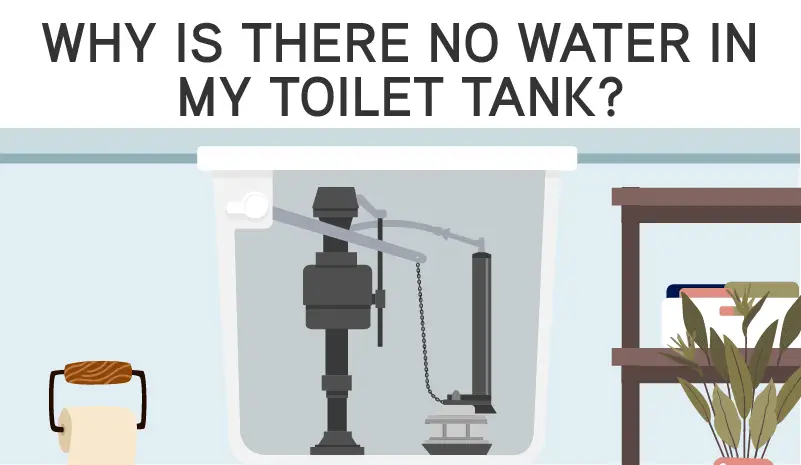
The fill valve refills the toilet tank after flushing. A faulty valve may stop water from entering the tank. It can cause the tank to stay empty or overfill. Replacing the fill valve usually solves this problem. Test the valve to ensure it works well.
Water Pressure Issues
Low water pressure can reduce water supply to the toilet. It causes slow filling or no water at all. Pressure problems may come from the main water line or plumbing system. A plumber can check and fix pressure issues. Proper pressure keeps the toilet working smoothly.

Credit: www.youtube.com
Tools And Materials Needed For Repairs
Fixing a toilet water supply issue requires the right tools and materials. Having these ready makes the repair easier and faster. It also helps avoid mistakes and extra trips to the store. This section lists what you need before starting the job.
Basic Plumbing Tools
A few simple tools help with most toilet water supply repairs. An adjustable wrench fits nuts and bolts of different sizes. A pair of pliers helps grip and turn small parts. A screwdriver is needed to remove or tighten screws. Teflon tape seals pipe threads to stop leaks. A bucket catches water during repairs to keep the floor dry.
Replacement Parts
Toilets use specific parts that may wear out or break. A new fill valve controls the water flow into the tank. A replacement flapper stops water from leaking into the bowl. Supply lines connect the water pipe to the toilet tank. Shut-off valves allow water to be turned off for repairs. Have these parts on hand to replace faulty ones quickly.
Safety Equipment
Safety is important during plumbing work. Gloves protect your hands from dirt and sharp edges. Safety glasses keep water or debris out of your eyes. Old towels or rags can absorb spills and prevent slipping. Proper safety gear keeps you safe and comfortable while fixing the toilet.
Quick Fixes For Shutoff Valve Problems
The shutoff valve controls water flow to the toilet. If it stops working, the toilet won’t fill. Fixing valve problems can save time and money. Many issues are easy to fix with simple tools. Start by finding the valve and checking its condition.
Some valves just need cleaning, while others require replacement. Knowing how to test and fix the valve keeps your bathroom running smoothly. Follow these steps to solve common shutoff valve problems quickly.
Locating And Testing The Valve
The shutoff valve is usually behind or near the toilet base. It connects the water supply line to the toilet tank. Turn the valve handle clockwise to close it. If the valve won’t turn, it might be stuck or broken.
After closing, flush the toilet. If water stops filling the tank, the valve works. If water still flows, the valve may leak or fail. Test the valve by turning it on and off several times. This helps check for smooth operation and leaks.
Cleaning Or Replacing The Valve
Dirt and mineral deposits can block the valve. Turn off the main water supply before cleaning. Remove the valve handle carefully. Use a cloth and vinegar to clean inside the valve. Vinegar dissolves mineral buildup gently.
If cleaning does not fix the problem, replace the valve. Choose a valve that fits your toilet’s water line. Turn off the main water supply, then unscrew the old valve. Install the new valve by tightening it firmly but not too tight. Test the new valve by turning it on and off.

Credit: www.ifixit.com
Clearing A Clogged Supply Line
A clogged toilet water supply line can stop water from reaching your toilet tank. Clearing this blockage often restores normal flow. The process involves finding the clog, flushing out debris, and sometimes scrubbing the inside of the line.
This section explains how to clear a clogged supply line safely and effectively.
Identifying Blockages
First, check the shut-off valve near the toilet. Make sure it is fully open. Next, disconnect the supply line from the valve. Look inside for visible dirt or buildup. Blockages often occur near the valve or the toilet connection. If water drips slowly or not at all, a clog is likely present.
Flushing The Line
Try flushing the supply line with water. Use a bucket to pour water through the disconnected line. This can push out small debris. Repeat until water runs clear and flows easily. Flushing helps remove loose particles blocking the flow.
Using A Wire Or Brush
If flushing fails, use a thin wire or a small brush. Carefully insert it into the supply line. Gently move it back and forth to break up clogs. Avoid forcing the tool too hard to prevent damage. After loosening debris, flush the line again with water.
Repairing Or Replacing The Fill Valve
The fill valve controls water flow into the toilet tank. It refills the tank after each flush. Problems with the fill valve can stop the toilet from refilling properly. Repairing or replacing the fill valve can fix this issue quickly. Understanding how to diagnose and replace the fill valve helps save time and money.
Diagnosing Fill Valve Issues
Check if the tank refills slowly or not at all. Listen for unusual noises during filling. Look for water leaking inside the tank. Inspect the fill valve for cracks or wear. Test the float to see if it moves freely. A stuck or damaged fill valve often causes water supply problems.
Step-by-step Replacement Guide
Turn off the water supply to the toilet. Flush the toilet to empty the tank. Use a sponge to soak up leftover water. Disconnect the water supply line from the fill valve. Remove the old fill valve by loosening the lock nut. Insert the new fill valve into the tank. Tighten the lock nut by hand, then use a wrench. Reconnect the water supply line securely. Adjust the float to the correct water level. Turn on the water supply and check for leaks. Test the toilet by flushing a few times.
Credit: www.mrrooter.com
Addressing Water Pressure Problems
Water pressure issues often cause a toilet water supply to stop working properly. Low or inconsistent pressure can prevent the toilet from filling or flushing as it should. Fixing these problems starts with understanding the pressure in your home’s water system. Simple checks and adjustments can restore proper water flow to your toilet.
Checking Home Water Pressure
Begin by measuring your home’s water pressure. You can buy a pressure gauge at most hardware stores. Attach the gauge to an outdoor faucet or a laundry tub faucet. Turn on the water fully and note the reading on the gauge. Ideal water pressure usually falls between 40 and 60 psi. Lower numbers may cause weak toilet performance. Higher numbers could damage pipes or fixtures.
If the pressure is too low, check for leaks or closed valves. Sometimes, a main water valve might be partly closed. Make sure all valves near your water meter and supply lines are open fully. Also, check if your home shares a water source that might have restrictions or issues.
Adjusting Pressure Regulators
Many homes have a pressure regulator to control water pressure. This device keeps pressure steady to protect plumbing. Find the pressure regulator near the main water shutoff valve. It usually looks like a bell-shaped valve with an adjustment screw. Use a wrench to turn the screw gently. Turning clockwise increases pressure. Turning counterclockwise lowers pressure.
Adjust in small steps and recheck the pressure after each turn. Avoid setting pressure too high to prevent damage. If unsure, call a plumber for help. Properly set pressure helps your toilet fill quickly and flush fully. It also prevents water noise and pipe wear.
Preventing Future Toilet Water Supply Issues
Preventing future toilet water supply issues helps avoid costly repairs and inconvenience. Simple steps keep your toilet working well. Regular care stops small problems from growing.
Regular Maintenance Tips
Check the water supply valve often. Make sure it opens and closes easily. Clean the valve to remove dirt or buildup. Inspect the supply line for leaks or cracks. Replace old or damaged parts quickly. Flush the toilet regularly to keep water flowing. Avoid flushing items that cause clogs. Tighten any loose connections to prevent leaks. Use a gentle cleaner to avoid damage.
When To Call A Professional
Call a plumber if you see persistent leaks. Strange noises or slow filling need expert help. If water supply stops completely, get help fast. Avoid fixing complex problems yourself. Professionals have tools and knowledge to fix issues safely. Early help prevents bigger damage and higher costs.
Frequently Asked Questions
Why Is My Toilet Water Supply Suddenly Not Working?
A blocked or broken valve often stops water flow to the toilet. Check the shut-off valve first.
How Do I Fix A Toilet Water Supply Line Leak?
Turn off the water, tighten loose connections, or replace damaged parts. Use a wrench carefully to avoid damage.
Can A Faulty Fill Valve Cause No Water In The Toilet?
Yes, a broken fill valve can stop water from entering the tank. Replacing the valve usually solves the problem.
What Causes A Toilet Water Supply To Stop After Installation?
Incorrect valve installation or kinked supply lines often cause water supply issues. Inspect connections and line positions carefully.
How Can I Tell If The Shut-off Valve Is The Problem?
If turning the valve does not stop or start water flow, it may be faulty. Valve replacement is often needed.
Is A Clogged Supply Line A Common Toilet Water Problem?
Yes, sediment or debris can block the supply line, stopping water flow. Flushing the line or replacing it can help.
What Tools Do I Need To Repair A Toilet Water Supply Issue?
A wrench, pliers, and a bucket are often enough for basic repairs. Always turn off water before starting work.
Conclusion
Fixing a toilet water supply problem is often simple and quick. Check the valve, hose, and tank for any issues first. Small blockages or loose parts can cause big troubles. Regular maintenance helps avoid future problems. Act fast to prevent water waste or damage.
Knowing basic steps saves money and stress. Stay calm and follow easy fixes step-by-step. Your toilet will work properly again soon. Keep this guide handy for any future troubles.