
Your wedding day is one of the most important moments of your life, and your dress should fit perfectly. But what if your dress feels too small?
Don’t panic. You’re not alone, and there are simple ways to fix it without stress or extra costs. You’ll discover easy, effective tips to make your wedding dress comfortable and flawless. Keep reading—you deserve to look and feel amazing on your big day.
Credit: www.vivatveritas.com
Assess The Fit Issues
Assessing the fit issues is the first step to fix a wedding dress that feels too small. This process helps you understand where the dress is tight and what changes are possible. Careful examination saves time and effort during alterations.
Identify Tight Areas
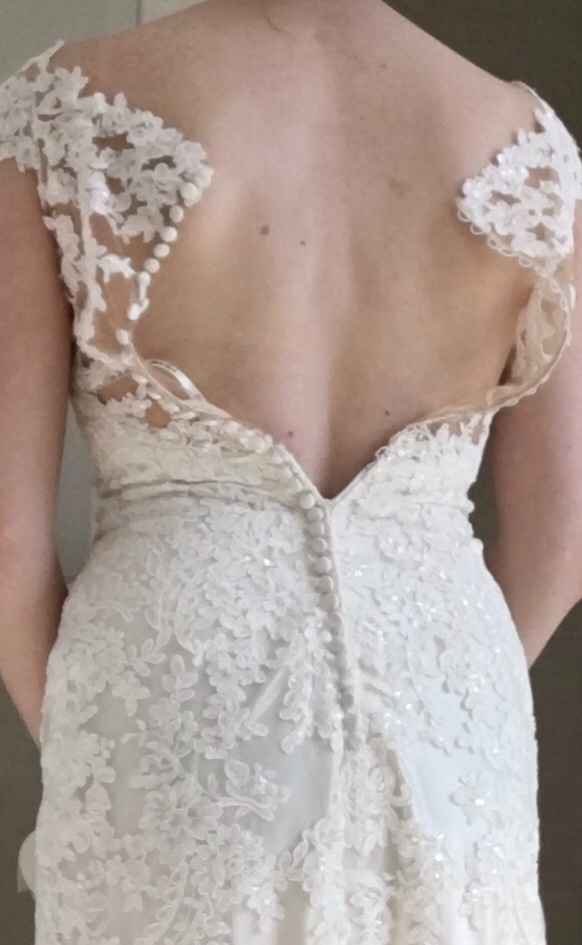
Start by putting on the dress and moving around slowly. Notice spots that feel tight or uncomfortable. Common tight areas include the bust, waist, hips, and shoulders. Mark these spots with pins or chalk. This visual guide helps tailors focus on specific sections.
Check Seam Allowances
Turn the dress inside out and examine the seams. Look for extra fabric along the seams, known as seam allowances. These allow the dress to be let out slightly. If the seam allowances are narrow or missing, the dress may need more complex alterations. Knowing the seam space guides your next steps.
Evaluate Fabric Type
Identify the fabric of your dress. Stretchy fabrics like jersey offer more flexibility. Stiff fabrics like satin or taffeta limit how much the dress can expand. Some fabrics are delicate and require careful handling. Understanding fabric type helps choose the best alteration method.
Credit: www.weddingwire.com
Simple Adjustments At Home
Fixing a wedding dress that feels too tight does not always need a tailor. Simple changes can give you more room and comfort. These adjustments work well at home with basic tools and little skill.
Making small fixes helps avoid stress before the big day. You can try these easy tricks to get a better fit and still look amazing.
Loosen Or Replace Zippers
Zippers can make a dress feel tight around your body. Loosening the zipper track or replacing it with a longer one can add inches. Use a seam ripper to take out the old zipper carefully. Then sew in a new zipper that lets you breathe easier. This change is quick and saves money.
Add Hidden Panels
Hidden panels add extra fabric without changing the dress’s look. Cut small slits along the seams where you need space. Sew in matching fabric panels inside those openings. Use lace or satin that matches your dress color. The panels blend in and add comfort. This method works best on side seams or back seams.
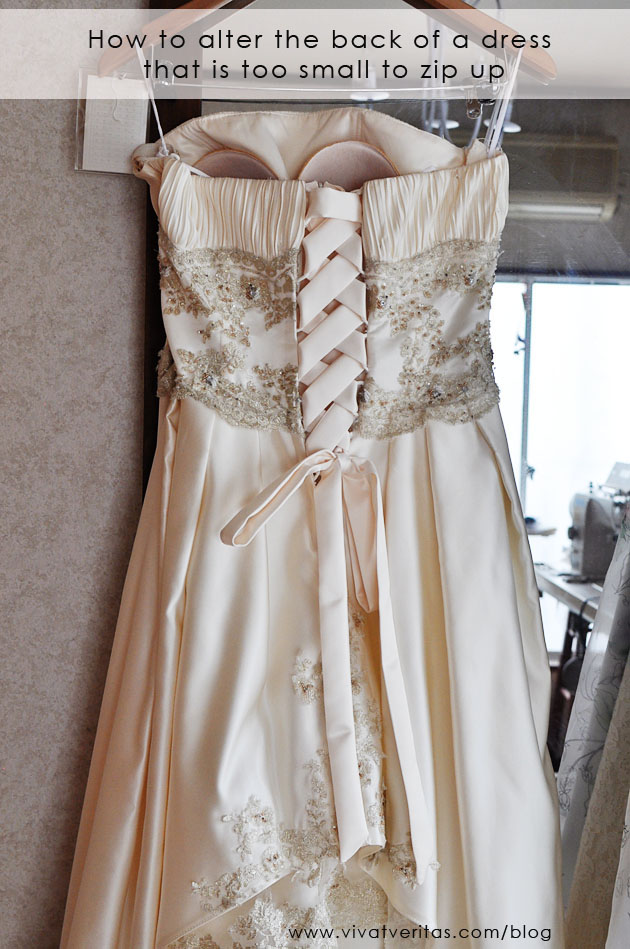
Use Corset Back Inserts
Corset back inserts replace zippers or buttons to add stretch. They come with laces you can tighten or loosen. Remove the zipper or buttons and sew in the corset panel. This lets you adjust the dress size anytime. Plus, it adds a pretty design feature to your gown.
Professional Alteration Options
Professional alteration options can help fix a wedding dress that is too small. Skilled tailors use different methods to adjust the dress. These techniques can make the dress fit comfortably and look beautiful. Choosing the right alteration depends on the dress style and how much size needs to be added.
Seam Letting Techniques
Seam letting is a common way to add size to a wedding dress. It means opening the seams and using the extra fabric inside. Most dresses have small allowances in the seams for this purpose. A tailor carefully lets out these seams to give more room. This method keeps the dress close to the original design.
Adding Fabric Gussets
Gussets are pieces of fabric added to the sides or back of the dress. They create extra space and allow more movement. Tailors choose fabric that matches the dress color and texture. Gussets work well when the dress has no seam allowance left. This option blends well if done by an expert.
Reshaping Bodice Or Skirt
Reshaping changes the dress’s shape to fit better. The bodice or skirt can be adjusted to add size. Tailors may add darts or panels to reshape these areas. This method improves comfort and appearance. It is useful for dresses with tight bodices or narrow skirts.
Credit: www.reddit.com
Temporary Fixes For Comfort
Wearing a wedding dress that feels too tight can be uncomfortable. Temporary fixes help ease the pressure. These quick solutions provide comfort without changing the dress permanently. They keep you relaxed and confident on your big day.
Use Breathable Undergarments
Choose undergarments made from soft, breathable fabrics. Cotton or moisture-wicking materials help reduce sweat and irritation. Avoid tight shapewear that adds extra pressure. Light, seamless undergarments create a smooth look and feel gentle on your skin.
Try Stretching Methods
Gently stretch the dress fabric to gain a little extra room. Use your hands to pull and soften stiff areas. For lace or delicate fabrics, steam carefully and stretch slightly while warm. Do not force the fabric, as it may tear. Small stretches can improve fit and comfort.
Emergency Sewing Hacks
Use safety pins to loosen tight areas quickly. Pin the sides or back to add a bit of space. Sew in a temporary fabric panel if you have time and skill. Use a needle and thread to create quick stitches for extra room. These hacks keep your dress wearable until a proper fix is possible.
Preventing Future Fit Problems
Preventing fit problems with your wedding dress saves time and stress. Small issues can grow into big ones if ignored. Taking steps early helps keep your dress comfortable and beautiful. Here are practical tips to avoid future fit troubles.
Schedule Early Fittings
Book your first fitting soon after buying your dress. Early fittings catch size changes before they become a problem. Multiple appointments give your seamstress time to adjust the dress. Your body might change closer to the wedding. Fittings help the dress fit perfectly on the big day.
Maintain Dress Condition
Keep your dress clean and stored properly. Dirt or wrinkles can affect how the dress fits. Use a breathable garment bag to protect it from dust. Avoid hanging the dress by thin straps to stop stretching. Handle the dress gently to prevent damage or misshaping.
Communicate With Seamstress
Tell your seamstress about any body changes or concerns. Share how the dress feels during fittings. Clear communication helps them make the right alterations. Ask questions if you don’t understand something. Good teamwork ensures your dress fits just right.
Frequently Asked Questions
How Can I Tell If My Wedding Dress Is Too Small?
Your dress feels tight around the chest, waist, or hips. You might struggle to zip or button it fully. Movement feels limited or uncomfortable.
Can A Wedding Dress Be Let Out If It’s Too Small?
Yes, many dresses can be let out if there is extra fabric in seams. A professional tailor can carefully open seams to add room. Not all dresses have enough fabric to let out, though.
What Are Quick Fixes For A Tight Wedding Dress?
Temporary fixes include using a corset back or loosening laces if available. You can also use a zipper extender or wear shapewear that smooths without squeezing. These work well if you have little time before the event.
Should I Avoid Losing Weight Before My Wedding Dress Fitting?
Losing weight right before the wedding can cause fit issues if the dress was already tight. It’s better to fit the dress closer to your current size. Tailors can then adjust for small changes.
Can A Seamstress Add Fabric To Make A Dress Bigger?
Adding fabric is possible but depends on dress style and fabric type. It’s easier with lace or tulle than satin or silk. This process can take time and may change the dress’s look slightly.
How Much Does It Cost To Alter A Small Wedding Dress?
Alteration costs vary, usually between $100 and $500. Simple let-outs cost less, while adding fabric or major changes cost more. Always get a quote before starting work.
Is It Safe To Alter A Vintage Or Delicate Wedding Dress?
Yes, but it requires a skilled seamstress experienced with vintage or delicate fabrics. Altering these dresses needs care to avoid damage. Show the dress to the tailor for advice.
What If My Dress Is Too Small In The Bust Area?
A tailor can add gussets or lace panels to increase bust size. Stretch fabrics might be replaced or adjusted for comfort. These changes help avoid stress on seams and buttons.
Can Shapewear Help If My Wedding Dress Is Slightly Small?
Wearing smooth, well-fitting shapewear can create a slimmer silhouette. It helps smooth lumps and provides support without adding bulk. Choose breathable, comfortable shapewear for long wear.
When Should I Schedule Wedding Dress Alterations?
Start alterations 6 to 8 weeks before the wedding date. This allows time for multiple fittings and adjustments. Don’t wait too long to avoid last-minute stress.
Conclusion
Fixing a wedding dress that is too small takes patience and care. Small changes can make a big difference. You can try simple adjustments like loosening seams or adding panels. Always check the fit often to avoid mistakes. If unsure, ask a professional tailor for help.
Remember, a comfortable dress helps you enjoy your special day more. Take your time and focus on what feels right. Your perfect fit is possible with some effort and patience.