
Is your sliding glass door sticking and making it hard to open or close? You’re not alone, and the good news is that you don’t need to call a pro right away.
With a few simple steps, you can fix your door and get it sliding smoothly again. Imagine how much easier your daily routine will be without the frustration of a stubborn door. Keep reading, and you’ll learn exactly what to do to solve this common problem quickly and easily.
Common Causes Of Sliding Door Sticking
Sliding glass doors can stick for several reasons. Understanding these causes helps fix the problem quickly. Some issues are easy to spot. Others need a closer look. Knowing the common causes makes repair simpler and saves time.
Dirt And Debris Buildup
Dirt and debris often collect in door tracks. Dust, leaves, and small stones block smooth movement. The buildup makes the door hard to slide. Regular cleaning clears the path for easy use.
Damaged Or Worn Rollers
Rollers allow the door to glide smoothly. Over time, they wear out or break. Damaged rollers cause the door to stick or catch. Checking and replacing them keeps the door moving freely.
Misaligned Door Tracks
Tracks can shift due to weather or heavy use. Misalignment stops the door from sliding properly. The door may jam or drag on one side. Realigning tracks restores smooth operation.
Swollen Door Frame
Wooden frames can swell from moisture or humidity. A swollen frame squeezes the door, causing sticking. Drying or sanding the frame helps the door fit right again.
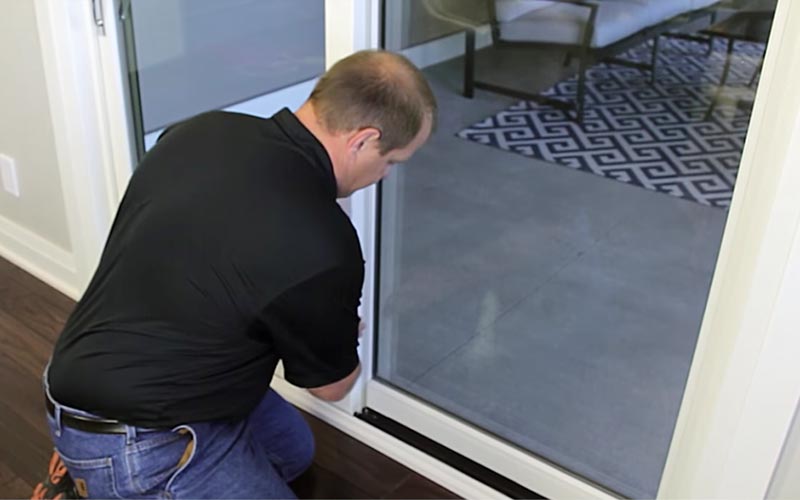
Broken Weatherstripping
Weatherstripping seals the door edges. Broken strips can catch or block movement. Damaged weatherstripping needs replacing to allow smooth sliding and protect from drafts.
Credit: www.windsorwindows.com
Tools And Materials Needed
Fixing a sliding glass door that sticks requires the right tools and materials. Having these ready makes the job easier and faster. This section covers everything you need before starting the repair.
Basic Tool Kit
A basic tool kit includes screwdrivers, pliers, and a hammer. These tools help remove screws and adjust door parts. A tape measure is useful to check door alignment. A utility knife can cut any old sealant or debris blocking the track.
Cleaning Supplies
Cleaning supplies are essential for removing dirt and grime. Use a stiff brush to clean the door track. A bucket of warm, soapy water helps loosen stubborn dirt. Rags or paper towels dry the area after cleaning. This step prevents future sticking and allows smooth sliding.
Lubricants And Sealants
Lubricants reduce friction between moving parts. Silicone spray or a dry lubricant works best on sliding door tracks. Avoid oil-based lubricants that attract dust. Sealants like weatherstripping help keep the door sealed. Replacing old sealant improves door function and energy efficiency.
Replacement Parts
Sometimes parts wear out and need replacing. Common parts include rollers, tracks, and seals. Check the door for damaged or broken pieces. Having replacements on hand saves time. These parts restore smooth movement and prevent sticking.
Cleaning The Door And Track
Cleaning the sliding glass door and its track is key to fixing a door that sticks. Dirt, dust, and small debris build up in the track. This buildup stops the door from sliding smoothly. Regular cleaning clears the way for easy movement. It also helps prevent damage to the door parts.
Removing Dirt And Debris
Start by removing loose dirt and debris from the track. Use a small brush or a vacuum cleaner with a narrow nozzle. Focus on corners and edges where dirt collects. Wipe the track with a dry cloth to pick up leftover dust. Avoid using water at this stage to prevent mud from forming.
Deep Cleaning Techniques
Next, deep clean the track to remove stubborn grime. Mix warm water with a few drops of mild dish soap. Dip a sponge or soft cloth into the solution. Scrub the track gently but thoroughly. For tight spots, use an old toothbrush. This removes sticky residue and built-up dirt.
Drying And Preparing The Track
After cleaning, dry the track completely with a clean cloth. Moisture can cause rust or attract new dirt. Check the track for any leftover debris. Remove any remaining particles with a vacuum or cloth. Make sure the track is smooth and dry before sliding the door back.

Credit: www.uglyducklinghouse.com
Adjusting And Replacing Rollers
Sliding glass doors often stick because of worn or misaligned rollers. Adjusting or replacing these rollers can make the door slide smoothly again. This task is simple and does not need special tools. Just follow the steps carefully to fix the problem.
Locating The Roller Adjustment Screws
First, find the roller adjustment screws at the bottom of the door. These screws control the height of the rollers. You may need to remove a small cover or panel to see them. Use a flashlight if the area is dark. The screws usually look like small bolts or slots.
Raising Or Lowering The Door
Turn the adjustment screws with a screwdriver or a wrench. Turning clockwise usually raises the door. Turning counterclockwise lowers it. Adjust both sides evenly to keep the door level. Raise the door enough so it clears the track but still fits snugly.
Removing And Installing New Rollers
To replace rollers, first lift the door out of the track. Slide it up and tilt the bottom out. Remove the old rollers by unscrewing them from the door. Take the new rollers and screw them in the same place. Make sure they fit well. Put the door back on the track and adjust the height again.
Realigning The Door Track
Realigning the door track is a key step in fixing a sliding glass door that sticks. The track guides the door’s movement. If it is out of alignment, the door may not slide smoothly or may get stuck. Correcting the track’s position can restore easy door operation.
Realignment involves checking the track’s level, adjusting screws, and sometimes replacing damaged parts. Each task helps the door glide as it should. This section explains how to perform these fixes safely and effectively.
Checking Track Level
Start by checking if the track is level. Use a spirit level to test the horizontal alignment. Place the level on the track surface. If the bubble is off-center, the track is not level. An uneven track causes the door to stick or jump.
Mark any low or high spots on the track. These areas need adjustment or repair. Fixing the level ensures the door moves smoothly along the entire track length.
Tightening Or Loosening Screws
Track screws hold the track in place. Over time, they can loosen or tighten too much. Both conditions affect door movement. Use a screwdriver to check each screw.
Loosen screws slightly to allow track adjustment. Tighten screws after aligning the track correctly. Do not overtighten screws. Over-tightening can bend the track or strip the screw holes.
Replacing Damaged Tracks
Damaged tracks cause serious sticking problems. Look for cracks, bends, or deep dents. These defects block smooth door movement. Replace the track if damage is severe.
Remove the old track by unscrewing it completely. Clean the area before installing a new track. Align the new track carefully, then secure it with screws. Test the door slide to confirm the fix.
Fixing A Swollen Door Frame
A swollen door frame can cause your sliding glass door to stick or jam. Moisture and humidity often make wooden frames expand. This expansion narrows the gaps and blocks smooth sliding. Fixing a swollen frame involves identifying the cause and carefully removing excess material. Taking steps to prevent future swelling keeps your door working well longer.
Identifying Swelling Causes
Check if moisture is near the door frame. Leaks or poor drainage can let water soak into the wood. High humidity inside the home also causes wood to swell. Look for water stains or soft spots on the frame. Swelling often happens in areas with direct water contact or trapped dampness.
Sanding And Trimming Techniques
Use sandpaper or a hand planer to remove swollen wood. Sand gently along the swollen area to reduce thickness. Avoid removing too much wood to keep the frame strong. Trim only where the door sticks during sliding. Test the door often while sanding to check the fit.
Preventing Future Swelling
Seal the door frame with waterproof paint or varnish. Fix leaks and improve drainage near the door. Use weatherstripping to block moisture from entering gaps. Keep indoor humidity levels low using a dehumidifier. Regularly inspect the frame to catch swelling early.
Replacing Weatherstripping
Replacing the weatherstripping on a sliding glass door can stop it from sticking. Weatherstripping seals gaps and keeps drafts out. Over time, it can wear out, crack, or lose its shape. This causes the door to drag or catch when sliding. Fixing this issue often means removing old weatherstripping and adding new material. This process improves door operation and energy efficiency.
Removing Old Weatherstripping
Start by pulling off the old weatherstripping carefully. Use a flat tool to lift the edges if needed. Make sure to remove all sticky residue left behind. Clean the surface well to help new weatherstripping stick better. Removing old material fully prevents bumps and sticking.
Choosing The Right Replacement
Select weatherstripping designed for sliding glass doors. Look for durable materials like vinyl or rubber. Measure the width and length of the door frame before buying. The new strip should fit snugly without being too tight. Proper fit means smoother door movement and better sealing.
Installing New Weatherstripping
Cut the new weatherstripping to the correct length. Press it firmly along the door frame where the old strip was. Use adhesive if the product does not have a sticky backing. Check the door operation by sliding it back and forth. Adjust the weatherstripping if the door still sticks or feels loose.
Lubricating Moving Parts
Lubricating the moving parts of a sliding glass door can solve many sticking problems. It helps the door glide smoothly and reduces wear. Regular lubrication also protects the door’s components from rust and dirt buildup. This simple step can extend the life of your sliding door and save you money on repairs.
Selecting The Best Lubricant
Choose a lubricant designed for sliding doors or outdoor use. Silicone spray works well because it does not attract dust or dirt. Avoid oil-based lubricants as they can gum up over time. Dry lubricants are also good for keeping the track clean and smooth. Read product labels carefully to find the best fit for your door.
Applying Lubricant Safely
Clean the door track before applying any lubricant. Use a vacuum or brush to remove dirt and debris. Spray the lubricant evenly along the track and wheels. Wipe off any excess to prevent dirt buildup. Open and close the door several times to spread the lubricant evenly. Avoid spraying on glass or painted surfaces to prevent stains.
Maintenance Tips
Lubricate the door parts every six months or more often if needed. Check the track for dirt or damage regularly. Keep the door area clean and free from leaves or sand. Tighten loose screws or bolts to keep the door aligned. Proper maintenance helps avoid sticking and ensures smooth operation.
When To Call A Professional
Knowing when to call a professional for a sliding glass door that sticks can save time and money. Some problems need expert skills and tools. Trying to fix these yourself might cause more damage.
Signs Of Severe Damage
Look for cracks in the glass or frame. Check if the door falls off the track. Rust or broken rollers also show serious issues. These problems need a professional to fix them safely.
Complex Repairs
Some repairs require special tools and knowledge. Adjusting the door’s alignment or replacing parts can be tricky. Professionals have the experience to do this right. They ensure the door works smoothly again.
Cost Considerations
Cheap fixes may lead to expensive repairs later. A professional can find the root cause quickly. They prevent future problems and save money over time. Sometimes, investing in expert help is the best choice.
Credit: www.youtube.com
Frequently Asked Questions
Why Does My Sliding Glass Door Stick When Opening?
A sliding glass door sticks due to dirt, debris, or damaged tracks. Warped frames or lack of lubrication also cause sticking. Cleaning and maintenance usually fix the problem.
How Can I Clean The Track Of A Sliding Glass Door?
Use a vacuum or brush to remove dirt from the track. Wipe with a damp cloth and mild soap. Dry the track completely before using the door.
What Lubricant Works Best For A Sticking Sliding Glass Door?
Silicone spray or a dry lubricant works well on door tracks. Avoid oil-based lubricants as they attract dirt. Apply lightly and wipe excess to prevent buildup.
How Do I Adjust A Sliding Glass Door That Sticks?
Look for adjustment screws at the bottom or side of the door. Turn screws to raise or lower the door for better alignment. This helps the door slide smoothly.
Can Weatherstripping Cause A Sliding Glass Door To Stick?
Yes, old or damaged weatherstripping can make the door hard to move. Replace worn weatherstripping with new, flexible types. This improves sealing and smooth operation.
When Should I Replace Rollers On A Sliding Glass Door?
Replace rollers if the door is hard to slide or makes noise. Worn or broken rollers cause sticking and uneven movement. New rollers restore smooth sliding.
How Do Temperature Changes Affect Sliding Glass Doors?
Heat can cause door frames to expand, making the door stick. Cold can contract materials, causing gaps or misalignment. Regular checks help adjust the door seasonally.
Can A Warped Door Frame Cause Sliding Problems?
Yes, a warped frame changes how the door fits in the track. This causes sticking or difficulty sliding. Repairing or replacing the frame may be necessary.
How Often Should I Maintain My Sliding Glass Door?
Clean and lubricate tracks every 6 months for best performance. Check rollers and weatherstripping annually. Regular care prevents sticking and extends door life.
Is It Safe To Fix A Sliding Glass Door Myself?
Yes, basic fixes like cleaning and lubricating are safe to do. Adjusting rollers or replacing parts may need tools and care. Call a professional for complex repairs.
Conclusion
Fixing a sliding glass door that sticks can save you time and money. Regular cleaning and simple adjustments keep it sliding smoothly. Small problems often cause the door to stick. Check the track, rollers, and frame carefully. Taking quick action prevents bigger issues later.
A smooth door makes your home safer and more comfortable. Try these easy steps and enjoy a door that works well every day.