
Discovering mold in your kitchen cabinets can be unsettling. It’s not just an eyesore; it can also affect your health and the safety of your food.
You want to tackle this problem quickly and effectively, right? This guide will show you exactly how to get rid of mold in your cabinets, step-by-step. You’ll learn what causes mold, how to clean it safely, and how to prevent it from coming back.
Let’s make your kitchen a healthy and mold-free space again.
Why Mold Grows In Cabinets
Dampness creates mold. Cabinets trap moisture easily. This leads to mold growth inside.
Cabinets are prime real estate for mold. They often sit in dark, damp places. This creates the perfect environment. Mold needs moisture to thrive. It also needs food. Wood and dust are common food sources.Lack Of Ventilation
Many cabinets lack good airflow. This traps moisture inside. Think about kitchen cabinets. Steam from cooking can build up. Bathroom cabinets collect humidity. Poor ventilation is a mold magnet.Hidden Leaks
Leaks are a major culprit. A leaky pipe under a sink is common. Water seeps into cabinet wood. It stays hidden for a long time. This constant moisture fuels mold growth. Check for any signs of water damage.Spills And Condensation
Accidents happen. Spills in cabinets are frequent. They go unnoticed sometimes. Condensation also plays a role. Cold items can cause moisture. This dampness is mold’s best friend. Wipe up spills promptly.Food Particles
Cabinets often store food. Crumbs and spills are inevitable. These food particles are mold food. They provide nutrients for mold to grow. Regular cleaning is essential. Keep cabinets free of debris.Darkness
Mold prefers dark spaces. Cabinets are usually dark. Light inhibits mold growth. Dark, enclosed areas are ideal. This makes cabinets a risky spot. Keep cabinets clean and dry.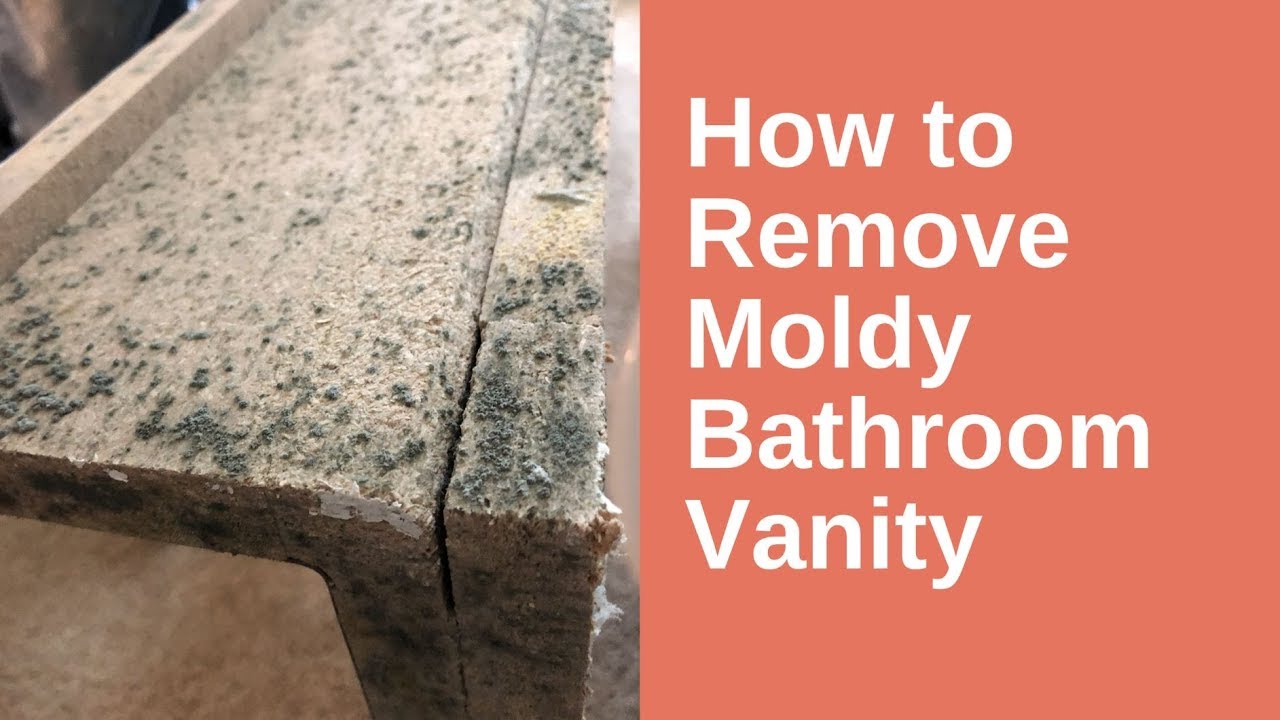
Credit: www.youtube.com
Identifying Mold
Identifying mold in your cabinets is the first step. Catching it early stops its spread. It prevents bigger problems. Look for specific signs.
Visual Clues
Mold often looks fuzzy. It can be black, green, or white. Sometimes it appears as spots. Check cabinet corners. Inspect shelves and walls. Look behind stored items.
Smell Test
Mold has a distinct smell. It smells musty and damp. This odor signals a problem. It is often strongest inside cabinets. Your nose knows mold.
Location Matters
Mold likes dark, damp places. Kitchen cabinets are common spots. Bathroom cabinets too. Areas with leaks are suspect. Check under sinks. Pipes can cause moisture.
Safety First
Mold removal needs care. Your health is important. Protect yourself before you start. Mold spores can cause problems. Breathe them in, feel sick. Contact with mold irritates skin. Safety is your top priority.Protect Your Lungs
Wear a mask. An N95 respirator is best. It filters out tiny mold spores. Do not skip this step. Your lungs will thank you. Make sure it fits snugly.Guard Your Eyes
Put on safety goggles. Mold particles can fly. They can get in your eyes. Goggles offer a solid barrier. Protect your vision.Cover Your Skin
Use rubber gloves. They keep mold off your hands. Wear long sleeves too. Cover as much skin as possible. This prevents skin irritation. Disposable gloves work well.Ventilate The Area
Open windows wide. Turn on exhaust fans. Good airflow is crucial. It helps clear the air. It removes mold spores. It reduces humidity. Work in a well-ventilated space.
Credit: www.reddit.com
Gather Your Supplies
First, gather necessary items. You’ll need gloves, a mask, and cleaning cloths. A good mold cleaner is essential.
Getting rid of cabinet mold starts with preparation. You need the right tools. This makes the job easier. It also ensures safety. Think of it as your mold-fighting toolkit. Having everything ready saves time. It prevents interruptions. Let’s see what you need.Protective Gear
Safety first. Always protect yourself. Wear rubber gloves. They keep your hands safe. Use eye protection. Goggles work well. They prevent splashes. A mask is essential. It stops you from breathing mold spores. A simple N95 mask is good.Cleaning Solutions
You need effective cleaners. White vinegar is a great choice. It kills mold naturally. Bleach is another option. Use it carefully. Mix bleach with water. A 1:1 ratio is common. Mild dish soap also helps. It cuts through grease.Scrubbing Tools
Scrubbing is key. You need the right brushes. A stiff-bristled brush works. It reaches into corners. Old toothbrushes are useful. They get into tight spots. Sponges are also handy. Choose ones that scrub well.Drying And Ventilation
Drying is crucial. Mold loves moisture. You need dry cloths. Microfiber cloths are best. They absorb water well. A fan helps a lot. It circulates air. Good ventilation prevents mold return. Open windows if possible.Disposal Bags
Proper disposal matters. Use strong trash bags. Seal them tightly. You do not want spores escaping. Double bagging is a good idea. This contains the mold waste.Step-by-step Removal
Follow these simple steps for mold removal. First, gather your supplies. Then, clean the affected areas thoroughly. Finally, dry and ventilate the cabinets well.
Getting rid of mold requires a clear plan. This section guides you through the process. Follow these simple steps carefully. You will banish mold from your cabinets.Emptying The Cabinets
First, clear everything out. Remove all items from the affected cabinets. Place contents on a clean surface. This makes cleaning much easier.Cleaning The Mold
Next, tackle the mold itself. Mix one part bleach with ten parts water. You can also use vinegar. A spray bottle works well. Apply the solution to moldy areas. Let it sit for a few minutes. Scrub gently with a brush. A toothbrush is good for corners.Rinsing And Drying
Now, rinse the cabinets. Use a damp cloth. Wipe away the cleaning solution. Make sure no residue remains. Then, dry the cabinets thoroughly. Use a clean, dry towel. Open cabinet doors. Allow air to circulate. This prevents new mold growth.Deodorizing
Finally, get rid of odors. Mold can leave a musty smell. Baking soda absorbs odors. Place an open box inside. You can also use activated charcoal. Leave these in the cabinets overnight. Your cabinets will smell fresh.Natural Cleaning Solutions
Many people worry about harsh chemicals. Natural cleaners work well. They are safer for your home. They are also eco-friendly. Try these simple, natural methods. You can get rid of cabinet mold easily.
Vinegar Power
Vinegar is a strong mold killer. It kills about 80% of mold species. Use white distilled vinegar. Do not dilute it. Pour vinegar into a spray bottle. Spray the moldy cabinet areas. Let it sit for one hour. Wipe the area clean. Use a damp cloth. Repeat if needed. The smell fades quickly.
Baking Soda’s Role
Baking soda is a great cleaner. It also absorbs odors. It is a mild abrasive. Mix baking soda with water. Make a paste. Apply the paste to mold. Let it dry on the mold. Scrub gently with a brush. Wipe it clean with a damp cloth. Baking soda is safe. It works on many surfaces.
Hydrogen Peroxide Method
Hydrogen peroxide kills mold. It also prevents mold regrowth. Use a 3% solution. Pour it into a spray bottle. Spray the moldy spots. Let it sit for ten minutes. Scrub the area. Wipe it clean with a cloth. It is a good alternative. It is less harsh than bleach.
Tackling Stubborn Mold
Mold in cabinets is a common problem. Tackling stubborn mold requires a simple, effective approach. Clean affected areas thoroughly to restore your cabinets.
Some mold problems are tough. They need extra effort. Don’t give up. We can beat this mold.Prepping The Area For Tough Mold
Protect yourself first. Wear gloves. Use a mask. Open windows for air. Cover nearby items. This stops mold spread.Choosing The Right Cleaner For Tough Mold
Vinegar is a good choice. White vinegar works best. It kills mold naturally. Bleach is another option. Use it for tough spots. Always dilute bleach. Test cleaners first. Use a small area. See how it reacts.Scrubbing Away Stubborn Mold Stains
Use a stiff brush. Scrub the moldy spots. Work the cleaner in. Be firm but gentle. Rinse the area well. Dry it completely. Repeat if needed. Patience is key here.Drying And Preventing Mold Regrowth
Mold loves moisture. Dry cabinets thoroughly. Use a fan. Ensure good air flow. Fix any leaks. This is very important. Keep cabinets dry. Mold will not return. `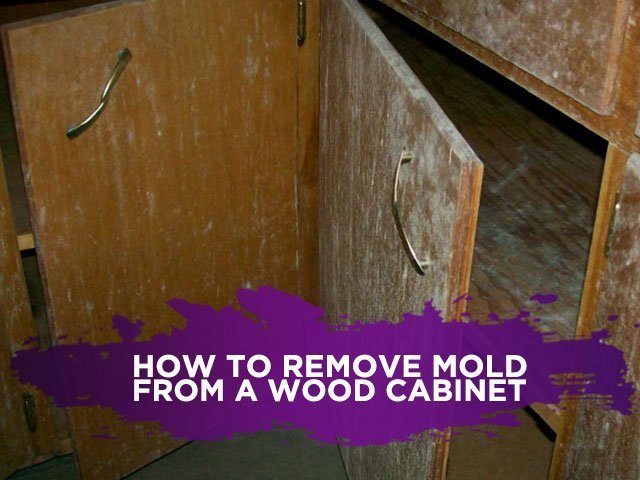
Credit: restorepro911.com
Preventing Future Mold
Mold loves dark, damp spaces. Cabinets are perfect for mold growth. You cleaned your cabinets. Now, stop mold from coming back. Prevention is key. These steps will keep your cabinets mold-free. You can do this.
Control Moisture
Moisture causes mold. Stop leaks quickly. Fix dripping pipes. Wipe up spills. Use a dehumidifier. Keep humidity low. Aim for 30-50% humidity. This is important.
Improve Airflow
Stale air holds moisture. Open cabinet doors often. Let air circulate. Do not overstuff cabinets. Leave space between items. This helps air move.
Regular Cleaning
Clean cabinets often. Wipe them down weekly. Use a mild cleaner. Dry them thoroughly. This removes food bits. Mold eats food. Cleanliness stops mold.
Seal And Protect
Seal wood surfaces. Use a good sealant. This repels water. Check for damage. Repair any cracks. Protect your cabinets. This makes them last.
When To Call A Professional
Sometimes, DIY mold removal is not enough. You might need expert help. Knowing when to call a professional is important. It protects your health. It also protects your home.
The Extent Of The Mold
Is the mold widespread? Does it cover a large area? Large mold patches need professional attention. Small spots are usually manageable. Big problems require a mold expert.
Persistent Mold Issues
Does the mold keep coming back? You clean it. It reappears. This means the source is still there. A professional can find hidden moisture. They can fix the root cause.
Health Concerns
Are you or your family sick? Mold can cause health problems. Respiratory issues are common. Allergies can worsen. If mold affects your health, call an expert. They use safe removal methods.
Hidden Mold Suspicions
Do you smell mold but see none? Mold hides well. It can be inside walls. It can be in vents. Professionals have tools to find it. They can detect hidden mold growth.
Structural Damage Worries
Has mold damaged your cabinets? Is the wood soft or crumbly? Mold can weaken materials. Significant damage needs professional repair. Experts can assess the structural integrity.
Frequently Asked Questions
What Causes Mold In Kitchen Cabinets?
Mold needs moisture and food to grow. Leaky pipes, high humidity, or spilled liquids create dampness. Food particles and wood offer mold a meal.
How Can I Safely Remove Mold From Cabinets?
Ventilate the area well. Wear gloves and a mask. Use a mild soap and water solution. For tougher spots, a diluted bleach or vinegar mix works.
Can I Prevent Mold From Returning To Cabinets?
Keep cabinets dry and clean. Fix any leaks promptly. Use a dehumidifier if needed. Ensure good air circulation inside.
What Are The Health Risks Of Cabinet Mold?
Mold can cause allergies and breathing issues. Some molds release toxins. It’s important to remove it for health.
How Do I Clean Mold From Painted Cabinets?
Use a soft cloth with mild soap. Gently scrub the moldy areas. Rinse with a damp cloth. Dry thoroughly to prevent regrowth.
Is Vinegar Or Bleach Better For Cabinet Mold?
Vinegar is a good natural cleaner. It kills many mold types. Bleach can work on tough stains. Always dilute bleach before use.
Should I Throw Away Moldy Cabinet Shelves?
Discard shelves if mold is deep. If mold is only on the surface, cleaning might work. Always inspect the material carefully.
Conclusion
Tackle mold in your cabinets now. Act fast to protect your home. Clean them thoroughly and dry them well. Prevent mold from returning. Good ventilation is key. Check for leaks regularly. Your kitchen will be healthier. Enjoy a mold-free space.