
Do you find yourself crossing your legs without even realizing it, especially when you’re settled at your desk? It’s a common habit, but it might be doing more harm than you think.
That slight shift, that comfortable posture, could be contributing to aches, pains, and even long-term issues. If you’re ready to break free from this ingrained habit and improve your well-being, you’re in the right place. We’re going to show you simple, effective ways to stop crossing your legs at your desk and feel the difference.
The Leg-crossing Habit
The leg-crossing habit. It’s so common. Many of us do it without thinking. We sit at our desks. Our legs find a way to cross. This simple posture can cause problems. Let’s explore why we do it.
Why We Cross Legs
Our bodies seek comfort. Crossing legs feels natural. It can provide a sense of stability. Some people cross legs for posture. They think it looks more professional. Others cross legs to feel grounded. It’s a subconscious behavior. It happens without much thought.
The Desk Worker’s Dilemma
Desk jobs keep us seated. We spend hours at our desks. This long sitting time is an issue. Crossing legs becomes a default position. It feels like the only option. Our bodies get used to this. It becomes hard to break the habit. The sedentary nature of work contributes. This leads to potential health concerns.
Credit: evolveny.com
Leg Crossing And Back Pain
Crossing your legs at your desk is common. Many people do it without thinking. This habit can cause real back pain. Let’s explore why leg crossing hurts your back.
Pelvic Tilt Effects
Crossing legs tilts your pelvis. One side lifts higher. This creates an uneven posture. Your lower back muscles strain. This strain leads to discomfort. It can become chronic pain.
Spinal Alignment Issues
Your spine needs good alignment. Leg crossing disrupts this. It forces your spine into a curve. This is not its natural shape. Poor alignment stresses discs. It can cause long-term damage. Your posture suffers greatly.
Nerve Compression Risks
Nerves run down your legs. Crossing legs can pinch them. This is nerve compression. You might feel tingling. Numbness can occur too. Pain may shoot down your leg. It affects your sciatic nerve. This is a serious risk.
Breaking The Cycle
Breaking the cycle of crossing your legs at your desk is achievable. It takes conscious effort and smart adjustments. You can train your body. You can create a more supportive workspace. Let’s explore how.
Mindful Awareness
Start noticing when you cross your legs. This is the first step. Pay attention during your workday. Catch yourself in the act. Gently uncross your legs. Remind yourself to sit up straight. This awareness builds new habits. It rewires your posture.
Desk Setup Solutions
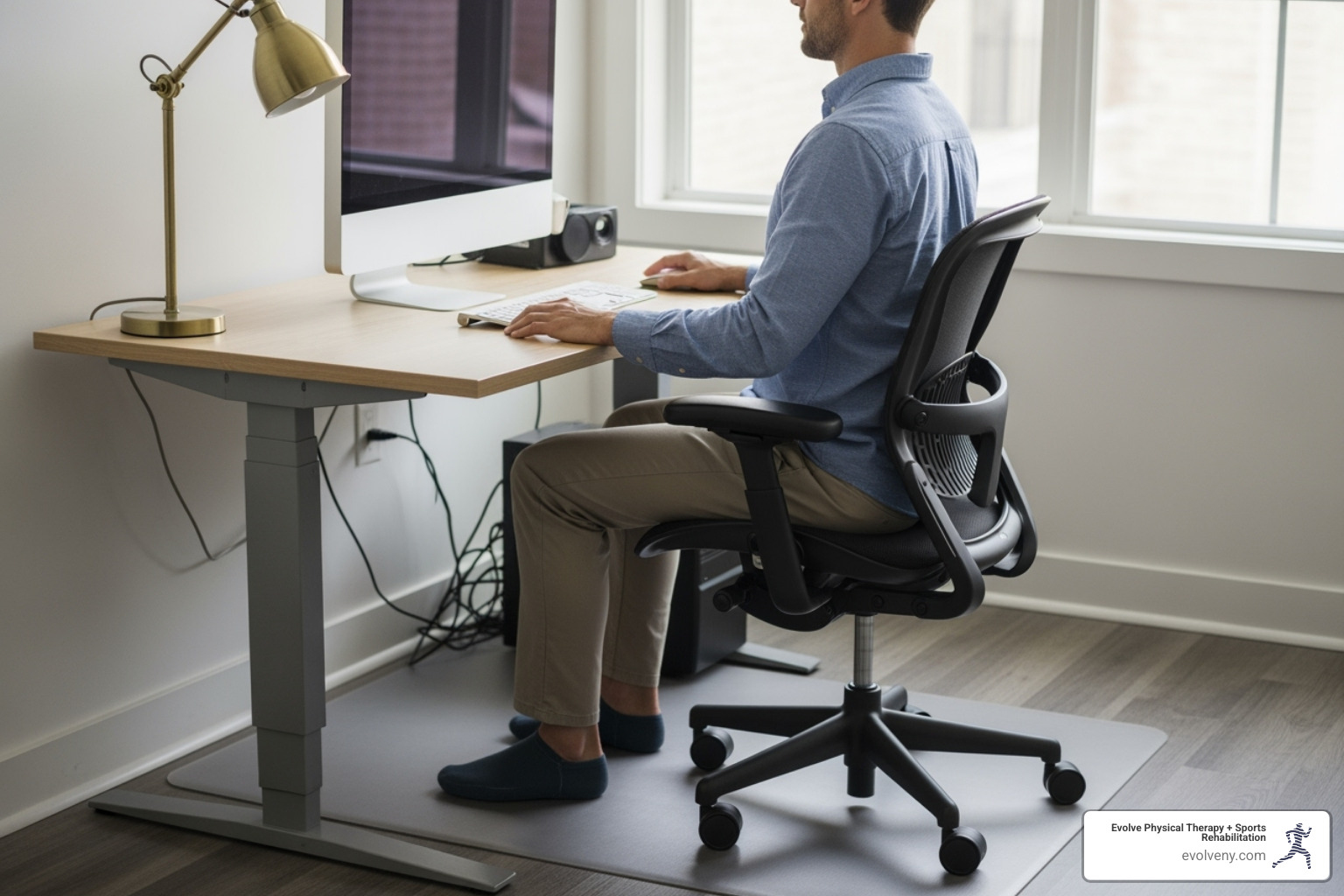
Your desk can help. Keep your workspace clear. This discourages leg crossing. Ensure your chair height is correct. Your feet should rest flat. They should be on the floor. This promotes a stable posture. A well-arranged desk supports good habits.
Footrest Strategies
Consider a footrest. It provides a resting place. Your feet stay grounded. This naturally prevents crossing. Choose a comfortable height. Adjust it as needed. A footrest encourages proper alignment. It makes sitting comfortably easier. Your legs will thank you.

Credit: www.amazon.com
Movement And Posture
Sitting with crossed legs can strain your body. Try keeping both feet flat on the floor. This simple change supports better posture while you work.
Good posture is vital. It supports your body. It prevents discomfort. Crossing legs disrupts good posture. It can cause many problems. Let’s explore better habits. Focus on movement. Improve your sitting posture.Regular Breaks
Sitting too long is bad. Get up often. Walk around your office. Stretch your legs. Move your body. This helps circulation. It prevents stiffness. Aim for a break every 30 minutes. Even a short walk helps.Stretching At Your Desk
You can stretch while seated. Gently roll your shoulders. Rotate your neck slowly. Reach your arms overhead. Stretch your wrists. These small movements help. They release muscle tension. Do them throughout the day.Core Strengthening Exercises
A strong core supports you. It helps maintain good posture. You can do simple exercises. Sit up straight. Gently engage your abdominal muscles. Hold for a few seconds. Release. Repeat this often. This builds core strength. It helps you sit better. It stops leg crossing.Ergonomic Adjustments
Good posture starts with your chair. Adjust your desk height. Ensure your feet rest flat on the floor. This simple ergonomic shift discourages leg crossing.
Making smart changes to your workspace helps a lot. These adjustments encourage good posture. They can stop you from crossing your legs. Your body will thank you.Chair Height And Support
Adjust your chair height. Your feet should rest flat. They should be on the floor. Your knees should form a 90-degree angle. Ensure your chair has good lumbar support. This supports your lower back. It keeps your spine in a natural curve.Monitor Placement
Position your monitor correctly. The top of the screen should be level. It should be at eye level. You should not tilt your head up. You should not crane your neck down. This reduces strain on your neck. It also helps your overall posture.Keyboard And Mouse Ergonomics
Place your keyboard and mouse close. Keep them within easy reach. Your elbows should be at a 90-degree angle. Your wrists should be straight. Avoid bending them up or down. This prevents discomfort. It promotes a relaxed posture.
Credit: www.autonomous.ai
Long-term Habits
Breaking a habit takes time. Crossing your legs at your desk is one such habit. It feels natural. It feels comfortable. But it causes problems. Building new habits is key. These habits support better posture. They promote good health. Think about lasting change. This is about more than a quick fix. It is about a healthier you.
Consistent Practice
Small steps create big results. Practice not crossing your legs. Do this every day. Remind yourself often. Set small goals. Celebrate small wins. This builds new muscle memory. It becomes easier over time. Be patient with yourself. Progress matters most. Keep trying.
Seeking Professional Help
Sometimes, help is needed. A physical therapist can assist. They understand body mechanics. They offer personalized advice. Doctors can identify issues. They can suggest solutions. Do not hesitate to ask. Professionals offer valuable insights. They guide your journey. They help you heal.
A Pain-free Future
Imagine feeling better. Picture a body without pain. Good posture is the goal. Less discomfort is possible. Better circulation will come. Your back will thank you. Your legs will feel lighter. Enjoy daily activities more. Live a healthier life. This future is within reach.
Frequently Asked Questions
Why Is Crossing Legs Bad At Desk?
Crossing legs can strain your back. It might also affect blood flow. This habit can lead to discomfort over time.
How To Break The Habit Of Crossing Legs?
Be mindful of your posture. Set reminders to uncross your legs. Try different sitting positions instead.
Can Crossing Legs Cause Back Pain?
Yes, it can contribute to back pain. It often misaligns your spine. This puts extra stress on your lower back.
What Are The Health Risks Of Crossing Legs?
It may worsen circulation. Nerve compression is also possible. Some people experience hip pain.
How To Sit Properly At A Desk?
Keep your feet flat on the floor. Your knees should be at a 90-degree angle. Maintain a straight back against your chair.
What If I Can’t Stop Crossing My Legs?
Try placing a footrest under your desk. This can help keep your legs uncrossed. Adjust your chair height if needed.
Does Crossing Legs Affect Posture?
Absolutely. It can tilt your pelvis. This leads to a rounded back. Good posture suffers greatly.
Conclusion
Breaking the leg-crossing habit is possible. Try these simple tips. Stand up often. Stretch your legs. Adjust your chair height. Focus on good posture. Your body will thank you. Feel the difference. Sit straighter, work better. A healthier you awaits.