
Are you tired of that nagging back pain after a long day at the office? Does your current chair feel more like a medieval torture device than a place to get work done?
You’re not alone. Many of us spend hours glued to our desks, and the wrong chair can seriously impact your comfort, focus, and even your long-term health. The good news? You might be eligible for an ergonomic chair at work, and it’s often easier to get than you think.
This guide will walk you through exactly how to make that request, so you can finally say goodbye to discomfort and hello to a healthier, more productive workday.
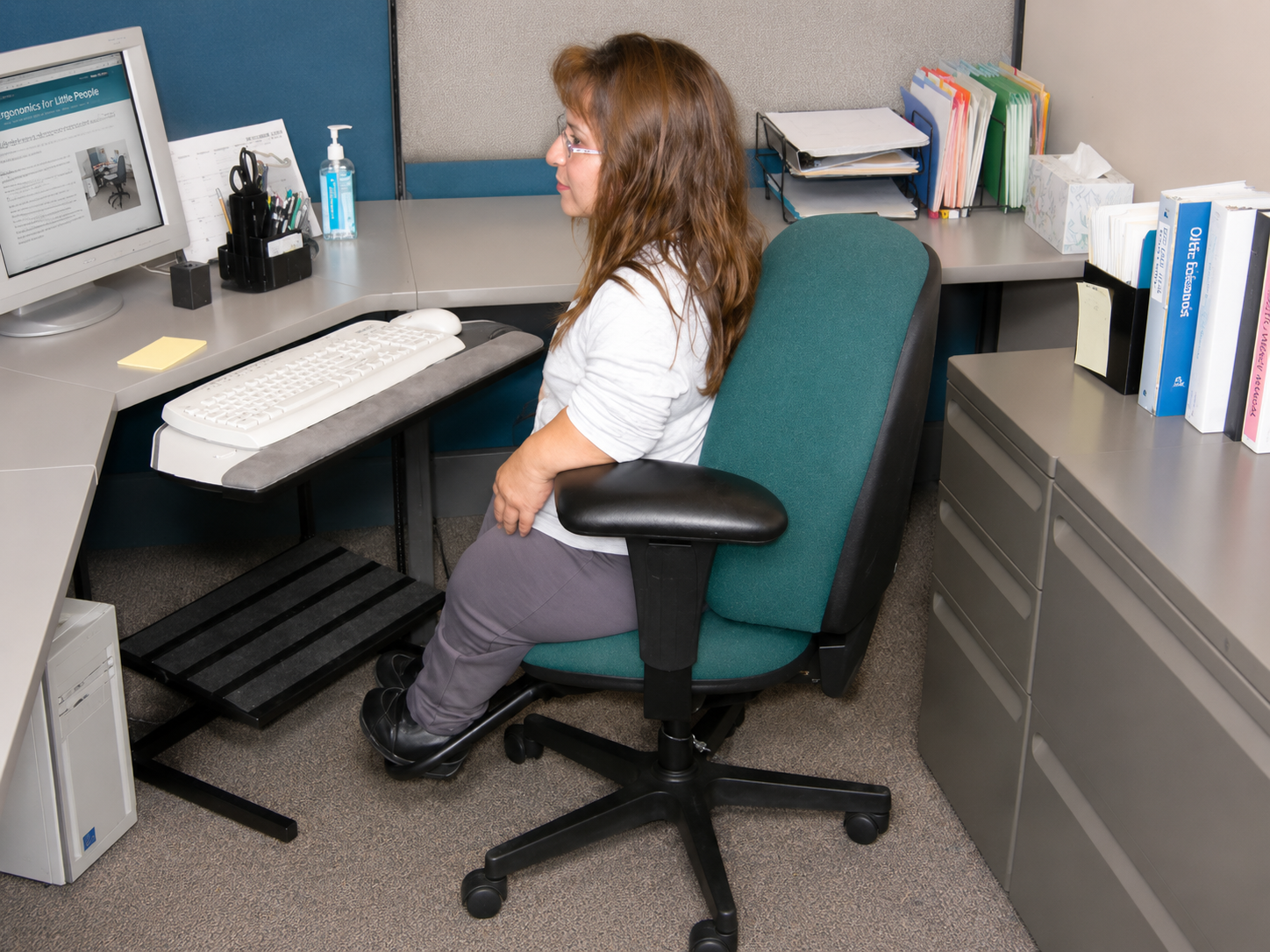
Credit: askergoworks.com
Why An Ergonomic Chair Matters
An ergonomic chair is more than just office furniture. It is an investment in your well-being. It supports your body correctly. This prevents many common problems. Understanding why it matters helps your request.
The Cost Of Discomfort
Pain affects your work. Backaches slow you down. Neck pain makes it hard to focus. Discomfort costs you time. It costs your company money. Missed days add up. Productivity drops significantly.
Boosting Productivity
Comfort fuels focus. A good chair supports you. You sit straighter, naturally. Less pain means more attention. You can concentrate better. Tasks get done faster. Your output increases. Happy workers are productive workers.
Long-term Health Benefits
Your body thanks you later. Good posture prevents strain. It reduces repetitive stress injuries. This means fewer doctor visits. You avoid chronic pain issues. Your long-term health improves. A proper chair protects your spine. It supports good circulation.
Assess Your Needs
First, think about your discomfort. What hurts when you sit? Note your specific issues. This helps explain why you need a new chair.
Before you ask for a new chair, know why you need it. This section helps you figure that out. Understanding your needs makes your request stronger. It shows you’ve thought this through.Identify Your Pain Points
Where does your body hurt? Do your shoulders ache? Does your back feel stiff? Is your neck sore? Maybe your wrists feel tired. Pinpoint the exact spots.Document Symptoms
Write down your pain. When does it start? How long does it last? Does it get worse during the day? Note any discomfort you feel. Be specific about your symptoms.Measure Your Workspace
How much space do you have? Measure your desk height. Note the depth of your desk. How much room is under your desk? This information is important. It helps determine the right chair size.Research Your Options
Before you ask for a new chair, do your homework. Researching your options helps you make a strong case. It shows you are serious. You understand your needs. You know what good looks like. This preparation is key. It makes your request more effective.
Key Ergonomic Features
What makes a chair ergonomic? Look for adjustable height. Lumbar support is vital. It supports your lower back. Armrests should be adjustable. Seat depth matters too. Your feet should rest flat. Your knees should be at a right angle. A breathable mesh back helps. It keeps you cool.
Budget Considerations
Ergonomic chairs vary in price. Some are very expensive. Others are more affordable. Understand your company’s budget. Ask about available options. Some companies have a set list. Others allow more choice. Know what you can realistically ask for. A mid-range chair can be great. It offers good support. It fits most budgets.
Company Policies
Check your company’s policy. How do you request equipment? Is there a specific form? Who approves these requests? Your manager is a good start. HR might have guidelines. Some companies have an ergonomics team. Learn these procedures first. Following the right steps is important. It speeds up the process.
Build Your Case
Building your case is key. You need to show why an ergonomic chair is necessary. Your employer needs to understand the value. This section helps you prepare your request.
Gather Supporting Evidence
Your doctor can help. Ask for a note. This note should explain your pain. It should mention how a chair helps. Your HR department may have forms. Check their policies. Look for company guidelines. These can support your request. Document your discomfort. Note when pain occurs. Note what makes it worse. This shows a real need. Pictures can also help. Show your current setup. Highlight its problems. This visual proof is strong.
Focus On Benefits
Think about what improves. Your health is a benefit. Less pain means more focus. Better posture is a win. Increased comfort matters. Productivity goes up. Fewer sick days are good. Your employer benefits too. They get more work done. Employee morale improves. A happy worker is productive. Reduced injury risks save money. Focus on these positive outcomes. Frame your request around them.
Quantify The Impact
Numbers show real value. How much time do you lose? This is due to pain. Estimate lost work hours. Calculate this loss. What are the costs? Think about potential medical bills. These can be high. An ergonomic chair prevents costs. It’s an investment. The chair costs less than lost work. It costs less than injuries. Show these financial benefits. This makes your case strong. It proves the chair is smart.
Prepare For The Conversation
Gather your thoughts before you speak. Know your reasons for needing a new chair. Think about how it will help your work.
Asking for a new chair is important. Good preparation makes it easier. You want to be ready. This helps your request succeed. Think about what you will say.Choose The Right Time
Timing matters a lot. Pick a good moment. Avoid busy or stressful times. Your boss should be relaxed. A quiet moment is best. Ask when they are not rushed.Practice Your Pitch
Rehearse what you will say. Practice in front of a mirror. Tell a friend your reasons. This builds your confidence. You will sound clear. You will sound sure.Anticipate Objections
Think about possible concerns. Your boss might ask about cost. They might ask about necessity. Prepare answers for these. Explain the benefits clearly. Focus on productivity. Mention health improvements.Making The Request
Making the request for an ergonomic chair is a crucial step. You need a plan. A well-prepared request gets results. Show your employer you mean business. This section guides your approach. It helps you get the chair you need.
Formal Vs. Informal
Consider your workplace culture. Is it formal or casual? A formal request uses a written letter. It goes to HR or your manager. An informal request is a direct conversation. You might speak to your supervisor first. Choose the method that fits best. Document your request. Even informal talks can be followed up. This creates a record.
Presenting Your Evidence
Gather proof of your need. Pain is a strong indicator. Document your discomfort. Note when and where it hurts. Mention specific tasks causing pain. Research ergonomic chair benefits. Explain how it helps productivity. Show how it prevents injuries. Connect the chair to your well-being. A healthier you is a better worker.
Negotiation Strategies
Be prepared for discussion. Your employer may have questions. Understand their budget concerns. Offer solutions if needed. Perhaps a trial period is possible. Suggest a specific chair model. Know its price and features. Highlight its long-term value. Focus on benefits for the company. Improved focus. Fewer sick days. A good chair is an investment.
After The Approval
Your ergonomic chair request is approved. Now, follow your company’s process for ordering it. Confirm the model and delivery details. Enjoy your improved workspace soon.
Your ergonomic chair request is approved! This is a great step. You are one step closer to a more comfortable workday. This new chair can help your body. It can reduce aches and pains. It can also boost your productivity. Take time to set it up correctly. This ensures you get the full benefits.Proper Chair Setup
Your new chair needs proper adjustment. This is important for comfort. It is also key for support. Sit back in the chair. Your feet should rest flat. They should be on the floor. Your knees should form a 90-degree angle. Adjust the seat height. Make sure your thighs are parallel. The backrest should support your lower back. This is the lumbar curve. Adjust the armrests. They should be at a height. Your shoulders can relax. Your elbows should be bent. They should be at about 90 degrees.Ongoing Adjustments
Your body might need more. Adjustments are often needed. Your needs can change daily. Small tweaks make a big difference. Pay attention to your body. Does anything feel uncomfortable? Adjust the chair as needed. This is a continuous process. Your body will thank you.Share Your Success
Did the chair help you? Tell your colleagues. Share your positive experience. Others might benefit too. Your story can encourage them. It can show them the value. It can help them request a chair. A comfortable workplace benefits everyone.If The Answer Is No
Sometimes, your request for a new chair might get a ‘no’. This can be disappointing. It might feel unfair. Do not get discouraged. There are still steps you can take. Your comfort matters. Your health is important.
Understanding The Reasons
Your employer may have reasons. Budgets can be tight. They might not understand the need. Perhaps they think your current chair is fine. They may have policies against new purchases. Ask for clarification. Learn their perspective. This knowledge helps you. It guides your next move.
Alternative Solutions
A new chair is not the only way. Explore other options. Can you get a lumbar support cushion? A footrest might help. Adjustable desk accessories are available. These can improve your posture. They can reduce discomfort. They are often less expensive. Discuss these with your manager. They might be easier to approve.
Revisiting The Request
You can ask again later. Gather more information. Document your discomfort. Note pain or fatigue. Track how it affects your work. Share this with your manager. You can also get a doctor’s note. A medical professional’s advice is strong. It highlights the necessity. Present your case clearly. Focus on productivity benefits. A comfortable employee works better. This can change their mind.
Frequently Asked Questions
Why Do I Need An Ergonomic Chair?
An ergonomic chair supports your body well. It helps prevent aches and pains. Good posture is easier to maintain.
How Do I Ask For An Ergonomic Chair?
Talk to your manager first. Explain why you need one. Mention any discomfort you feel.
What If My Company Says No?
Ask about their policy. See if there’s a process. You might need a doctor’s note.
Can I Choose My Own Chair?
Often, the company picks. They might have specific vendors. Discuss your needs with HR.
When Should I Request A Chair?
Request it when you feel pain. Or if your current chair is bad. Don’t wait for problems to worsen.
What Information Is Needed?
Explain your pain points. Mention how it affects work. A doctor’s note helps a lot.
Are Ergonomic Chairs Expensive?
They can cost more upfront. But they save money long-term. Fewer sick days mean more work.
Conclusion
Your comfort matters. An ergonomic chair supports your body. It helps prevent pain. Ask your manager for one. Document your needs clearly. Explain the benefits to your health. A good chair boosts productivity too. Take the first step today. Your well-being is important.