
Dreaming of a home that perfectly blends the sleek durability of tile with the cozy comfort of carpet? You’re not alone!
Many homeowners wonder how to seamlessly transition between these two popular flooring choices. It might seem tricky to get right, but with the right approach, you can create beautiful and functional spaces that wow your guests. Keep reading to discover the simple secrets to joining tile and carpet like a pro, ensuring your floors look stunning and last for years to come.
Why Combine Tile And Carpet?
Mixing tile and carpet offers great benefits. You get durable flooring where needed. Comfortable carpet provides warmth in other areas.
Mixing tile and carpet offers many benefits. It creates beautiful, functional spaces. This design choice blends style with practicality. You get the best of both worlds.Aesthetic Appeal
Tile and carpet offer contrasting textures. This creates visual interest. You can design unique patterns. Mix bold tiles with soft carpets. This adds depth to rooms. It makes your home stand out.Functional Zones
Use tile and carpet to define areas. Tile works well in high-traffic zones. Think entryways or kitchens. Carpet adds comfort to living areas. It creates cozy nooks. This separation improves flow.Durability And Comfort
Tile is very durable. It resists moisture and stains. Carpet provides warmth underfoot. It offers sound dampening. This combination balances toughness with comfort. It suits busy households.Cost-effectiveness
Strategic placement saves money. Use less expensive tile. Pair it with plush carpet. This optimizes your budget. You get a high-end look. It remains affordable.Planning Your Tile And Carpet Layout
Planning your tile and carpet layout is crucial. It sets the stage for your entire project. Good planning saves time and money. It ensures a beautiful, functional space. Think about how you use each room. Consider the purpose of different areas. This guides your material choices. It helps you blend tile and carpet seamlessly.
Defining Zones
Divide your space. Think about distinct areas. A kitchen needs durable tile. A living room might prefer cozy carpet. Bedrooms often benefit from soft carpet. Entryways can use tough tile. Define these zones clearly. This makes material selection easy. It creates visual separation. It improves room functionality.
Considering Traffic Flow
How do people move? Map out common paths. High-traffic areas need durable materials. Tile is excellent for busy hallways. Carpet can wear out quickly. Place carpet in low-traffic spots. Consider the transition between materials. Make it smooth and safe. Avoid tripping hazards. Good flow makes rooms feel larger. It enhances daily living.
Visual Appeal And Design
Think about the overall look. What style do you want? Consider color schemes. Tile and carpet should complement each other. Use tile for bold statements. Carpet can add warmth. Mix textures for interest. Think about patterns. A geometric tile can work. A plush carpet adds luxury. Let your personal style shine. Create a cohesive design.
Tile Selection Tips
Joining tile and carpet needs careful planning. Choose a transition strip. This creates a neat edge. It makes the change smooth.
Choosing the right tile is key. It impacts beauty and function. Let these tips guide your tile selection.Durability And Maintenance
Think about daily life. High-traffic areas need tough tiles. Consider porcelain or ceramic. They resist scratches and stains well. Simple cleaning is a big plus. Look for tiles needing little upkeep. This saves you time later.Style And Aesthetics
Tiles set your room’s mood. What look do you want? Modern, rustic, or classic? Explore different colors and patterns. Natural stone offers unique beauty. Tile sizes also matter. Large tiles can make rooms feel bigger. Small tiles can add intricate detail. Match tiles to your existing decor.Slip Resistance
Safety is very important. Especially in bathrooms or kitchens. Choose tiles with good grip. Look for a higher coefficient of friction. Textured tiles offer more traction. This prevents slips and falls. A safer home is a happy home.Carpet Selection Tips
Choosing the right carpet matters. It affects your home’s look. It also impacts comfort and durability. These tips help you pick wisely. Make your home beautiful. Enjoy lasting comfort.
Pile Height And Density
Pile height is key. Short piles are tough. They resist crushing. This is good for busy areas. Think hallways. Think living rooms. High piles feel plush. They offer luxury. They show wear more easily. Density matters too. Densely packed fibers last longer. They feel softer underfoot. Look for tightly woven carpets. This means better wear. It means more comfort.
Material And Fiber
Carpet fibers vary. Nylon is strong. It is stain-resistant. It is a popular choice. Polyester is soft. It resists fading. It is also affordable. Wool is natural. It feels luxurious. It is very durable. It can be expensive. Consider your needs. Think about your budget. Each fiber has pros. Each fiber has cons. Choose what fits you best.
Color And Pattern
Color changes a room. Light colors make spaces feel big. They brighten the mood. Dark colors add coziness. They hide dirt better. Patterns can hide wear. They add visual interest. Busy patterns are forgiving. They hide spills well. Simple patterns offer elegance. Consider your furniture. Think about wall colors. Pick a carpet that complements. It should tie the room together.
The Transition Zone
Create a smooth transition between tile and carpet. This area needs careful planning. A transition strip makes the join look neat.
The transition zone is important. It is where tile meets carpet. This area needs careful attention. A good transition looks nice. It also keeps your floors safe. We will explore this area.Transition Strips Explained
Transition strips bridge two flooring types. They cover the edge where they meet. This prevents tripping hazards. It also stops fraying carpet edges. Strips create a clean finish. They look professional.Types Of Transition Strips
Many options exist. Metal strips are strong. They offer a modern look. Wood strips match flooring. They provide a warm feel. Vinyl strips are affordable. They are easy to install. Choose a style that fits.Diy Vs. Professional Installation
You can install them yourself. DIY saves money. It takes time and effort. Measure carefully. Cut precisely. A professional ensures perfection. They have the right tools. They know best practices. Consider your skill level.
Credit: www.niuyuantrims.com
Installation Steps: Tile
Installing tile requires careful planning. It makes your floor look great. Proper steps ensure a lasting finish. Let’s break down the tile installation process.
Subfloor Preparation
A solid base is crucial. Your subfloor must be level. Clean it thoroughly. Remove old flooring completely. Any debris causes problems. Ensure the subfloor is dry. This prevents moisture issues. Consider a cement board. It offers excellent stability. Screw it down securely. This creates a smooth surface. It is ready for tile.
Laying The Tile
Start in a corner. Dry fit your first tile. Mark your layout lines. Mix your thin-set mortar. Follow the manufacturer’s guide. Spread a thin layer. Use the notched trowel. This creates ridges. Place the first tile. Press it firmly down. Wiggle it slightly. This ensures good adhesion. Place spacers between tiles. This creates even grout lines. Continue laying tiles. Work in small sections. Cut tiles as needed. A wet saw works well. Measure carefully for cuts. Wipe away excess mortar. Do this before it dries.
Grouting And Sealing
Wait for the mortar to cure. This takes about 24 hours. Remove all the spacers. Mix your grout. Use the rubber float. Spread grout over tiles. Push it into the gaps. Work at an angle. Wipe off excess grout. Use a damp sponge. Rinse the sponge often. Clean the tile surface. Avoid rinsing dirty water. Let the grout dry partially. A haze will appear. Buff this haze away. Use a soft cloth. Allow grout to cure fully. This needs several days. Apply a grout sealer. This protects the grout. It prevents stains. Your tile floor is ready.
Installation Steps: Carpet
Join tile and carpet easily. First, prepare the subfloor. Then, lay the carpet edge. Next, secure the tile next to it. A clean seam looks best.
Installing carpet is a rewarding DIY project. Proper steps ensure a professional look. This section guides you through carpet installation. We will cover essential preparation. We will also discuss padding and tack strips. Finally, we cover stretching and seaming.Subfloor Prep For Carpet
Your subfloor needs to be clean. Remove old flooring completely. Sweep away all dust and debris. Fill any holes or cracks. Ensure the subfloor is smooth. A level surface is crucial. This prevents lumps in your carpet.Padding And Tack Strips
Choose the right carpet padding. Padding adds comfort and insulation. It also protects your carpet. Install tack strips around the room. Place them against the walls. The sharp points face inward. Leave a small gap from the wall. This gap helps stretch the carpet.Stretching And Seaming
Stretch the carpet tightly. Use a knee kicker tool. This pulls the carpet taut. It creates a smooth finish. Seams join carpet pieces together. Overlap the edges slightly. Use a seam roller. This presses the seam flat. A good seam is almost invisible.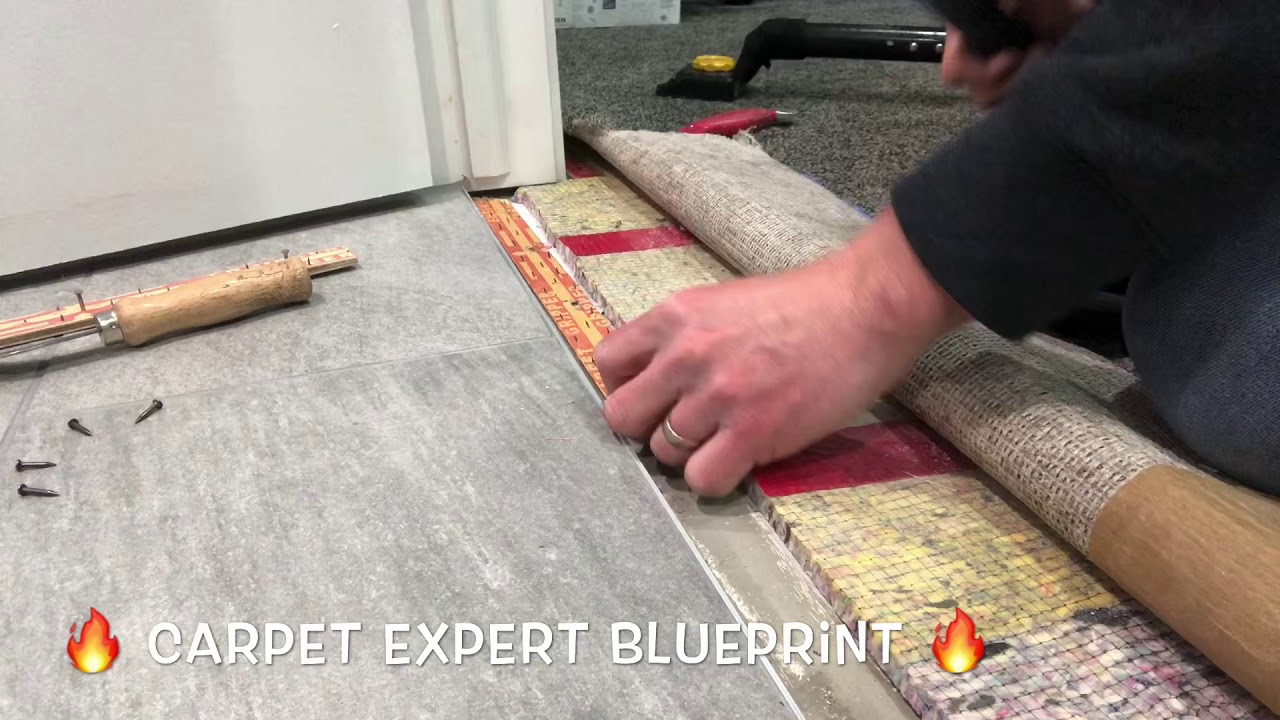
Credit: www.youtube.com
Common Pitfalls To Avoid
Watch out for common mistakes. Poor transitions create uneven edges. Measure carefully to avoid gaps. Proper preparation prevents future problems.
Joining tile and carpet presents unique challenges. Many DIYers stumble here. Avoid these common mistakes. Your flooring project will look better. It will also last longer.Uneven Transitions
Uneven Transitions
A tripped hazard. This happens often. Carpet edges meet tile. The height differs greatly. This looks unprofessional. It feels unsafe too. Use transition strips. These create a smooth change. They cover the edge gap. Choose the right height strip. This fixes the unevenness. It makes the transition seamless.Water Damage Concerns
Water Damage Concerns
Water is tile’s friend. It is carpet’s enemy. Water can seep between them. This happens at the join. Mold can grow there. The carpet backing can rot. This causes bad odors. It weakens the carpet. Seal the transition area well. Use a waterproof sealant. This blocks water intrusion. Protect your carpet investment.Matching Heights
Matching Heights
Tile and carpet have different thicknesses. This is a key problem. The subfloor might need adjustment. You may need to build up carpet. You might need to lower tile. Shim the carpet if needed. Adjust the tile setting bed. Aim for a level surface. This ensures a clean finish. It prevents future issues. A level transition is crucial.Maintaining Your Combined Flooring
Joining tile and carpet needs care. Proper installation creates a smooth transition. This keeps both floor types looking great.
Combining tile and carpet creates a beautiful look. It also offers practical benefits. Proper care keeps your floors looking great. It also makes them last longer. This section guides you. You will learn how to care for both. You will also learn about the transition.Tile Cleaning
Tile floors need regular cleaning. Sweep or vacuum often. This removes loose dirt. Use a damp mop for deeper cleaning. Use a mild soap. Avoid harsh chemicals. They can damage grout. Rinse the floor well. Let it air dry. For stubborn stains, use a tile cleaner. Test it in an hidden spot first. Seal your grout periodically. This protects it from stains.Carpet Care
Carpet needs gentle care. Vacuum your carpet weekly. This removes dust and debris. For spills, act fast. Blot them up immediately. Do not rub. Rubbing spreads the stain. Use a carpet spot cleaner. Follow the product instructions. For deep cleaning, consider professional help. Steam cleaning works well. Protect high-traffic areas. Use rugs or mats. This reduces wear and tear.Transition Strip Maintenance
The transition strip connects tile and carpet. It prevents tripping hazards. Keep it clean and secure. Sweep around the strip. Vacuum debris from its edges. Check for loose screws. Tighten them if needed. Ensure the strip is level. A level strip prevents falls. Clean the strip surface gently. Use a damp cloth. Avoid harsh cleaners. A well-maintained strip looks good. It also keeps your floors safe.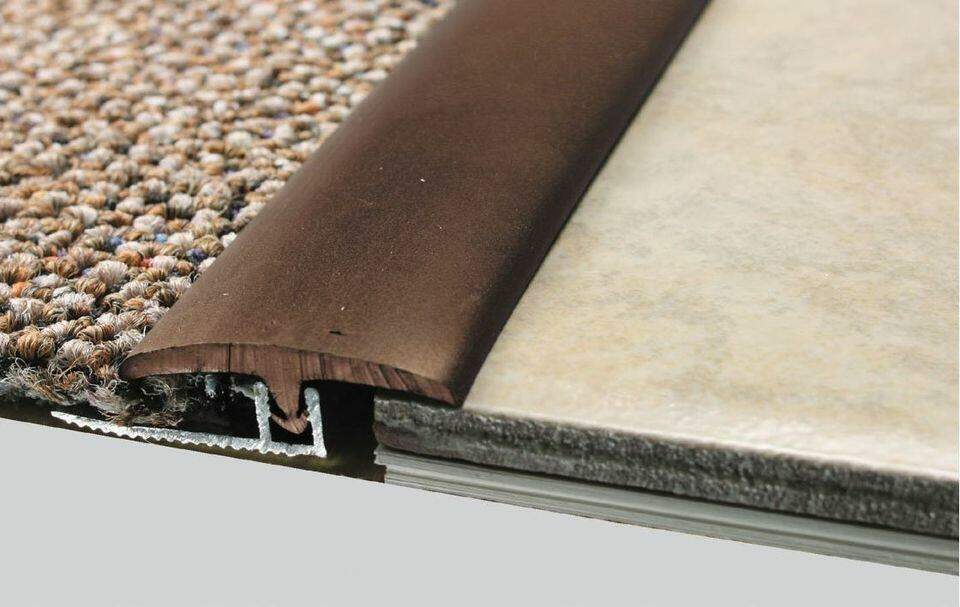
Credit: www.rubi.com
Frequently Asked Questions
What Is Tile And Carpet?
Tile and Carpet is a company that sells flooring. They offer many kinds of tile and carpet. It’s a place for home improvement.
How Can I Find Tile And Carpet Stores?
You can visit their website. It has a store locator tool. This tool helps you find stores near you.
What Flooring Options Does Tile And Carpet Offer?
They have a wide selection. You can find ceramic, porcelain, and natural stone tiles. Many carpet styles are also available.
Is It Easy To Order From Tile And Carpet?
Yes, ordering is simple. You can browse online or visit a store. Their staff can help you choose.
Can I Get Samples From Tile And Carpet?
Absolutely. Samples let you see the flooring at home. This helps you make the best choice.
Does Tile And Carpet Offer Installation Services?
Many stores do. Check with your local store. They can often arrange professional installation for you.
What Is The Return Policy At Tile And Carpet?
Their policy varies by store. Please check with the specific location. You can usually find details on their website.
Conclusion
Joining the tile and carpet industry is smart. It offers many career paths. You can learn new skills. Find your fit today. Start your journey. Build a great career. The industry awaits you.