
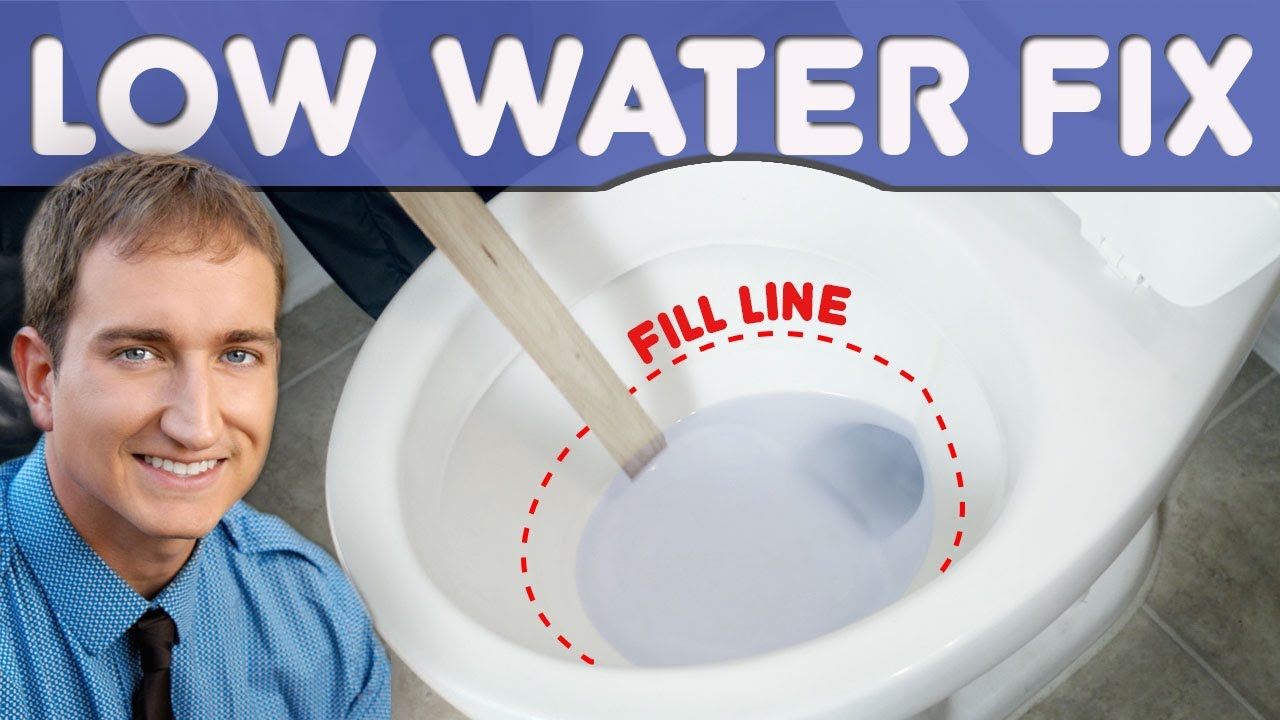
Have you noticed your toilet bowl water level dropping lower than usual? It might seem like a small issue, but low water in your toilet can cause bigger problems than you think.
From unpleasant odors to weak flushing, this simple sign could mean your toilet needs attention. You’ll discover why your toilet bowl water is low and what you can do to fix it quickly. Keep reading to save yourself time, avoid costly repairs, and keep your bathroom running smoothly.
Causes Of Low Water Level
Low water level in the toilet bowl is a common problem. It affects how well the toilet flushes. Understanding the causes helps fix the issue quickly. Several factors can lead to this problem.
Faulty Fill Valve
The fill valve controls water flow into the tank. A faulty fill valve may not fill the tank fully. This results in less water entering the bowl. Over time, wear or dirt can cause the valve to fail. Replacing or adjusting the valve often solves low water level issues.
Clogged Rim Jets
Rim jets are small holes under the toilet rim. They release water during flushing to clean the bowl. If these jets clog with mineral deposits, water flow reduces. This causes a low water level in the bowl. Cleaning the jets can restore proper water flow.
Leaking Flapper
The flapper seals the tank and controls water release. A leaking flapper lets water escape slowly. This lowers the tank’s water level and the bowl’s water level. The leak wastes water and affects flushing. Replacing the flapper stops leaks and fixes water levels.
Incorrect Float Position
The float controls the fill valve’s water shutoff point. If the float is set too low, the tank fills less. This means less water enters the bowl during flushing. Adjusting the float to the correct height increases water level. Proper float position ensures a full flush every time.

Credit: www.youtube.com
Simple Checks Before Repairs
Low water level in a toilet bowl can cause flushing problems. Before calling a plumber, try simple checks yourself. These checks save time and money. They help find the problem quickly. Start with easy steps. You might fix the issue without repairs.
Inspecting The Tank Components
Open the toilet tank lid carefully. Look inside the tank at the parts. Check the water level. It should be about an inch below the overflow tube. If it is too low, the bowl water will be low too.
Look at the float ball or cup. It controls the water level. Make sure it moves freely and is not stuck. If the float is set too low, adjust it higher. Check the fill valve for leaks or damage. Replace if needed.
Testing The Flush Mechanism
Press the flush handle and watch the chain inside. The chain must pull the flapper up fully. If the chain is too loose or too tight, the flapper won’t lift properly.
Check the flapper for wear or warping. A bad flapper can cause low water in the bowl. Replace the flapper if it does not seal well. Make sure the flush mechanism works smoothly without sticking.
Adjusting The Fill Valve
Adjusting the fill valve is a key step to fix low water levels in your toilet bowl. The fill valve controls how much water enters the tank after a flush. If the water level is too low, the toilet won’t flush properly. Adjusting the fill valve helps set the right water level for a strong flush.
Most toilets have an adjustable float attached to the fill valve. This float tells the valve when to stop filling the tank. Raising or lowering the float changes the water level in the bowl. Sometimes, the fill valve itself may wear out and need replacement to work correctly.
Raising The Float
Find the float connected to the fill valve inside the tank. The float can be a ball or a cup shape. Gently lift the float to raise the water level. On some models, a screw adjusts the float height. Turn the screw clockwise to lift the float and increase water volume.
Raising the float lets more water fill the tank. This raises the toilet bowl’s water level. Stop adjusting once the water reaches the correct height. Do not raise the float too high. It may cause water to overflow or waste water.
Replacing A Malfunctioning Valve
Old or damaged fill valves cause low water levels. Signs include constant running water or no refill. Shut off the water supply before replacing the valve. Remove the old valve by disconnecting it from the water line.
Buy a replacement valve that fits your toilet model. Install the new valve following the instructions. Attach the float and adjust it to the right height. Turn the water supply back on and test the flush. The water level should now be steady and correct.
Clearing Blocked Rim Jets
Low water levels in the toilet bowl can be caused by blocked rim jets. These small holes around the toilet rim allow water to flow evenly. When blocked, water flow reduces, causing low water levels. Clearing the rim jets restores proper water flow and fixes the problem. Two effective ways to clear blocked rim jets are using a wire or brush and applying vinegar to remove mineral buildup.
Using A Wire Or Brush
Start by turning off the water supply to the toilet. Use a thin wire or a small brush to gently poke into each rim jet hole. This helps break up any debris or buildup blocking the jets. Push the wire or brush carefully to avoid damaging the rim. After clearing the holes, turn the water back on and flush the toilet. Check if the water flow improves. Repeat if needed for stubborn blockages.
Applying Vinegar For Mineral Buildup
Mineral deposits can clog rim jets over time. Pour white vinegar into the toilet bowl and let it soak around the rim. The vinegar dissolves mineral buildup safely. Leave it to sit for several hours or overnight. Use a brush or wire to clear loosened deposits after soaking. Flush the toilet to rinse away the vinegar and debris. Regular vinegar treatments help keep rim jets clear and water flow strong.
Fixing A Leaking Flapper
A leaking flapper causes low water level in the toilet bowl. It lets water escape from the tank. This slow leak reduces water available for flushing. Fixing the flapper stops the leak and saves water. It also keeps the toilet working well. Understanding how to fix a flapper helps maintain your toilet easily.
Replacing The Flapper
Turn off the water supply to the toilet. Flush the toilet to empty the tank. Remove the old flapper by unhooking it from the flush valve. Take the old flapper to the store to find a matching replacement. Attach the new flapper onto the flush valve. Connect the chain to the flush handle lever. Make sure the flapper moves freely up and down.
Ensuring Proper Seal
Check the flapper’s rubber edge for damage or dirt. Clean the area around the flush valve. Press the flapper down to create a tight seal. The flapper must sit evenly on the valve seat. Adjust the chain length if the flapper doesn’t close fully. Test by flushing and watching for leaks. A good seal keeps water in the tank until you flush.
Credit: www.youtube.com
Preventing Future Issues
Preventing low water levels in your toilet bowl helps avoid costly repairs. It keeps your bathroom clean and fresh. Simple care steps can stop problems before they start.
Regular Cleaning Tips
Clean the toilet bowl once a week. Use a brush and a gentle cleaner. Focus on the water line and under the rim. This stops mineral buildup that lowers water levels. Avoid harsh chemicals. They can damage parts inside the tank. Wipe the flush holes gently to keep them clear. Clear holes mean better water flow and proper bowl fill.
Routine Maintenance Schedule
Check the toilet tank parts every month. Look for worn or broken parts like flappers and fill valves. Replace any parts that look old or damaged. Test the water level in the tank. Adjust the float if water is too low. Proper tank water means the bowl fills right. Keep an eye on leaks or slow refills. Fixing small issues early saves time and money.
When To Call A Plumber
Low water levels in the toilet bowl can cause frustration and hygiene issues. Some problems are easy to fix, but others need professional help. Knowing when to call a plumber saves time and prevents damage.
Persistent Low Water Levels
If the water level stays low after several attempts to fix it, call a plumber. A persistent issue may mean a hidden leak or a faulty valve. Avoid using harsh chemicals that might damage the toilet. A plumber can find the root cause and fix it safely.
Complex Internal Tank Problems
The toilet tank has many parts working together to control water flow. Problems inside the tank, like a broken flapper or fill valve, can cause low water levels. These parts are tricky to repair without experience. A plumber knows how to replace or adjust these parts properly. This ensures the toilet works well and prevents future problems.

Credit: designlab.lt
Frequently Asked Questions
Why Is The Water Level Low In My Toilet Bowl?
Low water in the toilet bowl usually means a leak or blockage. It can also happen if the fill valve is set too low. Check these parts to find the cause.
How Can I Fix A Low Water Level In The Toilet Bowl?
Adjust the float arm or fill valve to raise the water level. Clear any clogs in the trap or vent pipe. Replace faulty parts if needed.
Does Low Water In The Toilet Bowl Cause Bad Smells?
Yes, low water can let sewer gas enter the bathroom. The water acts as a barrier to block odors. Fixing the water level helps stop the smell.
Can A Clogged Vent Pipe Cause Low Toilet Bowl Water?
Yes, a blocked vent pipe can affect water flow and level. It stops air from entering the drain system. This causes slow drains and low bowl water.
Is Low Water Level Wasteful Or Harmful?
Low water can lead to poor flushing and more clogs. It may cause the toilet to run longer, wasting water. Fixing it saves water and avoids damage.
How Often Should I Check The Water Level In My Toilet?
Check the water level once a month to catch problems early. Keeping the right level ensures good flushing and no leaks. It’s a quick way to maintain your toilet.
Can Hard Water Cause Low Water In The Toilet Bowl?
Hard water can cause mineral buildup in the bowl and pipes. This buildup can lower the water level over time. Cleaning the bowl and parts helps keep water level normal.
Conclusion
Low water level in your toilet bowl can cause many problems. It may lead to weak flushing and bad odors. Checking the water level regularly helps keep your toilet working well. Small fixes like adjusting the float or cleaning the jets can make a big difference.
Don’t ignore this issue; it can get worse over time. A well-maintained toilet saves water and avoids costly repairs. Keep an eye on the water level for a clean, fresh bathroom. Simple steps protect your home and give peace of mind.