
Are you unsure whether to choose a 3 inch or 4 inch flue for your water heater? Picking the right size might seem simple, but it can make a big difference in how well your water heater works and how safe your home stays.
You want to avoid problems like poor ventilation, energy loss, or even dangerous gas buildup. You’ll discover the key factors that will help you decide the perfect flue size for your water heater. Keep reading to make a smart choice that saves you money and gives you peace of mind.

Credit: www.reddit.com
Flue Basics
A flue is a pipe that carries gases from a water heater outside your home. It helps keep your house safe by removing harmful smoke and fumes. Choosing the right flue size is important for your water heater’s efficiency and safety.
This section explains the basics of flues and why their size matters.
Purpose Of A Flue
The flue removes dangerous gases produced by burning fuel. These gases include carbon monoxide and other harmful fumes. Without a flue, these gases would build up inside your home. This can cause health problems or even death. The flue also helps your water heater work better by allowing air to flow properly. It keeps your home safe and your water heater running smoothly.
How Flue Size Affects Performance
The size of the flue affects how well it removes gases. A flue that is too small can cause smoke to back up into your house. This can be dangerous and damage your water heater. A flue that is too large may not create enough draft. This means gases stay inside longer and the heater works less efficiently. A properly sized flue improves safety and saves energy. Most water heaters need either a 3-inch or 4-inch flue. Choosing the right size ensures the best performance and safety for your home.
Water Heater Flue Sizes
Choosing the right flue size for your water heater is important. The flue carries harmful gases safely out of your home. Using the correct size helps your water heater work well and stay safe. Understanding the common sizes and their differences makes it easier to pick the right one.
Common Flue Sizes
Most water heaters use either a 3 inch or 4 inch flue. These sizes refer to the diameter of the pipe that vents gases. A 3 inch flue fits smaller, low-output heaters. The 4 inch flue works for larger heaters with higher heat output. Some heaters may use other sizes, but 3 and 4 inches are the most common.
Differences Between 3 Inch And 4 Inch Flues
A 3 inch flue has a smaller diameter. It moves exhaust gases out at a slower rate. It is best for compact water heaters. The 4 inch flue has a wider pipe. It allows more gas to escape quickly. This size suits bigger water heaters with stronger flames. Choosing the wrong size can cause poor venting or wasted energy. The 4 inch flue also reduces the chance of blockages. Always match the flue size with your water heater’s specifications.
Choosing The Right Flue Size
Choosing the right flue size for your water heater is very important. The flue carries harmful gases out of your home safely. Using the wrong size can cause poor ventilation or safety risks. It also affects how well your water heater works. Knowing the right flue size helps protect your home and family.
Factors Influencing Flue Size
The size of the flue depends on several factors. The type of water heater plays a role. Gas or oil heaters need different flue sizes. The length and height of the flue pipe also matter. Longer pipes need larger diameters for proper airflow. The material of the flue pipe can affect size too. Proper sizing ensures safe removal of gases.
Impact Of Water Heater Capacity
The bigger the water heater, the larger the flue needed. A small heater might only need a 3 inch flue. Larger units often require a 4 inch flue. The capacity affects how much exhaust gas is produced. More gas means a bigger flue is necessary. Always match the flue size to the heater’s output.
Local Building Codes And Regulations
Building codes set rules for flue sizes. These rules protect your home and health. Codes vary by city and state. Check local regulations before installing a flue. Using the wrong size can cause fines or fail inspections. Follow codes carefully for a safe and legal installation.

Credit: diy.stackexchange.com
Installation Tips
Installing the right flue for your water heater is crucial for safety and efficiency. Choosing between a 3 inch or 4 inch flue depends on your water heater’s size and venting needs. Proper installation ensures good airflow and prevents dangerous gases from entering your home. Follow these installation tips for a safe and effective setup.
Proper Flue Placement
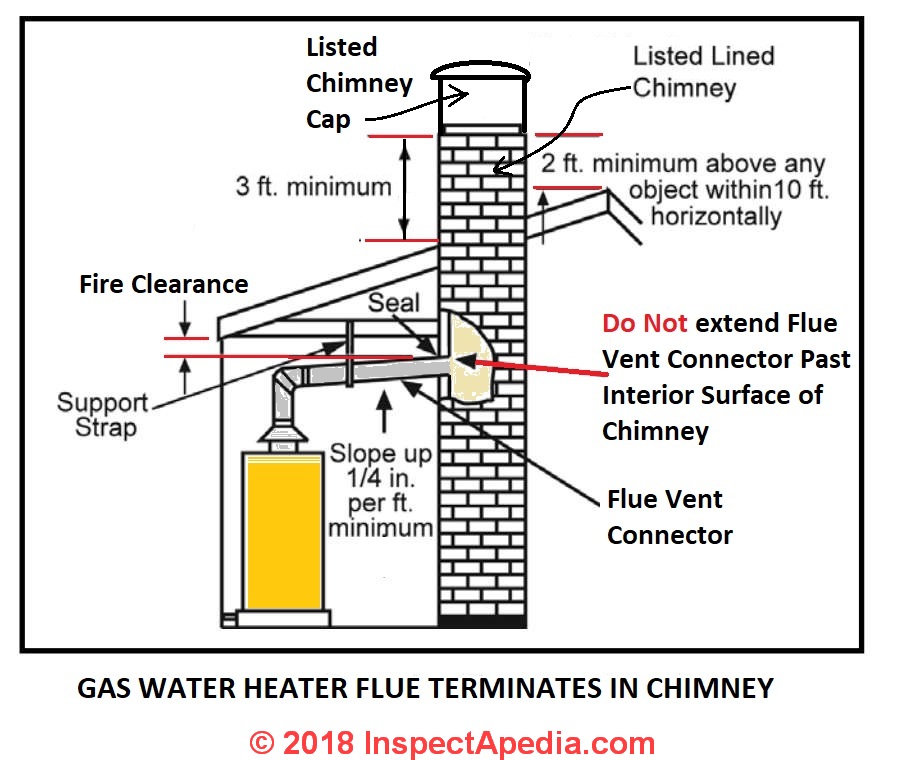
Place the flue straight and vertical to allow gases to rise easily. Avoid sharp bends or long horizontal runs. Keep the flue away from windows, doors, and air intakes. Ensure it extends above the roofline to clear any obstacles. Proper placement helps prevent backdraft and improves venting performance.
Sealing And Insulation
Seal all joints tightly with high-temperature sealant or tape. Check for leaks that could let gases escape. Insulate the flue pipe in cold areas to prevent condensation and rust. Use materials designed for high heat resistance. Good sealing and insulation increase safety and extend the flue’s life.
Safety Considerations
Maintain clearance from combustible materials as per local codes. Use proper supports to keep the flue stable and secure. Install a carbon monoxide detector near the water heater. Schedule regular inspections to catch any problems early. Safety measures protect your home and family from hazards.
Troubleshooting Flue Issues
Troubleshooting flue issues is essential for a safe and efficient water heater. The flue carries harmful gases outside your home. Problems with the flue can cause dangerous leaks or reduce heater performance. Identifying these issues early helps avoid costly repairs and health risks.
Signs Of Incorrect Flue Size
A flue that is too small or too large affects water heater function. Look for yellow or flickering flames. These often mean poor combustion. Soot buildup around the heater or vent openings is another sign. A flue that is too large may cause heat loss. A flue that is too small can cause backdrafting. Both conditions reduce efficiency and safety.
Common Flue Problems
Blockages are common flue problems. Leaves, birds’ nests, or debris can clog the flue. This stops gases from escaping. Corrosion and rust weaken flue pipes over time. Cracks or holes in the flue allow leaks. Loose or disconnected flue sections cause gas leaks. These problems may cause carbon monoxide to enter your home.
When To Call A Professional
Call a professional if you notice signs of flue problems. Strange smells, soot, or poor heater performance need expert attention. Never try to fix flue damage yourself. A certified technician can measure flue size and inspect the whole system. They ensure your water heater is safe and working well.
Credit: inspectapedia.com
Frequently Asked Questions
What Size Flue Does A Typical Water Heater Need?
Most water heaters require either a 3 inch or 4 inch flue size. The correct size depends on the unit’s BTU rating and venting needs. Using the right size ensures safe and efficient venting.
How Do I Choose Between A 3 Inch And 4 Inch Flue?
Check your water heater’s specifications for the required flue diameter. Smaller units often use 3 inch flues, while larger ones need 4 inch. Proper sizing helps prevent dangerous gas buildup.
Can A 3 Inch Flue Handle All Water Heaters?
No, a 3 inch flue suits only smaller water heaters with lower BTU output. Larger heaters require a 4 inch flue to vent exhaust safely. Using a too-small flue can cause poor ventilation.
Does Flue Size Affect Water Heater Efficiency?
Yes, the right flue size promotes good airflow and exhaust removal. Correct venting helps the heater run efficiently and safely. Too small or large flues can reduce performance.
What Risks Come From Using The Wrong Flue Size?
Wrong flue sizes can cause exhaust gases to leak into your home. This creates a serious health hazard due to carbon monoxide exposure. Proper sizing is key to safety.
Can I Install A 4 Inch Flue Instead Of 3 Inch?
Only if your water heater manufacturer allows it. Oversizing flues can reduce draft and cause venting problems. Always follow the heater’s installation guide for flue size.
How To Measure My Water Heater’s Flue Size Correctly?
Look at the vent pipe connected to your water heater. Measure the diameter across the pipe’s inside edge. This number usually matches the required flue size.
Conclusion
Choosing the right flue size matters for your water heater’s safety and efficiency. A 3-inch flue fits smaller heaters with less heat output. A 4-inch flue works better for larger heaters or longer vent runs. Check your water heater’s manual to find the right size.
Installing the correct flue helps prevent smoke and gas leaks. It also improves how well your heater works. Take your time to pick the right flue size. Doing this keeps your home safe and warm.