
If you’re thinking about using a water powered sump pump, it’s important to know what might not work in your favor. While these pumps seem like a smart, eco-friendly choice, they come with some hidden drawbacks that could affect your home’s safety and your peace of mind.
Before you make a decision, you need to understand the potential risks and limitations. Keep reading to discover the key disadvantages of water powered sump pumps—and find out if they’re really the right fit for your needs.
Limited Water Supply
Water powered sump pumps rely heavily on a steady water supply to work properly. This dependence can limit their effectiveness in certain situations. Without enough water pressure or volume, these pumps may not perform as needed. This section explores the challenges linked to limited water supply.
Dependence On Municipal Water
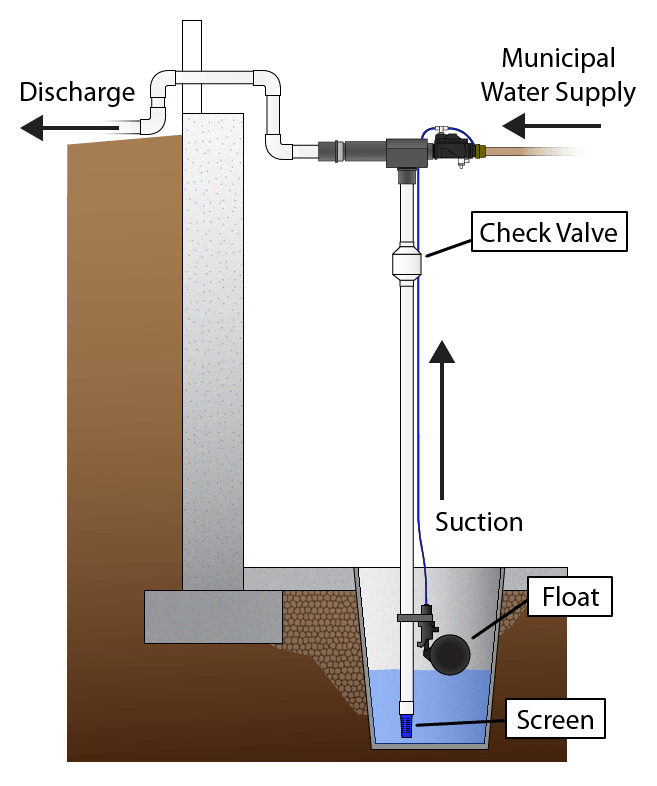
Most water powered sump pumps need municipal water to operate. They use this water’s pressure to push out sump water. If the municipal supply is weak or interrupted, the pump cannot work. Homes without city water face difficulty using these pumps. Well water or other sources often do not provide enough pressure. This reliance reduces the pump’s reliability in some areas.
Impact Of Water Restrictions
Water restrictions affect the use of water powered sump pumps. Many cities limit water use during droughts or emergencies. Under these rules, non-essential water use is prohibited. Running a sump pump powered by water may be seen as non-essential. This can force homeowners to turn off their pumps. Such restrictions increase the risk of basement flooding during storms. Limited water supply from restrictions lowers the pump’s usability.

Credit: www.waterdamagedefense.com
High Water Usage
Water powered sump pumps use a lot of water to work. This high water usage can cause problems for many homeowners. It is important to understand how this affects your costs and the environment.
Increased Utility Bills
Water powered sump pumps consume more water than electric pumps. This increase leads to higher water bills. The pump runs often during heavy rain or flooding. Each time, it uses water from your home supply. Over time, this adds up to a noticeable cost. For households on tight budgets, this can be a big issue.
Environmental Concerns
Using large amounts of water wastes a valuable resource. Many regions face water shortages and droughts. High water use pumps increase stress on local water supplies. This can harm plants, animals, and the community. Wastewater from the pump may also affect local water quality. Choosing pumps with lower water use helps protect the environment.
Reduced Pump Efficiency
Water powered sump pumps rely on water flow to push out water from basements. This design can lower the pump’s efficiency in some situations. The pump’s power depends directly on the water pressure. If the pressure drops, the pump works less effectively. This leads to slower water removal and possible flooding risks. Understanding these limits helps to decide if this pump suits your needs.
Low Water Pressure Effects
Low water pressure reduces the pump’s ability to move water fast. The pump needs steady, strong pressure to push water out quickly. Without enough pressure, it struggles to clear water from the sump pit. This can cause water to build up and flood the basement. Homes with weak water pressure may find the pump less reliable.
Performance During Droughts
During droughts, water pressure often drops significantly. This affects the pump’s power and speed. Less water flow means the pump cannot remove water efficiently. This can lead to water staying in the basement longer. For areas prone to drought, water powered pumps may not be the best choice.

Credit: www.waterdamagedefense.com
Installation Challenges
Installing a water powered sump pump can be tough. These pumps need special setups that differ from regular electric ones. The process can take more time and skill. Some homeowners find it hard to fit the pump into their current system. It requires careful planning and sometimes extra parts.
Complex Plumbing Requirements
Water powered sump pumps rely on your home’s water pressure. This means new plumbing lines must be added. These lines connect the pump to your water supply. It is not as simple as plugging in an electric pump. The pipes must be sized correctly to work well. Poor plumbing can cause low pressure and reduce pump power. Often, this work needs a professional plumber. Mistakes can cause leaks or damage to your home.
Compatibility With Existing Systems
Many homes have older sump pump systems. Water powered pumps may not fit these setups easily. The system must handle the extra water flow. Sometimes, the existing sump pit is too small. The pump may need a larger basin or different fittings. Your home’s water pressure must be strong enough to power the pump. Without it, the pump won’t work properly. Checking compatibility before installation saves time and money.
Maintenance And Reliability Issues
Water powered sump pumps face several maintenance and reliability challenges. These issues can affect their performance and lifespan. Understanding these drawbacks helps in making a better choice for your home.
Susceptibility To Clogs
Water powered sump pumps often get clogged by debris and dirt. Small particles can block the water flow, reducing pump efficiency. Regular cleaning is necessary to avoid these blockages. Clogs can cause the pump to stop working suddenly.
Leaves, mud, and small stones are common culprits. They enter the system through the water source or the sump pit. If not cleared, clogs lead to costly repairs or replacements. Users must inspect the pump and pipes frequently.
Potential For Mechanical Failures
The moving parts in water powered pumps wear out over time. Mechanical failures are common due to constant water pressure and flow. Seals, valves, and diaphragms may break or leak. This results in decreased pump performance or total failure.
Repairs can be difficult and require special parts. Mechanical issues might leave your basement unprotected during heavy rain. Regular maintenance checks can catch problems early. Still, these pumps are less reliable than electric models in some cases.
Safety And Regulatory Concerns
Water powered sump pumps have unique safety and regulatory challenges. These concerns affect their installation and daily use. Understanding these issues helps avoid costly problems and ensures safe operation.
Backflow Risks
Water powered sump pumps can cause backflow issues. Backflow happens when water flows back into the clean water supply. This can contaminate drinking water and create health hazards. Proper backflow prevention devices must be installed. Without these devices, the risk of contamination rises significantly.
Compliance With Local Codes
Many areas have strict rules about sump pump installation. Water powered pumps may not meet all local plumbing codes. Some codes require electric pumps or specific backflow prevention systems. Failing to comply can lead to fines or forced removal. Always check local regulations before installation to avoid problems.
Cost Considerations
Cost is a key factor in choosing a water powered sump pump. It affects both the start and ongoing use of the pump. Knowing these costs helps plan your budget well.
Initial Investment
Water powered sump pumps cost more than electric models at first. The price includes the pump itself and special plumbing parts. Installation might need a plumber, adding to the cost. Some homes need extra work to fit the system. This raises the total price before the pump starts working.
Long-term Expenses
Water powered pumps use water to run, which can increase your water bill. The pump may use a lot of water, especially during heavy rain. Repairs and maintenance also add to the cost over time. Replacement parts can be expensive and hard to find. These ongoing costs should be part of your decision.
Credit: www.watercommander.com
Frequently Asked Questions
What Are The Main Drawbacks Of Water Powered Sump Pumps?
Water powered sump pumps rely on water pressure, which can be low or inconsistent. They may waste water and increase your water bill. Also, they tend to be less powerful than electric pumps.
How Does Water Pressure Affect Sump Pump Performance?
Low water pressure reduces the pump’s ability to remove water quickly. This can lead to flooding during heavy rain. Consistent pressure is needed for the pump to work well.
Why Do Water Powered Sump Pumps Waste Water?
These pumps use water to create suction and push out sump water. This process uses more water than electric pumps. The wasted water can add up, raising costs.
Are Water Powered Sump Pumps Reliable During Power Outages?
Yes, they do not need electricity, so they work during power failures. This is a key advantage over electric sump pumps. But they still need adequate water pressure.
Can Water Powered Sump Pumps Handle Large Volumes Of Water?
They usually struggle with very high volumes or fast flooding. Their flow rate is limited by water pressure and design. For heavy flooding, electric pumps may be better.
Do Water Powered Sump Pumps Require Much Maintenance?
Maintenance is generally low but not zero. Filters and valves need cleaning to keep water flowing. Checking for leaks and blockages is important.
Is Installing A Water Powered Sump Pump Complicated?
Installation can be tricky because it needs a good water supply line. Plumbing knowledge is helpful to avoid leaks and pressure loss. Many homeowners hire professionals for installation.
Conclusion
Water powered sump pumps have clear drawbacks. They rely on water pressure, which may be low or inconsistent. These pumps can increase your water bills over time. They might not work well during a water outage or drought. Also, they may not remove water as quickly as electric pumps.
Maintenance can be tricky and costly. Understanding these disadvantages helps you choose the right sump pump. Always weigh pros and cons before buying. Your home’s safety depends on a reliable pump. Choose wisely to avoid surprises later.