When it comes to heating your home’s water, you want a system that’s reliable and efficient. But have you ever stopped to think about the downsides of an indirect water heater?
You might assume it’s the best choice, but there are hidden drawbacks that could affect your comfort and wallet. If you’re considering an indirect water heater, understanding these disadvantages now can save you headaches later. Keep reading to discover what you need to watch out for before making your decision.
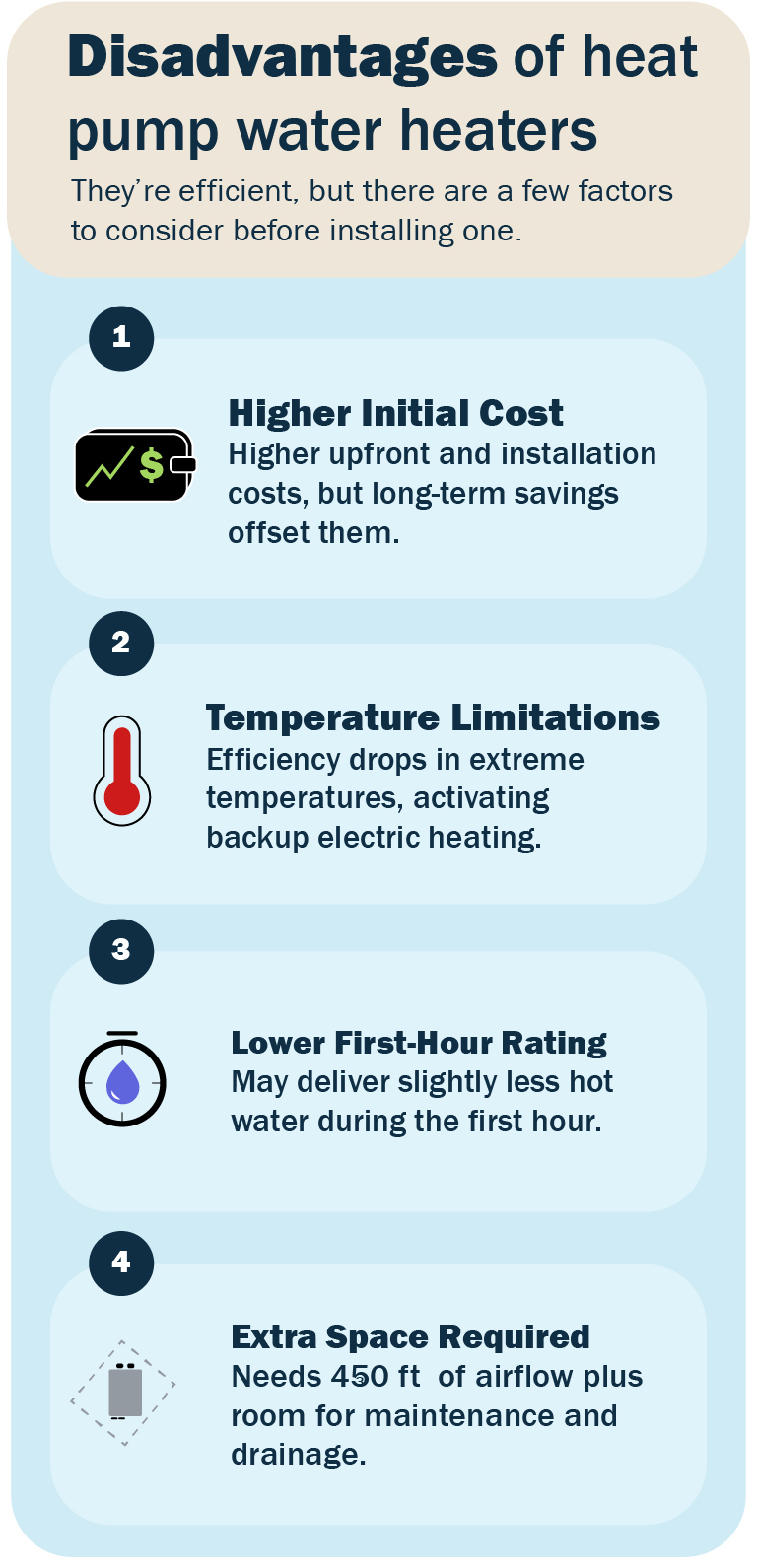
Higher Initial Cost
Indirect water heaters often cost more at the start. The initial price can be higher than other types of water heaters. This can be a concern for many homeowners.
Higher upfront costs mean a bigger investment before any savings. The unit itself can be more expensive due to its design and materials. Installation also tends to require more work, raising the total cost.
The system uses a boiler or furnace to heat water. This setup needs extra parts and connections. These factors add to the initial expense.
Cost Of The Unit
Indirect water heaters have complex designs. This complexity raises the manufacturing cost. The tank and heat exchanger are often made from durable metals. These materials add to the price.
Installation Expenses
Installing an indirect water heater needs skilled labor. Plumbers and HVAC technicians may charge more for this work. The system must connect to a boiler or furnace. Extra pipes and fittings increase the installation time and cost.
Additional Equipment Costs
Sometimes, older boilers need upgrades to work with indirect heaters. New controls or pumps might be necessary. These extra parts can increase the initial spending.
Complex Installation Process
Installing an indirect water heater can be a tough task. It is not as simple as hooking up a regular water heater. This process needs careful planning and skills. Many homeowners face challenges during installation due to the system’s complexity.
The indirect water heater uses your home’s boiler to heat water. This setup requires connecting the heater to the boiler and the plumbing system. The installer must ensure all parts work well together for safety and efficiency.
Specialized Plumbing Requirements
The installation needs extra plumbing work. Pipes must connect the boiler to the water heater. The installer must fit special valves and controls. This adds time and cost to the project.
Need For Professional Installation
Experts should handle the setup. Mistakes can cause leaks or poor heating. Professionals know how to set the system correctly and safely.
Space And Location Challenges
The indirect heater needs a specific place near the boiler. This space must allow easy access for maintenance. Finding the right spot in small homes is often hard.
Dependence On Boiler Efficiency
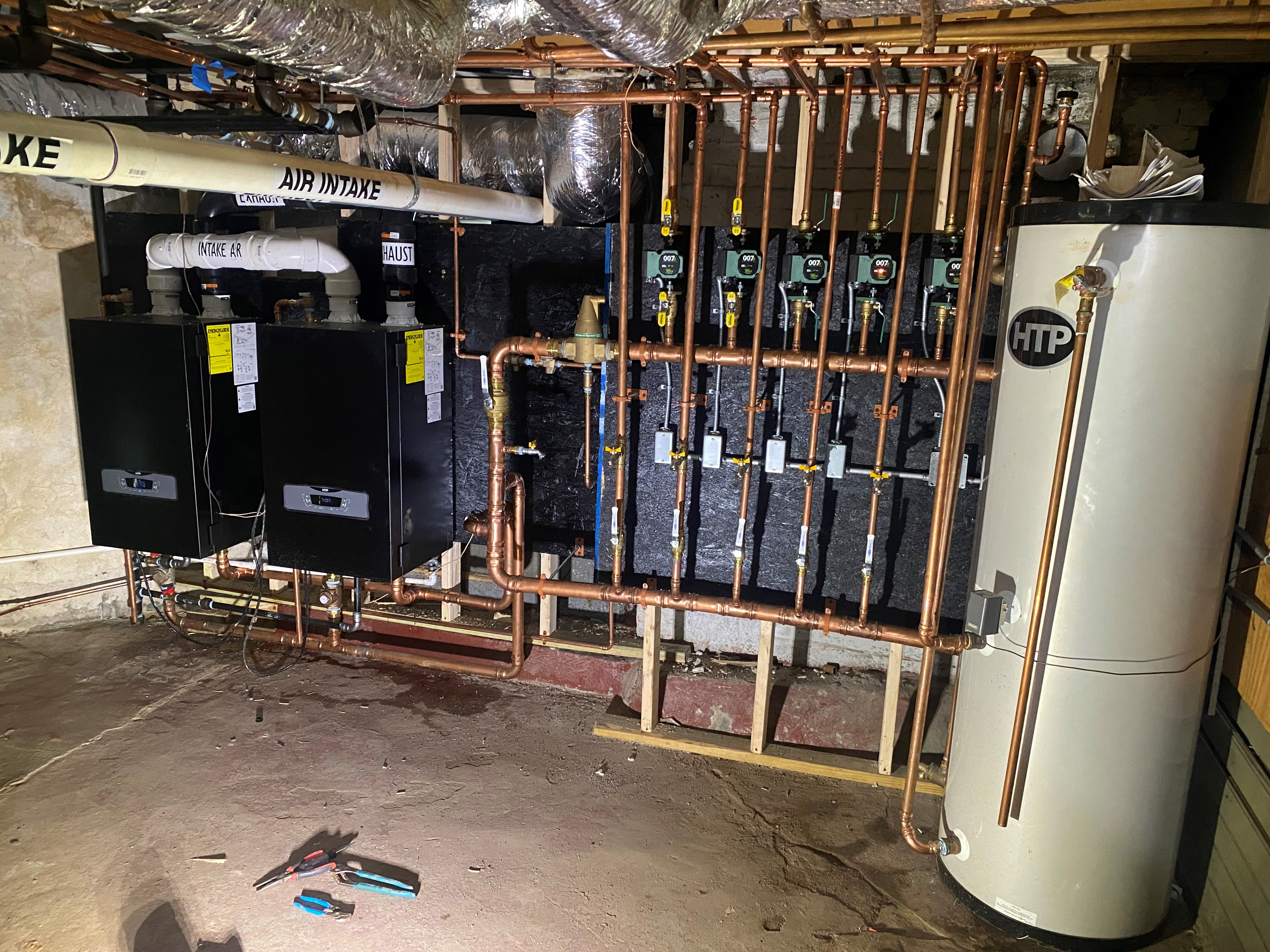
Indirect water heaters rely heavily on the efficiency of the boiler. The boiler heats water that flows through the indirect water heater’s coil. If the boiler is not efficient, the water heater will not perform well. This dependency can cause problems in homes with older or poorly maintained boilers.
A less efficient boiler means it takes longer to heat water. This can lead to delays in getting hot water at the tap. Homeowners may notice that hot water runs out quickly or takes a long time to arrive. This can be frustrating, especially during busy times like mornings.
Boiler efficiency also affects energy bills. A boiler that uses more fuel to heat water raises costs. Over time, this adds up and makes the heating system more expensive to run. People expect savings from indirect water heaters, but poor boiler efficiency can reduce these benefits.
Impact Of Boiler Age On Water Heater Performance
Older boilers usually have lower efficiency ratings. They lose more heat and use more fuel. This means indirect water heaters connected to old boilers cannot work at full capacity. Replacing or upgrading the boiler is often necessary for better water heating.
Maintenance Needs And Their Effect On Efficiency
Regular boiler maintenance keeps efficiency high. Dirt, rust, and scale buildup lower boiler performance. Neglecting maintenance can cause the boiler to consume more energy. This directly affects the indirect water heater’s ability to provide hot water quickly.
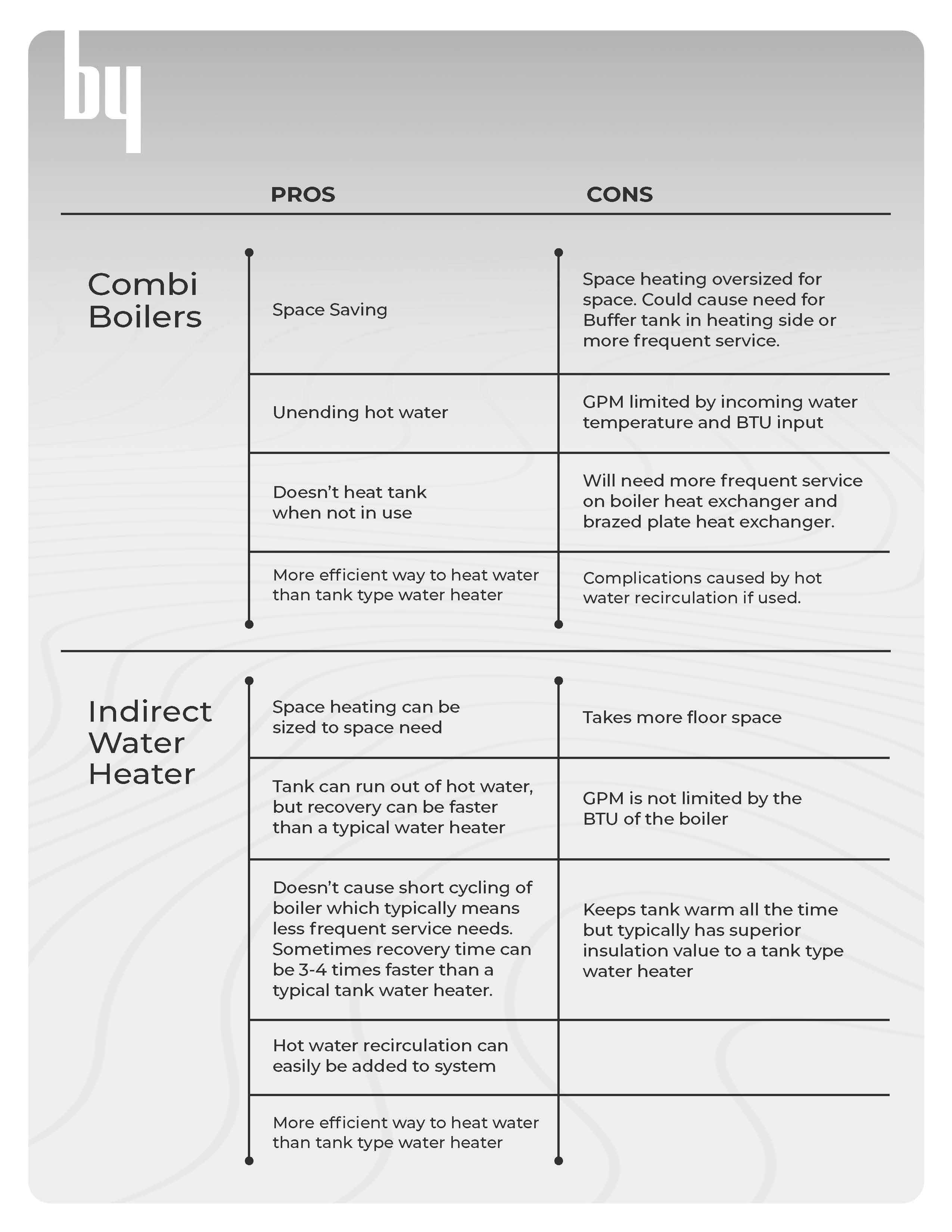
Limitations In System Flexibility
The indirect water heater’s output depends on boiler operation. If the boiler shuts down or malfunctions, no hot water is produced. This makes the system less flexible than tankless or electric water heaters that work independently of boilers.
Credit: www.behler-young.com
Limited Heat Source Options
Indirect water heaters rely on a separate boiler or heat source to warm the water. This setup limits the choices for heat sources. The system cannot use every type of heating option available.
Many indirect water heaters depend on traditional boilers. These boilers usually run on natural gas, oil, or electricity. Alternative heat sources like solar or heat pumps are often not compatible.
Restricted Compatibility With Heat Sources
Indirect water heaters often need a specific boiler type. Some modern heat sources do not work well with these systems. This restricts your ability to choose newer, cleaner heating options.
Challenges Using Renewable Energy
Solar panels or heat pumps are popular renewable heat sources. Indirect water heaters rarely support these options fully. This limits the use of eco-friendly energy for water heating.
The water heating depends on the boiler’s performance. If the boiler is old or inefficient, the water heater will be less effective. This can increase energy costs and reduce comfort.
Potential For Heat Loss
Indirect water heaters rely on a heat source separate from the tank. This setup can cause heat to escape during the transfer. Heat loss reduces the system’s overall efficiency and raises energy costs.
Heat loss happens mainly through the tank walls and piping. The water inside cools down faster than expected. This means the heater works harder to keep water hot.
Heat Loss Through Tank Insulation
The tank needs good insulation to keep heat inside. Poor insulation lets heat escape into the surrounding air. This loss wastes energy and increases utility bills.
Heat Loss In Piping Systems
Water moves through pipes from the heat source to the tank. Pipes without insulation lose heat along the way. This causes the water to cool before reaching the tank.
Impact On Energy Efficiency
Heat loss lowers the system’s energy efficiency. The heater uses more fuel or electricity to maintain hot water. This inefficiency can lead to higher monthly expenses.
Effect On Water Temperature Consistency
Heat loss causes uneven water temperatures. Hot water may run out faster than expected. This inconsistency can frustrate users and reduce comfort.
Credit: www.phcppros.com
Maintenance Challenges
Indirect water heaters need regular care to work well over time. Their maintenance can be tricky, causing issues for many homeowners. Small problems often grow bigger if not addressed early. Understanding these challenges helps prepare for the effort involved.
Complex System Components
Indirect water heaters have many parts working together. The tank, heat exchanger, and boiler all must function properly. Checking each piece takes time and skill. This complexity increases the chance of missing a hidden problem.
Difficult Access For Repairs
Many parts are hard to reach inside the heater. This makes repairs slow and costly. Technicians need special tools to fix certain areas. Homeowners cannot easily do small fixes themselves.
Risk Of Sediment Buildup
Minerals in water settle at the tank bottom. Over time, sediment reduces heater efficiency. Removing it requires draining and cleaning the tank. Skipping this step may cause damage or leaks.
Annual Professional Inspection Needed
Experts recommend yearly checks for indirect water heaters. They spot wear and tear before failures occur. This adds to the overall maintenance cost. Ignoring inspections risks sudden breakdowns.
Slower Hot Water Recovery
Slower hot water recovery is a common drawback of indirect water heaters. This means the system takes more time to heat water after the supply runs out. It can affect daily routines, especially during busy mornings or evenings.
Unlike direct water heaters, indirect models rely on a boiler or furnace to heat water. The heat transfers through a coil inside the tank. This process is slower compared to direct heating elements.
When hot water finishes, the tank must refill and wait for the boiler to heat it again. This wait can take several minutes, causing delays in access to hot water. People may notice longer shower times or cold bursts.
Impact On Household Convenience
Longer recovery times can disrupt daily activities. Washing dishes or laundry may take more time. This can be frustrating in homes with many people.
Energy Use And Efficiency
Slower recovery means the boiler runs longer. This can increase energy consumption. It also leads to higher utility bills over time.
Suitability For High Demand
Indirect water heaters may not fit well in large homes. High water demand causes delays in hot water availability. Multiple users may experience cold water during peak times.
Space Requirements
Indirect water heaters need more space than direct ones. They require room for both the heater and the boiler system. This can be a problem in small homes or tight spaces.
Space Needs For Installation
Indirect water heaters require more space than other types. They need a large tank and a separate boiler or heat source. This setup takes up room in basements or utility rooms.
Homeowners with limited space may struggle to find a good spot. The system cannot be crammed into small areas. Proper clearance around the unit is necessary for safety and maintenance.
Impact On Small Homes
Small homes often have less room for bulky equipment. An indirect water heater may reduce available storage or living space. This can be inconvenient and reduce home comfort.
Planning is essential for tight spaces. Sometimes, alternative water heating options are better suited for small homes.
Maintenance Space Requirements
Indirect water heaters require regular servicing. Technicians need enough space to access pipes and controls. Cramped installations can make repairs difficult and increase service costs.
Keeping a clear area around the heater helps with quick inspections and fixes. This is important for long-term system performance and safety.
Compatibility Issues
Compatibility issues can limit the use of indirect water heaters. These heaters rely on an external heat source. Not all heating systems work well with them. This can cause problems during installation and operation.
Choosing the wrong system can lead to poor performance. It can also cause damage to the water heater or the heating source. Understanding compatibility is crucial before installation.
Indirect water heaters need a compatible boiler or furnace. Some boilers do not transfer heat efficiently to these heaters. This mismatch lowers heating speed and water temperature. It may also increase energy costs and wear out equipment faster.
Not all plumbing setups fit indirect water heaters easily. The heater needs space for pipes and connections. Old or small plumbing may not support the system. Changing plumbing can add to installation time and cost.
Control units must work well with the home’s heating controls. Some indirect heaters require special thermostats or sensors. Older homes may lack these controls. This can limit how well the system functions.
Credit: www.hotwater.com
Risk Of System Failure
The risk of system failure is a major concern with indirect water heaters. These systems rely on multiple parts working together perfectly. If one part breaks, the whole system can stop working.
System failure can cause no hot water and expensive repairs. The complexity of indirect water heaters increases the chance of problems. Regular maintenance is needed to reduce this risk.
Complex Components Increase Failure Chances
Indirect water heaters have many parts like pumps, valves, and heat exchangers. Each part can wear out or break over time. More parts mean more chances for something to go wrong.
Dependency On Boiler Function
The indirect water heater depends on the boiler to heat water. If the boiler fails, the water heater stops working too. This dependency adds to the risk of system failure.
Costly And Time-consuming Repairs
Fixing a failed indirect water heater is often costly. Diagnosing the issue can take time due to system complexity. This leads to longer downtime without hot water.
Frequently Asked Questions
What Are The Main Disadvantages Of An Indirect Water Heater?
Indirect water heaters depend on a boiler or furnace, so no heat means no hot water. They can be costly to install and require more space than direct heaters.
How Does An Indirect Water Heater Affect Energy Costs?
They can increase energy bills if the boiler runs inefficiently. Heat loss during water transfer may also waste energy.
Is Maintenance More Difficult With Indirect Water Heaters?
Yes, indirect systems need regular boiler and tank maintenance. This can be more complex than direct water heater care.
Can Indirect Water Heaters Provide Instant Hot Water?
No, they usually have a delay since water heats indirectly. This may cause waiting times for hot water.
Are Indirect Water Heaters Suitable For Small Homes?
They often require more space and a boiler, making them less ideal for small homes or apartments.
How Does An Indirect Water Heater Impact Water Temperature Control?
Temperature control can be less precise, depending on the boiler’s settings. It might cause inconsistent hot water.
Do Indirect Water Heaters Have A Shorter Lifespan?
They generally last long but depend on boiler health. Boiler issues can reduce the whole system’s lifespan.
Conclusion
Indirect water heaters have some clear drawbacks to consider. They can cost more upfront than other systems. Installation takes longer and may need extra parts. Maintenance can be tricky, requiring special skills. They rely on a boiler, so if it breaks, no hot water.
Space is also a concern, as these heaters are bulkier. Think carefully before choosing one for your home. Understanding these downsides helps you make a smart decision. Choose the system that fits your needs best.