
You’ve probably seen them. Those tiny, almost invisible lines that show up on your walls.
Maybe you’ve noticed them around windows, doors, or just out of the blue. You might be wondering, “Are hairline cracks in my wall normal? ” It’s a common question, and the answer can be a little tricky. Some hairline cracks are perfectly harmless, but others can be a sign of a bigger problem.
Let’s dive in and figure out what those little lines really mean for your home.
Tiny Cracks: Common Or Cause For Alarm?
Tiny cracks in walls. Are they normal? Or a sign of trouble? Let’s explore this common wall concern.
Are Hairline Cracks Common?
Most hairline cracks are normal. Houses settle over time. This movement causes small cracks. They often appear near windows and doors. They are usually superficial. They do not signal major issues.
What Causes These Tiny Cracks?
Building materials expand and contract. This happens with temperature changes. Humidity also plays a role. Plaster and drywall can shift. This creates fine, thin lines. They are a natural part of a home’s life.
When Should You Worry About Small Cracks?
Watch for changes. Are cracks getting wider? Are they growing longer? Do multiple cracks form a pattern? Cracks that widen quickly are concerning. Vertical cracks are often less worrying. Horizontal cracks can indicate foundation problems. Stair-step cracks in brickwork are also a red flag.

Credit: abdrylining.com
Settling Happens: The Science Behind Small Cracks
Settling happens. It’s a natural process. Your home is a living thing. It expands and contracts. This movement causes small cracks. Don’t panic yet. Understanding this is key.
Understanding House Settling
Homes shift over time. This is called settling. It’s completely normal. Many factors cause this. Wood expands and contracts. So does concrete. Temperature changes play a role. Moisture levels also matter.
The Role Of Materials
Building materials are not static. They react to their environment. Wood absorbs moisture. It swells up. Then it dries out. It shrinks back down. Concrete cures over time. It hardens and changes. These changes cause stress.
Environmental Factors
Weather impacts your home. Hot days make materials expand. Cold days make them contract. Heavy rain adds moisture. Drought dries things out. These cycles stress the structure. Small cracks can appear then.
When To Worry: Red Flags For Bigger Problems
Tiny hairline cracks in walls are often normal. Watch for cracks that widen or grow. These could signal a serious structural issue needing attention.
Most hairline cracks are harmless. They are just cosmetic. Some cracks signal deeper issues. You need to watch for warning signs. These signs tell you something is wrong. Your home might have structural problems.The Stair-step Shuffle
Cracks often appear in brick. They run in a stair-step pattern. This is a big red flag. It means the foundation is moving. The movement puts stress on walls. These cracks are not just paint deep. They go through the bricks. This needs immediate attention.Doors And Windows Stick
Do your doors not close right? Do windows feel stuck? This is a serious sign. It means the house is shifting. The frame is no longer square. This movement affects the whole structure. It’s a clear indicator of trouble.Water Woes
Water is a house’s enemy. Cracks can let water in. Look for damp spots on walls. Water stains are a warning. Mold can grow from moisture. Water damage weakens materials. It can lead to rot. This makes structural issues worse.:max_bytes(150000):strip_icc()/repair-cracks-in-plaster-walls-1822837-C-a87b2447927047cabaab69415aee6f98.jpg)
Credit: www.thespruce.com
Types Of Wall Cracks
Understanding wall cracks is key. Not all cracks are the same. Some are simple cosmetic issues. Others signal deeper problems. We will explore different crack types. This helps you know what to watch for.
Hairline Vs. Structural
Hairline cracks are very thin. They look like a strand of hair. These are usually minor. They often result from normal settling. Structural cracks are different. They are wider and deeper. They may show movement. Structural cracks need immediate attention. They can affect your home’s safety.
Vertical Cracks
Vertical cracks run up and down. They often start near windows or doors. These can be caused by stress. The house structure might be shifting. They can also appear from drying. Plaster or drywall shrinks. This creates a vertical line. Monitor these cracks closely.
Horizontal Cracks
Horizontal cracks run side to side. They are often more serious. These cracks can mean foundation problems. Soil pressure can push walls inward. Water damage can also cause them. Look for bulging in the wall. Horizontal cracks demand professional inspection. They are a significant warning sign.
Diy Fixes For Minor Cracks
Hairline cracks in walls are often normal. They can appear due to house settling. Small cracks are usually easy to fix yourself.
Small cracks can seem scary. You might wonder if they are a big problem. Good news. Many hairline cracks are simple fixes. You can do it yourself. This saves time and money. Let’s get started on these easy repairs.Gather Your Tools
You need a few things. Get a putty knife. You also need spackle. Fine-grit sandpaper is helpful. A small paintbrush is necessary. Have a damp cloth ready. These are your repair essentials.Prep The Area
Clean the cracked area. Remove any loose paint or debris. Use your putty knife. Make sure the surface is smooth. Dust it off gently. A clean surface helps the repair stick.Fill And Smooth
Apply spackle to the crack. Use the putty knife. Press it in firmly. Scrape away excess spackle. You want a smooth finish. Let the spackle dry completely. Lightly sand the area. Make it flush with the wall.Paint To Match
Now, paint the repaired spot. Use a small paintbrush. Match the existing wall color. Apply a thin coat first. Let it dry. Add another coat if needed. The crack should disappear. Your wall looks new again.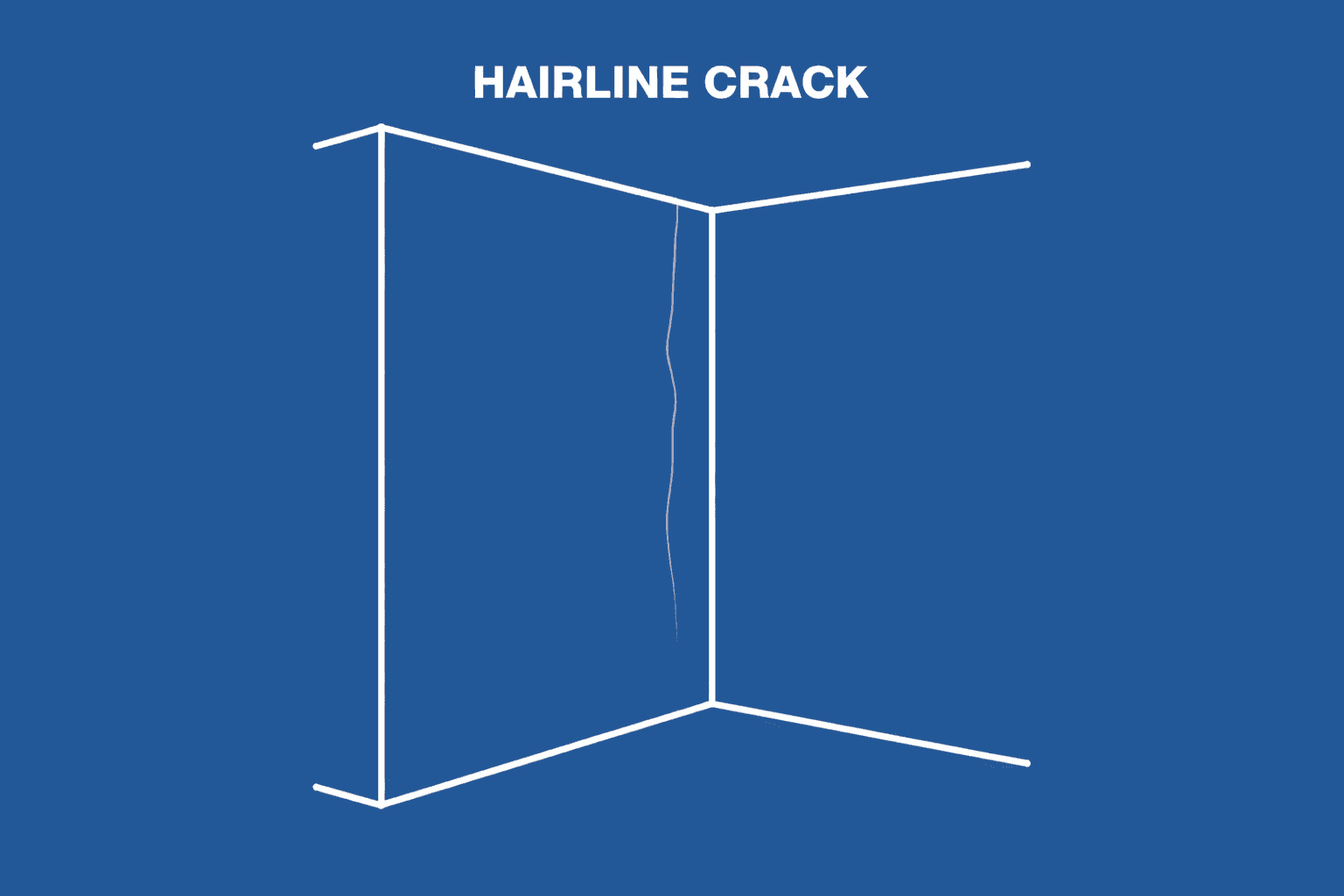
Credit: mainmark.co.uk
When To Call A Pro
Tiny cracks might be okay. Big cracks? Not so much. Knowing when to get expert help is key. It saves you time and money. It also keeps your home safe.
Signs Of Serious Foundation Issues
Your foundation might be failing. Look for large, stair-step cracks. These often cross mortar lines. They are wider than a pencil. Cracks near doors and windows are also bad. They show the house is shifting. Sagging floors are another warning. Uneven walls are a problem too. These signs need immediate attention. A professional can assess the damage.
Water Damage And Moisture Problems
Water causes many wall problems. Look for dark spots or stains. These show water intrusion. Mold growth is a serious sign. It means moisture is trapped. Peeling paint is also common. Dampness weakens drywall. It can damage the structure. Fix water leaks fast. Then, address the wall damage. A pro can find hidden leaks.
Cracks Near Structural Elements
Cracks near beams are concerning. They affect the house’s support. Cracks around chimneys are serious. They can be a fire hazard. Look at cracks near load-bearing walls. These walls hold up the house. Any damage here is critical. Structural cracks need expert repair. Don’t try to fix these yourself. Safety first.
Preventing Future Cracks
Hairline cracks are common. But you can stop new ones. Preventing future cracks is smart. It keeps your home strong. It also looks better.
Manage Moisture
Water causes many problems. Excess moisture weakens walls. Fix leaky pipes quickly. Ventilate bathrooms well. Use exhaust fans often. Check for basement dampness. Dry out wet areas. This stops crack formation.
Temperature Control
Houses expand and contract. Big temperature swings hurt walls. Keep your home’s temperature steady. Avoid extreme heat or cold. Insulate your home properly. This stabilizes wall materials. It reduces stress on plaster.
Foundation Care
Your foundation supports everything. A healthy foundation prevents issues. Ensure good drainage around your home. Direct water away from the foundation. Address foundation settlement promptly. Consult a professional if needed. A stable base means stable walls.
Frequently Asked Questions
Are Hairline Cracks In Walls Common?
Yes, small hairline cracks in walls are quite common. They often appear due to normal house settling. Many factors can cause them.
When Should I Worry About Wall Cracks?
Worry if cracks are wide or deep. Look for cracks that are growing. Signs of water damage also need attention.
What Causes Hairline Cracks In Drywall?
Drywall tape can shrink over time. Temperature changes also cause expansion and contraction. These movements create tiny cracks.
Can I Fix Hairline Wall Cracks Myself?
Yes, you can easily fix them. A bit of spackle and paint works wonders. It’s a simple DIY repair.
How Do I Prevent Wall Cracks?
Proper home insulation helps. Avoid drastic temperature swings inside. Ensure your home’s foundation is stable.
Are Cracks From Settling Dangerous?
Usually, settling cracks are not dangerous. They are a sign of minor movement. Monitor them to see if they worsen.
What’s The Difference Between Normal And Serious Cracks?
Normal cracks are thin and stable. Serious cracks are wide, jagged, or growing. They might indicate structural issues.
Conclusion
Tiny wall cracks are common. They often signal normal settling. Large or growing cracks need attention. Check for moisture or structural issues. Don’t ignore significant damage. Consult a professional if unsure. They can assess your specific situation. Peace of mind is important.
Know your home’s limits.