
Have you ever wondered if it’s illegal to turn off your water supply? Maybe you’re dealing with a tricky neighbor, a landlord, or even a plumbing emergency.
Knowing when you can and cannot shut off water is more important than you might think. It’s not just about convenience—it could affect your rights, your safety, and even your wallet. Keep reading to find out the facts, avoid costly mistakes, and protect yourself in these tricky situations.
Credit: happyhiller.com
Legal Grounds For Water Supply
Water supply laws protect both property owners and tenants. They ensure fair access and prevent illegal shutoffs. Understanding these laws helps avoid disputes and legal trouble.
The legal grounds for water supply depend on roles and responsibilities. Property owners, tenants, and utility companies each have specific duties.
Property Owner Responsibilities
Property owners must keep water services working. They cannot stop water without valid reasons. Maintenance and repairs must be timely. Owners must follow local laws about water supply. Cutting off water to force tenants out is illegal.
Tenant Rights And Obligations
Tenants have the right to safe water. They must pay water bills on time. Tenants cannot damage water systems or waste water. If water is cut off wrongly, tenants can report it. Tenants should know their lease terms about water supply.
Water Utility Company Rules
Utility companies follow strict rules before cutting water. They notify customers in advance. Water shutoffs usually happen for unpaid bills or emergencies. Companies cannot stop water without legal cause. They must restore service quickly after problems.
When Can Water Be Shut Off
Water shut-offs can cause major disruptions in daily life. Understanding when water can be legally turned off helps avoid surprises. The rules vary by location but often focus on specific reasons. Knowing these reasons helps protect your rights.
Nonpayment And Delinquency
Water companies may shut off supply due to unpaid bills. Customers usually receive several notices before service ends. Some states require a waiting period before disconnection. Payment plans might prevent water shut-off during financial hardship.
Emergency Situations
Water can be shut off immediately in emergencies. Examples include water main breaks or contamination risks. Quick shut-offs protect public health and safety. Authorities act fast to prevent damage or illness.
Maintenance And Repairs
Scheduled maintenance may require temporary water shut-offs. Companies notify customers in advance about planned work. Repairs keep water systems safe and reliable. These interruptions usually last only a few hours.
Illegal Water Shutoff Scenarios
Turning off the water supply can cause many problems. Some water shutoffs are illegal. Knowing these illegal scenarios helps protect your rights. Water is essential for daily life and health. Stopping it without good reason can harm people.
Illegal water shutoff happens in different ways. Some actions break the law or local rules. Others are unfair or harmful to certain people. It is important to recognize these cases.
Without Proper Notice
Water providers must warn customers before stopping water. Notice gives time to fix problems or prepare. Shutting off water without warning is illegal. It leaves people without water suddenly. This can be dangerous, especially for families and sick people.
Discrimination And Retaliation
Turning off water based on race, religion, or gender is illegal. Water shutoff cannot punish someone for complaints or legal actions. Such acts violate human rights and fairness. Everyone deserves equal access to water, without bias or fear.
Violation Of Local And State Laws
Many states and cities have rules to protect water access. Shutting off water against these laws is illegal. Some places require payment plans before cutoffs. Others forbid water shutoff during extreme weather or emergencies. Breaking these laws can lead to fines and penalties.
Credit: gopaschal.com
Tenant Protections And Remedies
Tenants have rights when the water supply is turned off illegally. The law protects renters from landlords who cut off water without proper notice or cause. Knowing these protections helps tenants act fast and keep their homes safe.
Water is essential for daily life. Without it, tenants face serious health and safety risks. The law treats shutting off water as a major problem. Tenants can use several remedies to fix the issue quickly.
Legal Actions Tenants Can Take
Tenants can file a complaint in housing court. Courts may order landlords to restore water immediately. Some states allow tenants to withhold rent until water is fixed. Others permit tenants to pay for repairs and deduct costs from rent.
It is important to document the problem. Keep records of all communications and photos. These help prove the landlord acted illegally if the case goes to court.
Contacting Local Authorities
Local health or housing departments enforce water laws. Tenants should report water shutoffs to these offices. Authorities can inspect the property and force landlords to restore water. They may also issue fines or penalties against the landlord.
Quick action by authorities often solves the problem faster than legal cases. Tenants should know their city or county agency that handles these complaints.
Resources For Assistance
Many non-profits and tenant unions offer help. They provide legal advice and support for renters. Some groups can connect tenants with free or low-cost lawyers. Online resources also explain tenant rights clearly.
Using these resources empowers tenants. They avoid feeling alone and confused. Help is available to ensure safe and fair housing for all.
Preventing Unauthorized Water Shutoffs
Unauthorized water shutoffs can cause serious problems for tenants. Preventing these shutoffs protects your access to water and your rights. Knowing how to handle this situation helps you avoid unnecessary stress and inconvenience.
Clear communication, proper documentation, and understanding your lease are key steps. These actions create a strong defense against illegal water shutoffs.
Communication With Landlords
Talk openly with your landlord about water supply issues. Report any concerns about water shutoff threats right away. Keep your tone calm and polite to maintain a good relationship. Request clear answers about why water might be turned off. Regular communication reduces misunderstandings and helps solve problems quickly.
Documenting Agreements And Notices
Always get any promises or notices in writing. Save emails, letters, or texts related to water supply changes. Written proof protects you if disputes arise later. If the landlord sends a notice about shutting off water, keep a copy. Documentation shows you followed rules and stayed informed.
Understanding Your Lease Terms
Read your lease carefully to learn your rights about water use. Check if the lease states when the landlord can turn off water. Some leases require advance notice before any shutoff. Knowing your lease terms helps you challenge illegal water shutoffs. If unclear, ask for help from a tenant rights group or lawyer.
Role Of Government And Regulators
The government and regulators play a key role in managing water supply issues. They set rules to protect consumers from unfair utility practices. These organizations ensure water services stay reliable and safe for everyone.
They also monitor water companies to prevent illegal shut-offs. This oversight helps avoid harm to households and businesses. Regulators work to keep utilities accountable and fair in their operations.
Consumer Protection Agencies
Consumer protection agencies help residents facing water shut-off problems. They listen to complaints and guide consumers on their rights. These agencies act as a bridge between users and utility providers.
They often provide resources to resolve disputes without legal action. Their main goal is to ensure fair treatment for all consumers. They can intervene if a water company violates rules.
Regulations On Utilities
Regulators create laws that water companies must follow. These rules limit when and how providers can stop water service. They require proper notice before any shut-off happens.
Some regulations forbid shutting off water during extreme weather or emergencies. Utilities must offer payment plans to customers in financial trouble. These regulations protect public health and prevent hardship.
Filing Complaints And Appeals
Consumers can file complaints if their water is turned off illegally. Complaints go to utility commissions or consumer protection offices. These bodies review the case and decide on necessary actions.
Appeals allow customers to challenge shut-offs or fees they find unfair. A clear process is in place to ensure fairness and transparency. This system helps maintain trust between users and providers.

Credit: www.wikihow.com
Frequently Asked Questions
Is It Legal To Turn Off Water Supply In An Emergency?
Turning off the water supply in an emergency is usually legal. It helps prevent damage and flooding. Always inform the landlord or authorities if needed.
Who Has The Right To Turn Off My Water Supply?
The property owner or utility company usually has the right. Tenants must not shut off water without permission. Unauthorized shut-offs can lead to legal issues.
Can I Turn Off Water Supply To My Neighbor’s Property?
No, turning off a neighbor’s water supply is illegal. It can cause harm and lead to fines or lawsuits. Always respect property boundaries.
What Happens If Water Is Turned Off Illegally?
Illegal water shut-offs can result in fines or criminal charges. The victim can report it to local authorities. Restoration of service may require legal action.
Is It Okay To Turn Off Water During Home Repairs?
Yes, turning off water during repairs is common and usually legal. It prevents leaks and accidents. Notify others in the building before doing so.
Can Landlords Turn Off Water Supply To Tenants?
Landlords cannot shut off water to force tenants out. This is illegal and considered harassment. Tenants should report unlawful shut-offs to housing authorities.
How Do I Legally Turn Off Water Supply At Home?
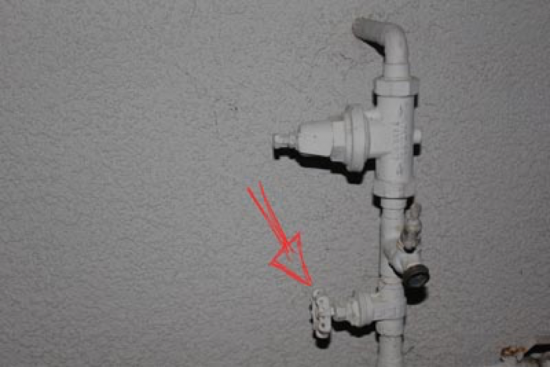
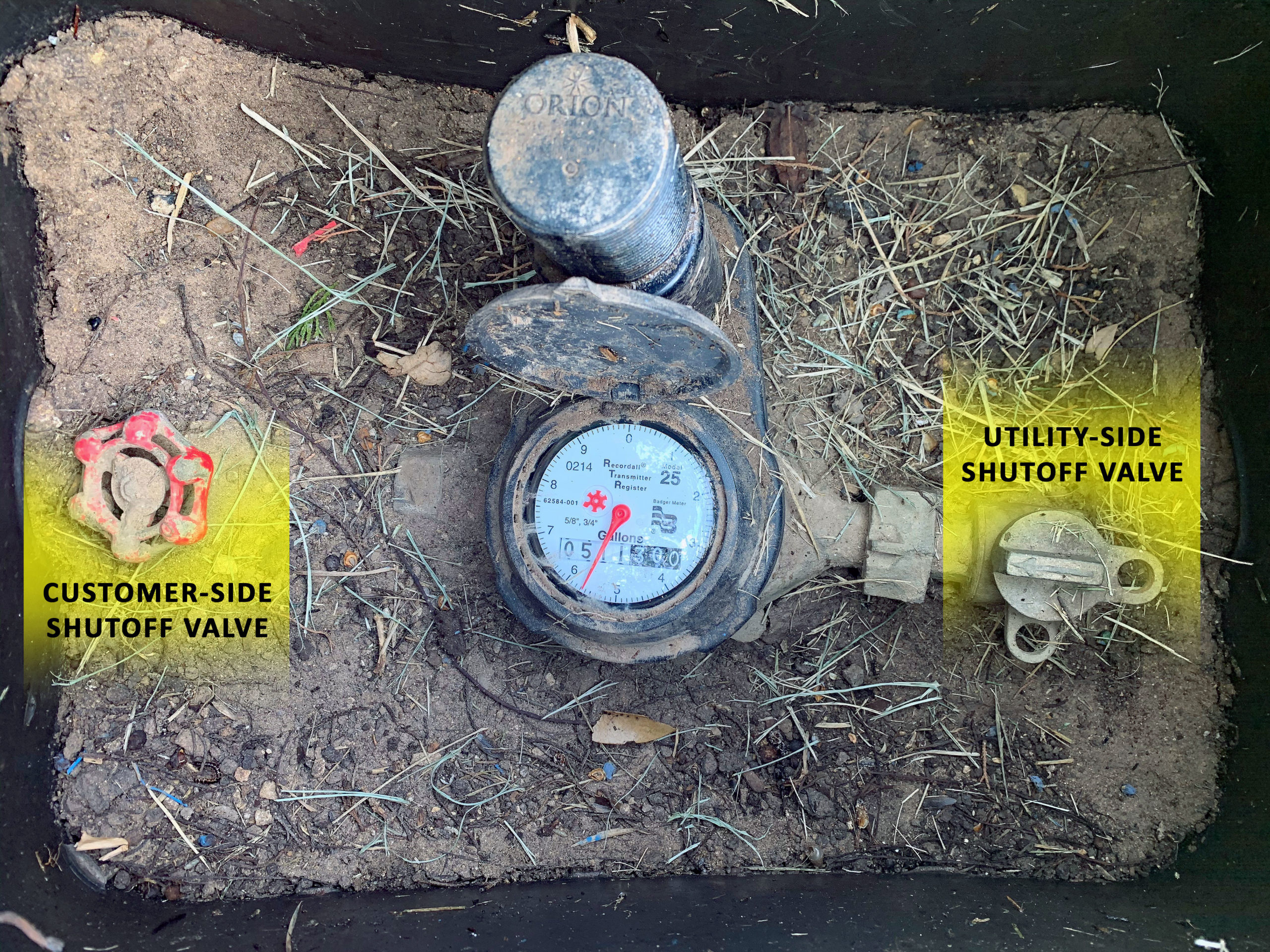
Locate the main shut-off valve, usually near the water meter. Turn it clockwise to stop water flow. Inform household members before shutting it off.
Conclusion
Turning off the water supply can sometimes cause legal problems. Always check local rules before doing it. Some situations allow it, but others do not. Avoid fines or disputes by knowing your rights. Ask a professional if unsure about the rules.
Keeping water safe and running is important for everyone. Stay informed to avoid trouble with water supply issues. Water is a shared resource, so handle it responsibly.