
Is water pooling near your house or your basement feels damp? You might have a hidden problem called negative grading around your foundation.
This issue happens when the ground slopes toward your home instead of away from it. If left alone, it can cause serious damage to your foundation, leading to costly repairs. But don’t worry—you can fix this problem and protect your home.
You’ll discover simple and effective ways to correct negative grading and keep your foundation safe and dry. Keep reading to learn how to take action before small problems turn into big headaches.

Credit: www.youtube.com
Causes Of Negative Grading
Negative grading happens when the ground slopes toward your house foundation. This can cause water to collect near the base, leading to leaks and foundation damage. Understanding the causes helps you fix the problem effectively. Several factors can lead to negative grading around your home.
Soil Settling And Erosion
Soil can settle or wash away over time, creating low spots near your foundation. Heavy rain and poor drainage speed up erosion. Settling soil lowers the ground level, pulling it closer to your house. This allows water to pool and cause damage.
Poor Initial Landscaping
Sometimes, the yard is not shaped correctly from the start. Incorrect slope design or compacted soil can cause water to flow towards the home. Using improper materials or not grading during landscaping leads to negative grading issues later.
Construction Errors
Builders may overlook proper grading during construction. The ground might not be sloped away from the foundation as required. Mistakes in soil compaction or drainage installation also cause water problems. These errors create conditions for water to gather near the house.
Tree Root Impact
Tree roots grow under the soil and can lift or push it unevenly. Roots may cause soil to crack and settle in some areas. This disrupts the original slope and creates negative grading spots. Large trees close to the home increase this risk.
Risks Of Negative Grading
Negative grading near a house foundation means the ground slopes toward the house. This problem causes water to flow close to or into the foundation. It creates many risks that can harm the home over time. Understanding these risks helps you see why fixing negative grading is important.
Foundation Water Damage
Water collects near the foundation with negative grading. This excess moisture can seep into foundation walls. It weakens concrete and causes mold growth. Water damage lowers the foundation’s strength and lifespan. It may lead to costly repairs if not addressed quickly.
Basement Flooding
Basements often sit below ground level, making them vulnerable. Negative grading lets rainwater pool near basement walls. Water can enter through cracks or gaps. Flooded basements ruin belongings and create damp, unhealthy air. Persistent flooding increases repair needs and home value loss.
Soil Instability
Water pooling near the foundation affects soil stability. Saturated soil loses its ability to hold weight. This condition causes soil to shift or wash away. Soil movement can make the foundation settle unevenly. Unstable soil increases the chance of structural issues.
Structural Cracks
Uneven soil pressure creates cracks in foundation walls. Cracks allow more water to enter and worsen damage. They may spread to walls and floors inside the home. Structural cracks reduce the house’s safety and comfort. Early repair prevents bigger problems and higher costs.
Assessing Your Property
Assessing your property is the first step to fix negative grading near your foundation. This process helps find problem spots and understand how water flows around your home. Knowing these details guides you to the right solution and protects your house from water damage.
Careful assessment saves money and avoids future repairs. Take time to check your yard and note any signs of poor drainage. Small efforts now can prevent big problems later.
Identifying Problem Areas
Look for places where water pools near the foundation. Check for cracks or damp spots on basement walls. Notice if the ground slopes toward your house instead of away. These signs show negative grading that needs fixing.
Measuring Slope And Drainage
Use a level and tape measure to check the yard’s slope. The ground should slope at least 6 inches away from your foundation over 10 feet. This slope helps water flow away from your home. Mark areas where the slope is flat or goes toward the house.
Soil Testing
Test your soil to see how well it drains. Clay soil holds water and can cause drainage problems. Sandy soil drains quickly and is less likely to cause issues. Knowing your soil type helps choose the right fix for grading problems.
Professional Inspection
Hire a foundation or drainage expert for a thorough check. Professionals spot issues you might miss. They offer advice on the best way to fix negative grading. Their inspection ensures your home stays safe from water damage.
Diy Fixes For Minor Issues
Minor negative grading issues near your house foundation can cause water problems. Fixing these issues yourself saves money and prevents damage. Simple DIY methods can improve the slope and drainage around your home.
Adding Topsoil Gradually
Start by adding topsoil near the foundation. Use small amounts at a time, about 2 to 3 inches. Spread the soil evenly, sloping it away from the house. Compact the soil gently to avoid settling later. Repeat the process until the slope directs water away from the foundation.
Regrading With Hand Tools
Use a shovel and rake to adjust the soil slope. Remove excess soil near the house and fill low spots farther out. Aim for a slope of about 6 inches over 10 feet. Smooth the surface to prevent puddles. This simple regrading helps water flow away from your foundation.
Improving Drainage
Clear gutters and downspouts to avoid water buildup. Extend downspouts at least 5 feet away from the house. Add gravel or mulch around plants near the foundation. These steps help water soak into the ground instead of pooling near your home.
Installing Simple Drainage Solutions
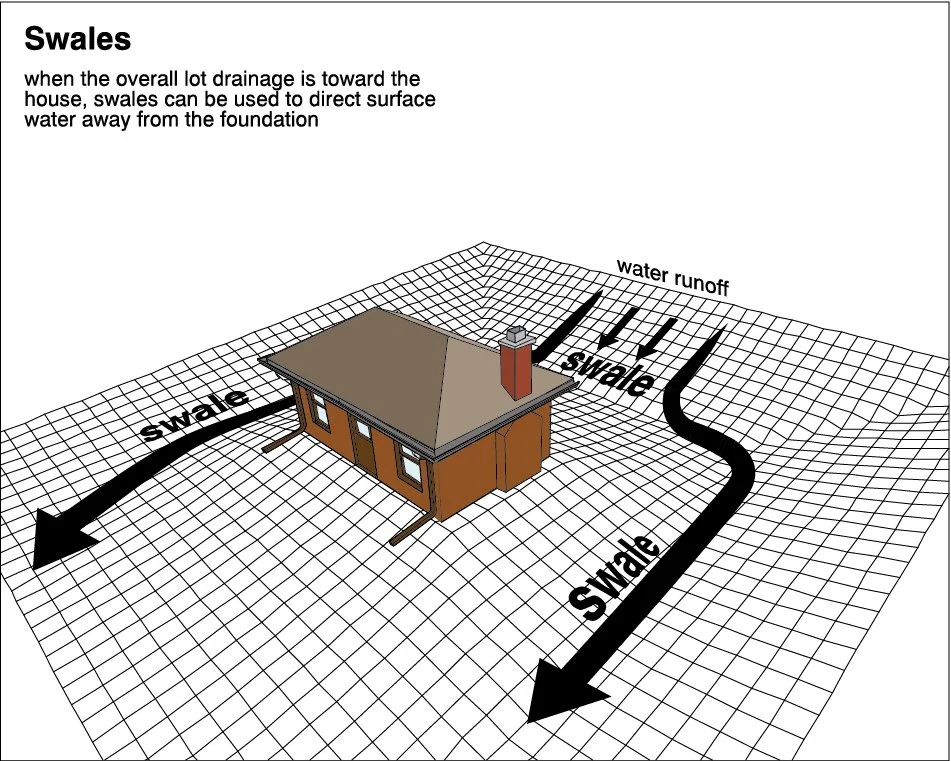
Use inexpensive drainage options like French drains or dry wells. Dig a shallow trench where water pools. Fill it with gravel and cover with soil or grass. These solutions guide water away from the foundation and reduce erosion risks.
Professional Solutions For Major Problems
Fixing negative grading near a house foundation often requires expert help. Simple DIY fixes may not solve big problems. Professionals use proven methods to protect your home and stop water damage.
These solutions reshape the land, manage water flow, and secure the foundation. Each method targets a specific issue caused by poor grading. Choosing the right approach depends on your home’s needs and soil conditions.
Excavation And Regrading
Excavation removes soil that slopes toward the house. Experts dig away problem areas carefully. Then they add new soil to create a slope that directs water away from the foundation. This process ensures water drains properly and reduces the risk of leaks.
Heavy machinery may be needed for large jobs. Professionals check the slope angle to meet safety standards. Proper regrading can prevent many foundation and basement problems.
Installing French Drains
French drains are underground channels filled with gravel and a perforated pipe. They collect water that gathers near the foundation. The water flows through the pipe and drains away from the house.
Installing a French drain requires digging a trench around the foundation. The system helps reduce soil saturation and stops water pressure against the foundation walls. This method is effective in areas with heavy rainfall or poor soil drainage.
Building Retaining Walls
Retaining walls hold back soil on sloped land. They prevent soil from sliding toward the foundation. Walls can be made from stone, concrete, or wood.
Proper drainage behind the wall is crucial to avoid water buildup. Experts design walls to fit the landscape and improve safety. Retaining walls also add to the home’s curb appeal while protecting the foundation.
Foundation Waterproofing
Waterproofing seals the foundation to stop water entry. Professionals apply special coatings or membranes to foundation walls. This prevents moisture from seeping into basements or crawl spaces.
Drainage systems may be added to carry water away. Waterproofing works best combined with good grading and drainage. It extends the life of the foundation and keeps the home dry.

Credit: www.youtube.com
Preventing Future Negative Grading
Preventing future negative grading is essential for protecting your home’s foundation. Negative grading means the soil slopes toward the house, causing water to pool near the foundation. This can lead to water damage, cracks, and costly repairs.
Taking steps to ensure proper soil slope and drainage can save you money and stress. It also keeps your home safe and dry for many years. Below are key methods to prevent negative grading problems.
Proper Landscaping Techniques
Landscaping plays a big role in soil drainage. Create a gentle slope away from your house, about 6 inches over 10 feet. Use soil that compacts well and does not wash away easily. Avoid heavy clay soil near the foundation as it holds water. Add mulch or gravel to help water flow away smoothly. These simple steps guide water away and protect your foundation.
Regular Maintenance Checks
Check your yard often for signs of poor drainage. Look for pooling water or soggy soil near the house. Fill low spots with soil to keep the ground even. Inspect after heavy rain to catch problems early. Fix small issues quickly to avoid bigger damage later. Regular care keeps your grading in good shape and your foundation safe.
Gutter And Downspout Management
Clean gutters and downspouts regularly to prevent blockages. Ensure downspouts direct water at least 5 feet away from the house. Use extensions or splash blocks to move water further away. Proper water flow reduces soil erosion and prevents water from gathering near your foundation. Well-managed gutters protect your home from water damage.
Tree And Plant Placement
Plant trees and shrubs at least 10 feet away from your foundation. Roots can disturb soil grading and damage the foundation. Choose plants with shallow root systems to avoid underground problems. Avoid planting too close to your house to maintain proper soil slope. Correct plant placement supports healthy grading and foundation safety.
Cost Considerations
Fixing negative grading near your house foundation requires clear cost awareness. Knowing what expenses you might face helps in planning and avoids surprises. This section breaks down key cost factors for this important repair.
Estimating Repair Expenses
Costs depend on the size of the area and the severity of the slope. Minor grading fixes might cost a few hundred dollars. Larger projects requiring heavy equipment can run into thousands. Materials like soil, gravel, or drainage pipes add to the total. Labor charges vary by region and company. Getting multiple quotes gives a clearer budget idea.
Comparing Diy Vs Professional Costs
Doing the job yourself can save money on labor. Basic tools and materials still require upfront spending. Mistakes may lead to bigger repair bills later. Professionals bring experience and proper equipment. Their work often lasts longer and meets local codes. Consider your skill level before choosing DIY or hiring experts.
Long-term Financial Benefits
Proper grading protects your foundation from water damage. This prevents costly repairs due to leaks or cracks. A well-maintained yard can increase your home’s value. Avoiding foundation problems saves money and stress over time. Spending now can prevent big expenses in the future.
Insurance And Warranty Options
Homeowners insurance may cover some water damage repairs. Coverage depends on your policy details and cause of damage. Check with your provider before starting work. Some contractors offer warranties on their grading services. Warranties give peace of mind for repair quality. Always ask about warranty terms before hiring.
Credit: daylightinspect.ca
Frequently Asked Questions
What Is Negative Grading Near A House Foundation?
Negative grading means the ground slopes toward the house instead of away. This causes water to pool near the foundation. It can lead to leaks and damage.
Why Is Negative Grading Harmful To Foundations?
Water collects near the foundation and seeps inside. This can cause cracks, mold, and structural damage. Proper grading helps water flow away safely.
How Can I Check If My Yard Has Negative Grading?
Look at the slope around your house. If the ground tilts toward the foundation, it’s negative grading. Use a level or string to measure slope.
What Tools Do I Need To Fix Negative Grading?
A shovel, rake, and soil are basic tools needed. You may also need a wheelbarrow and tamper to pack soil tightly.
How Much Should The Ground Slope Away From The House?
A slope of at least 6 inches over 10 feet is ideal. This helps water run away from the foundation effectively.
Can I Fix Negative Grading By Myself?
Yes, small grading jobs can be done by homeowners. Larger issues may require a professional landscaper or contractor.
What Type Of Soil Is Best For Fixing Grading?
Use compactable soil like clay or loam. Avoid sandy soil since it drains too quickly and may not hold shape well.
How Long Does It Take To Fix Negative Grading?
Simple fixes may take a few hours in one day. Larger projects could take several days depending on soil and yard size.
Does Fixing Grading Prevent Basement Water Leaks?
Proper grading greatly reduces water pooling near the foundation. This lowers the risk of basement leaks and moisture problems.
When Should I Call A Professional For Grading Problems?
Call a pro if water damage is severe or soil keeps eroding. Also seek help if your foundation shows cracks or shifts.
Conclusion
Fixing negative grading around your house is key to protecting your foundation. Proper slope directs water away from your home. Simple steps like adding soil or adjusting landscaping help a lot. Avoid water damage, mold, and costly repairs by acting early.
Keep an eye on your yard’s slope every season. Small fixes now save big headaches later. Protect your home’s value and safety with good grading. It’s a smart, easy way to care for your house.