
The Amazon affiliate links to products below may earn us a commission on qualifying purchases, as an Amazon Associate. It costs the reader nothing at all.
Essential privacy literature A high-quality book in this category explains complex digital power structures for the everyday reader.
Real Life Opening
You might worry about how much of your personal data is tracked every time you go online. It feels like you’re losing control, but it’s hard to find clear answers in the noise of modern news.
These books help you see exactly how surveillance works in our digital world. They turn complex technical and legal ideas into clear stories that anyone can follow. Here are the best politics of privacy surveillance books to help you stay informed.
1. The Age of Surveillance Capitalism

Best for: Readers wanting a deep dive into modern economic power.
This book provides a detailed look at how personal data has become the primary raw material for modern businesses. It explains the shift in power as companies move to predict and control human behavior.
You’ll find a dense, thorough argument that challenges how we view our digital future. It isn’t for someone looking for a quick, light summary of privacy trends, as the analysis is quite heavy.
Pros
- Offers a comprehensive analysis of power.
- Connects data to global economic shifts.
- Challenges conventional views on digital growth.
- Encourages critical thinking about human futures.
Cons
- Extremely long and complex read.
Why this one: This is the go-to choice for anyone who wants to understand the “big picture” of the surveillance economy. If you prefer short chapters or casual writing, you should look at a different pick, as this one requires a lot of patience to finish.
2. Means of Control

Best for: Those interested in the tech and government relationship.
This work explores the hidden ways that tech companies and government agencies work together. It highlights how this partnership creates a new kind of surveillance state that affects all citizens.
Reading this will make you think twice about the software and hardware you use daily. It isn’t for readers who want to focus solely on corporate data collection, as the government’s role is central here.
Pros
- Highlights the tech-government alliance clearly.
- Focuses on modern American surveillance trends.
- Uncovers hidden links between power and tech.
- Provides a fresh perspective on state control.
Cons
- Specific to the American political context.
Why this one: Choose this if you want to understand how the tools you use for convenience are also used for state monitoring. If you’re looking for a global or international perspective, you might find this book too focused on one country.
3. Surveillance Valley

Best for: History buffs interested in internet origins.
This book traces the military roots of the technology we use every day. It shows how the internet grew out of secret government projects meant for control and tracking.
The narrative style makes a historical subject feel relevant to your current digital life. It isn’t for readers who want a book focused on modern consumer privacy tips or software tools.
Pros
- Uncovers the military history of the internet.
- Explains the origins of current tracking tools.
- Uses a compelling, narrative storytelling style.
- Connects past decisions to current digital problems.
Cons
- Focuses on history rather than current solutions.
Why this one: This is perfect if you want to know why the internet is built the way it is. If you need a guide for immediate personal data protection, this book won’t give you those practical steps.
4. Dragnet Nation

Best for: People seeking a personal approach to privacy.
The author documents their own attempt to reclaim privacy in a world where tracking is constant. It turns abstract surveillance problems into a relatable personal journey.
You’ll see how difficult it’s to live offline or secure your digital footprint today. It isn’t for someone who wants a purely academic or theoretical study of privacy laws.
Pros
- Relatable, first-person narrative style.
- Shows the struggle of real-world privacy.
- Practical examples of tracking in daily life.
- Keeps the reader engaged throughout.
Cons
- Highly subjective personal experience.
Why this one: This is a great starting point if you feel overwhelmed by surveillance and want to see how one person handles it. If you prefer a detached, expert-led analysis of the entire industry, you should try another book.
5. The Information State

Best for: Students of political power and control.
This book examines how states use information to maintain authority over their populations. It looks at the intersection of political strategy and modern surveillance capabilities.
The tone is analytical and aims to explain the mechanics of state control. It isn’t for a reader who is looking for a casual or lighthearted look at internet culture.
Pros
- Focuses on the mechanics of state power.
- Analyzes the politics of total control.
- Provides a serious look at governance.
- Well-suited for political science interest.
Cons
- Very academic and serious tone.
Why this one: Pick this if you are interested in the political science side of surveillance, as it demands a singular focus on that specific perspective. If you want a book focused on corporate tracking or consumer privacy, this one may feel too far removed from your daily experience.
6. The American Surveillance State

Best for: Readers focused on free speech and dissent.
This book details how the U.S. government uses surveillance to monitor those who speak out against it. It’s a focused study on how technology changes the risk of political activism.
It provides a necessary look at the dangers of constant monitoring for a free society. It isn’t for someone who is uninterested in the intersection of civil rights and national security.
Pros
- Highlights the impact on political dissent.
- Discusses the risk to free speech.
- Examines U.S. surveillance practices deeply.
- Raises important civil liberty questions.
Cons
- Limited to the U.S. political system.
Why this one: This is essential reading if you worry about the chilling effect surveillance has on public protest and speech. If you’re looking for a general overview of global privacy trends, this book might be too narrow.
7. Habeas Data

Best for: Those interested in legal and rights frameworks.
This book tackles the clash between emerging surveillance technology and our traditional legal rights by examining how the law can keep up with rapid changes in how we’re watched.
You’ll gain a better understanding of why current laws often fail to protect us. It isn’t for someone who wants to avoid legal jargon or complex court discussions.
Pros
- Explains the clash with surveillance tech.
- Focuses on legal and privacy rights.
- Addresses the inadequacy of current laws.
- Clearly links technology to legal frameworks.
Cons
- Heavy on legal concepts and analysis.
Why this one: This is a smart pick if you want to understand the legal battleground of privacy. If you prefer personal stories or historical accounts over legal analysis, you should look for a different book.
8. I Have Nothing to Hide
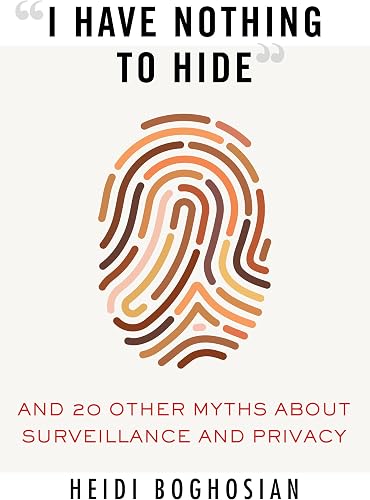
Best for: Beginners who need to debunk common myths.
This book breaks down the 20 most common excuses people use to ignore surveillance, explaining why the idea that you have nothing to hide is a dangerous way to think.
It isn’t for someone looking for a deep, exhaustive historical or technical study.
Pros
- Very easy to read and understand.
- Directly addresses common privacy misconceptions.
- Persuasive and direct arguments.
- Great for people new to the topic.
Cons
- Less detailed than larger academic works.
Why this one: This is the best book to give to a friend or family member who doesn’t think privacy matters. If you’re already well-versed in the topic, you might find it a bit too basic.
9. The Digital Fourth Amendment

Best for: Anyone interested in privacy and modern policing.
This book investigates how the Fourth Amendment applies to our digital lives. It looks at how police use data and what that means for our constitutional protections.
The focus is sharp and relevant to anyone concerned about police surveillance. It isn’t for readers looking for a broad, international view of internet history.
Pros
- Focuses on constitutional rights in digital spaces.
- Examines the future of policing.
- Relevant to everyday digital privacy.
- Sharp and focused legal analysis.
Cons
- Very specific to American law.
Why this one: This is a vital read for understanding how your legal rights are changing in the digital age, though you might choose another book if you want a general guide to privacy not tied to the U.S. Constitution.
10. Privacy’s Defender

Best for: Readers who enjoy a first-hand activist story.
This memoir tracks a lifetime of fighting against digital surveillance. It offers a unique look at how the fight for privacy has changed over several decades.
You’ll see the evolution of the privacy movement through the eyes of an insider. It isn’t for someone who wants a purely objective or academic overview of the field.
Pros
- Offers a long-term activist perspective.
- Shows how the fight has evolved.
- Personal and engaging memoir style.
- Highlights real-world impact of advocacy.
Cons
- The narrative relies entirely on a personal, subjective perspective.
Why this one: Choose this if you want to be inspired by someone who has spent their life fighting for your rights. If you want a neutral, bird’s-eye view of the surveillance industry, this book isn’t the best choice.
How to Choose Yours
Picking the right book depends on your current knowledge and what you want to change in your own life. Start by choosing based on your personal routine rather than looking for the longest list of features.
- Do you want to learn about the history of the internet?
- Are you worried about how your government tracks your actions?
- Do you need help explaining privacy to friends and family?
- Are you interested in the legal side of digital rights?
- Do you prefer personal stories over dry, academic analysis?
- How much time can you dedicate to reading a dense book?
The Verdict for Most People
For most readers, I Have Nothing to Hide is the best starting point because it challenges common misconceptions about privacy in a simple way, helping you understand why your data matters before you dive into more complex topics.
If you’re a student or a deep researcher, you should choose The Age of Surveillance Capitalism for its thorough look at the economic forces at play. Take your time to decide which angle fits your current curiosity best.
Frequently Asked Questions
Are these books easy for beginners to understand?
Most of these books are written for a general audience, though some are more academic than others. Books like I Have Nothing to Hide are designed specifically for beginners, while titles like The Age of Surveillance Capitalism are meant for those who want a deeper, more demanding read.
Do I need to be a tech expert to read these?
the listing doesn’t mention the technical requirements for reading these books. The authors focus on the social, political, and historical impacts of surveillance rather than the complex code or technical architecture behind the systems.
Will these books help me protect my personal data?
While these books focus on the politics of surveillance, many offer insight into how data is collected, which can help you make better decisions. For specific, up-to-date technical advice on securing your digital life, the Federal Trade Commission provides official guidance on protecting your information online.
Are these books only about the United States?
Many of the books listed focus on the American context, but the themes of corporate surveillance and digital control are global. If you want a wider perspective, look for books that discuss the global nature of the internet and international data policies.
Is it really worth reading about surveillance if I have nothing to hide?
Many of these books exist specifically to answer that question by showing how privacy is a collective right, not just an individual secret. Surveillance affects how we act, what we buy, and how we participate in society, which makes it a concern for everyone, regardless of their personal habits.
What is the most important thing to know before starting?
The most important thing is to accept that privacy is a complex, ongoing issue rather than a problem with a single, straightforward solution. These books are meant to change how you look at the world, and each one offers a different piece of the puzzle to help you form your own view.
Final Thoughts
Understanding these systems is the first step toward reclaiming your digital life. Don’t just leave these books on your shelf; pick one and start a conversation with a friend about what you’ve learned. We’re all in this together, and staying informed is the best way to protect our shared future online.