
Is your washing machine leaking from the bottom? This can quickly turn from a small drip into a big mess if you don’t act fast.
You might feel frustrated or unsure about what to do next. But don’t worry—you can fix this yourself. You’ll discover simple steps to find the cause of the leak and solve it without spending a fortune on repairs. Keep reading, and you’ll have your washing machine working properly again in no time.
Common Causes Of Bottom Leaks
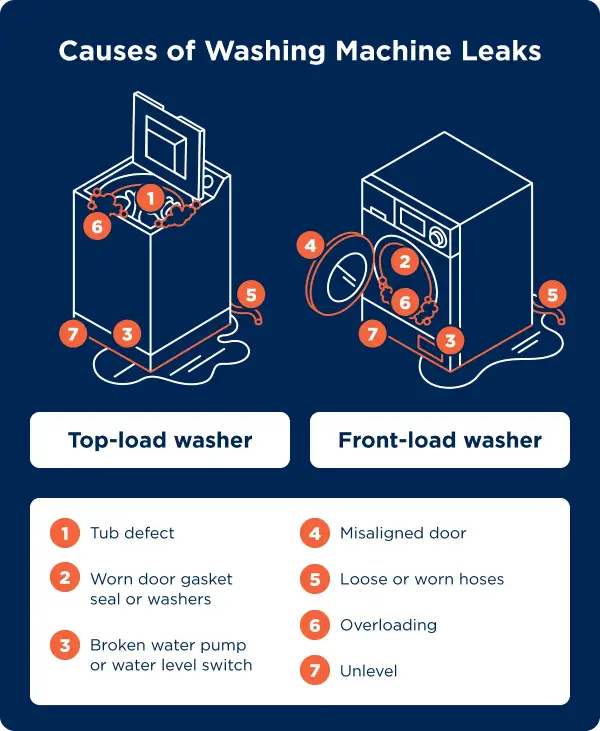
Washing machine leaks from the bottom are a common problem. They can cause water damage and disrupt your laundry routine. Understanding the usual causes helps fix the leak quickly. Below are the main reasons your washing machine might leak from the bottom.
Damaged Drain Hose
The drain hose carries water out of the machine. A crack or hole in the hose lets water escape. Sometimes the hose comes loose from its connection. This causes water to drip under the machine. Check the hose for wear and tear or loose fittings.
Faulty Water Pump
The water pump moves water during wash and drain cycles. A broken pump or worn seals can leak water. Pump damage often leads to water pooling beneath the machine. Listen for strange noises during the cycle. This may signal pump problems.
Worn Door Seal
The door seal keeps water inside the drum. Over time, the rubber seal can crack or tear. Water then leaks out when the machine runs. Check the seal for signs of damage or dirt build-up. Clean or replace the seal if needed.
Loose Or Broken Tub
The inner tub holds your clothes during washing. A crack or loose connection in the tub can leak water. This damage is rare but serious. If you see water pooling inside or under the machine, inspect the tub carefully.
Clogged Or Faulty Drain Filter
The drain filter traps lint and debris to prevent blockages. When clogged, water may not drain properly. This causes leaks at the machine’s bottom. Clean the filter regularly to avoid leaks. Replace it if it is damaged or broken.
Tools And Materials Needed
Fixing a washing machine that leaks from the bottom requires the right tools and materials. Having everything ready helps you work faster and safer. It also prevents mistakes and saves money on repairs.
Gathering the correct items before starting makes the job less stressful. You will need simple tools and some replacement parts. Safety gear is also important to protect yourself.
Basic Tools List
- Screwdrivers (flathead and Phillips)
- Pliers
- Wrench set
- Towel or cloth to catch water
- Bucket for draining water
- Flashlight to see under the machine
- Putty knife for prying panels
Replacement Parts
- Drain hose (if cracked or damaged)
- Water inlet valve
- Door seal or gasket
- Drain pump
- Hose clamps
- Rubber boot or bellows
Safety Gear
- Rubber gloves to protect your hands
- Safety goggles to guard your eyes
- Non-slip shoes for stable footing
- Protective clothing to avoid stains
Step-by-step Leak Diagnosis
Finding the source of a washing machine leak can save money and time. A careful, step-by-step check helps find the problem. Follow these simple steps to diagnose leaks from the bottom of your machine.
Take your time. Each step is important to find the exact cause. This way, you can fix the leak quickly and avoid further damage.
Unplug And Prepare The Machine
Unplug the washing machine to stay safe. Make sure no electricity is connected. Move the machine away from the wall carefully. Have towels or a bucket ready to catch any water. This step stops water damage and electric shock risks.
Locate The Leak Source
Look under and around the machine for wet spots. Use a flashlight for better view. Watch for dripping water or puddles. Check if water comes from a specific place. Mark the wet area to know where to focus next.
Check Hoses And Connections
Inspect all hoses connected to the washer. Look for cracks, holes, or loose fittings. Tighten any loose clamps or connectors. Replace damaged hoses with new ones. Leaks often start here, so this step is key.
Inspect The Water Pump And Seal
Find the water pump near the bottom inside the machine. Check around the pump for water marks or drips. Look at the pump seal for cracks or wear. Replace the seal or pump if damaged. This area often causes leaks under the washer.
Credit: www.mrappliance.com
Fixing The Drain Hose Leak
Fixing a drain hose leak is a key step when your washing machine leaks from the bottom. The drain hose carries water out of the machine. A loose or damaged hose can cause water to drip or spray. Checking the hose and its connections can solve many leaks quickly.
Tightening Hose Clamps
Start by unplugging the washing machine for safety. Locate the drain hose at the back of the machine. Look for metal or plastic clamps holding the hose in place. These clamps can loosen over time from vibrations and use.
Use a screwdriver to tighten the clamps gently. Do not overtighten; just make the connection snug. A tight clamp stops water from leaking at the joint. After tightening, run a short wash cycle to check for leaks.
Replacing A Damaged Hose
Inspect the drain hose for cracks, holes, or wear. Damage can cause leaks during water drainage. If the hose looks old or cracked, replacement is best. Purchase a hose that matches your washing machine model.
Remove the old hose by loosening the clamps. Attach the new hose and secure it with clamps. Make sure the hose fits tightly on both ends. Test the machine to ensure no leaks appear. A new hose can stop leaks and prevent water damage.
Repairing Or Replacing The Water Pump
Repairing or replacing the water pump is often necessary when your washing machine leaks from the bottom. The pump moves water out of the washer during the drain cycle. A faulty pump can cause water to leak onto the floor. Fixing this part can stop leaks and save your machine.
Start by removing the pump carefully. Test it to check for damage or blockages. If the pump is broken, install a new one. This process is straightforward with the right tools and steps.
Removing The Pump
First, unplug the washing machine to ensure safety. Turn off the water supply. Lay the machine on its back to access the bottom. Find the water pump, usually near the front or bottom. Disconnect the hoses connected to the pump. Use pliers to remove clamps gently. Unscrew the pump from its place. Keep all screws and parts for reassembly.
Testing The Pump
Check the pump for any visible cracks or damage. Look inside for debris or blockages. Spin the pump’s impeller by hand; it should turn freely. Use a multimeter to test the electrical resistance. A reading of zero or infinity means the pump is faulty. Replace the pump if it fails any test.
Installing A New Pump
Place the new pump in the same position as the old one. Screw it securely to the washing machine frame. Reattach all hoses and tighten the clamps firmly. Ensure no hose is loose to avoid leaks. Return the washing machine to its upright position. Plug in the machine and turn on the water. Run a short cycle to check for leaks and proper function.
:max_bytes(150000):strip_icc()/why-is-my-washing-machine-leaking-2147313-FINAL-5bbfa6cd46e0fb0026ddeeea.png)
Credit: www.thespruce.com
Sealing Or Replacing The Door Seal
The door seal is a common source of leaks at the bottom of a washing machine. It acts as a barrier, keeping water inside during cycles. Over time, dirt, soap, and wear can damage the seal. Fixing or replacing it stops leaks and protects your floor from water damage.
Cleaning the seal often solves minor leaks. Dirt and grime build up and break the seal’s tight fit. Careful cleaning restores its ability to hold water. For torn or cracked seals, replacement is necessary. A new seal fits snugly and prevents leaks completely.
Cleaning The Seal
Start by unplugging the washing machine. Open the door and inspect the rubber seal. Wipe away visible dirt using a damp cloth. Use mild soap and water to clean sticky residue. Check for small tears or holes after cleaning. Dry the seal thoroughly with a clean towel. Clean seals improve the door’s water-tight fit and reduce leaks.
Replacing A Torn Seal
Remove the old seal carefully from the door frame. Check your washing machine model for the exact replacement part. Fit the new seal into place, ensuring it sits evenly all around. Secure the seal with the retaining band or clips. Test the door by closing it firmly. Run a short cycle and watch for leaks. Replacing a torn seal restores the machine’s proper function and stops water from leaking out.
Addressing Tub And Drain Filter Issues
Leaking from the bottom of a washing machine often links to problems with the tub or drain filter. These parts help control water flow and keep the machine sealed. Checking and fixing them can stop leaks and protect your floor.
Start with the tub bolts. Loose bolts can cause water to drip from the bottom. Tightening them keeps the tub steady and sealed.
Drain filters catch lint and small items. A clogged or damaged filter can cause leaks. Cleaning or replacing this filter may solve the problem.
Fixing Loose Tub Bolts
Find the bolts around the tub inside the machine. Use a wrench to check if they are tight. Turn bolts clockwise to tighten them carefully. Avoid over-tightening, which can cause damage.
Loose bolts let water escape during the wash cycle. Tightening bolts seals the tub better. This simple step often stops leaks quickly.
Cleaning Or Replacing The Drain Filter
Locate the drain filter, usually at the bottom front of the machine. Open the cover and pull out the filter. Clean out lint, coins, or debris blocking it.
If the filter looks damaged or cracked, replace it with a new one. A clean filter helps water drain properly. This prevents leaks and improves washing performance.
Tips To Prevent Future Leaks
Preventing leaks in your washing machine helps avoid costly repairs and water damage. Small steps can keep your machine running smoothly. Follow these easy tips to reduce the chance of leaks from the bottom.
Regular Maintenance
Clean the washing machine inside and out every few months. Remove lint, dirt, and detergent buildup. Check the door seal for cracks or mold. Replace worn parts quickly to stop leaks early.
Proper Loading Techniques
Do not overload the washing machine. Too many clothes can cause imbalance and strain the drum. Spread clothes evenly to keep the machine stable. Avoid washing heavy items alone, like blankets or rugs.
Checking Hoses Periodically
Look at hoses for cracks or bulges every few months. Tighten loose connections to prevent water from dripping. Replace old hoses every five years to avoid sudden bursts. Use high-quality hoses for better durability.

Credit: www.homeserve.co.uk
Frequently Asked Questions
Why Is My Washing Machine Leaking From The Bottom?
A leak at the bottom often means a loose or damaged hose or seal. Check hoses and seals for cracks or wear.
How Can I Stop A Washing Machine Leak Quickly?
Turn off the water and unplug the machine first. Use towels to soak up water and inspect for leaks.
Can A Clogged Drain Cause Bottom Leaks In Washing Machines?
Yes, a clogged drain can cause water to back up and leak from the bottom. Clear the drain to fix it.
What Parts Cause Washing Machine Leaks Underneath?
Common parts include the drain hose, door seal, and water pump. Inspect these for damage or loose fittings.
Is It Safe To Use A Leaking Washing Machine?
Using a leaking machine can cause water damage and electrical risks. Stop use and fix the leak promptly.
How Do I Check The Washing Machine Door Seal For Leaks?
Look for tears, dirt, or buildup on the rubber seal. Clean or replace the seal if damaged.
Can Overloading The Washer Cause Bottom Leaks?
Yes, overloading puts pressure on seals and hoses, leading to leaks. Follow load size recommendations.
How Do I Fix A Leaking Water Pump In A Washer?
Unplug the machine, remove the access panel, and check for cracks or loose clamps on the pump. Replace if needed.
Should I Call A Professional For A Washing Machine Leak?
Call a professional if leaks persist after basic checks. They can safely diagnose and fix complex issues.
How Often Should I Inspect My Washing Machine For Leaks?
Inspect hoses and seals every 6 months. Regular checks help catch leaks early and prevent damage.
Conclusion
Fixing a washing machine leak from the bottom is possible with basic steps. Check hoses and seals first for damage or looseness. Tighten or replace parts as needed. Keep the area clean and dry to spot new leaks early. Regular maintenance helps avoid future problems.
Small fixes save time and money. Don’t ignore leaks; they can cause bigger issues. Stay patient and follow simple instructions carefully. Your washing machine can work well again with proper care.