
Have you ever tried to tighten a screw on your fiberglass boat, only to find the hole stripped and useless? It’s frustrating, and if left untreated, it can cause bigger problems down the line.
But don’t worry—you can fix those stripped screw holes yourself, quickly and effectively. You’ll learn simple, step-by-step methods to restore your boat’s screw holes so they hold strong again. Keep reading, and you’ll be able to tackle this common issue like a pro.
Causes Of Stripped Screw Holes
Stripped screw holes in fiberglass boats happen for several reasons. These causes weaken the hold of screws and create repair needs. Understanding these causes helps prevent damage and keeps the boat secure.
Common Issues In Fiberglass Boats
Fiberglass boats face wear from water, sun, and salt. These elements soften the fiberglass around screw holes. Over time, the material breaks down and loses strength. Small cracks can form near the holes. This makes screws slip and holes strip easily.
Another issue is poor installation. Screws placed too close or at wrong angles stress the fiberglass. Using wrong screws or sizes also causes damage. Vibration and movement during sailing add to the problem. These common issues weaken the fiberglass around screws.
Effects Of Over-tightening And Wear
Over-tightening screws crushes the fiberglass inside the hole. This crush reduces grip and can crack the surface. The screw loses its hold quickly. Frequent removal and reinstallation of screws wear out the holes too. The repeated motion enlarges the holes and strips the threads.
Wear also comes from constant boat motion. Waves and engine vibration shake the screws loose. This movement wears out the hole edges. When screws move in loose holes, stripping happens faster. Both over-tightening and wear reduce screw hole life.

Credit: www.youtube.com
Tools And Materials Needed
Fixing stripped screw holes in a fiberglass boat needs the right tools and materials. Having everything ready makes the repair faster and easier. It also helps ensure the fix lasts longer and holds tight.
Essential Repair Tools
Start with a drill to clean and widen the damaged hole. Use a screwdriver that fits the screws perfectly. Sandpaper helps smooth the area around the hole. A small brush or cloth cleans dust and debris from the surface. Clamps hold parts together while glue or filler dries. A mixing stick is useful for blending fillers or adhesives.
Recommended Fillers And Adhesives
Choose epoxy resin for strong and lasting repairs. Polyester filler is good for filling gaps and holes. Marine-grade adhesives provide strong bonding and resist water damage. Use a hardener with the filler for quick curing. These materials work well with fiberglass and resist harsh marine environments.
Preparing The Damaged Area
Preparing the damaged area is the first key step to fix stripped screw holes in a fiberglass boat. It makes sure the repair will last strong and hold well. Taking time to prepare the spot correctly prevents further damage and helps the new material stick better.
Cleaning And Removing Debris
Start by cleaning the damaged hole thoroughly. Remove any loose bits of fiberglass or old glue stuck inside. Use a small brush or compressed air to clear out dust and debris. Dirt can stop the repair material from bonding properly. Wipe the area with a clean cloth and some acetone or alcohol. This removes oils and grime. A clean hole ensures a stronger fix.
Sanding And Surface Preparation
Next, sand the area around the stripped hole. Use medium-grit sandpaper to roughen the surface lightly. This helps the repair filler grip better. Sand in a circular motion, covering a few inches around the hole. Avoid sanding too deep or damaging the fiberglass further. After sanding, clean the dust off with a dry cloth. Smooth, clean surfaces make for a solid repair base.
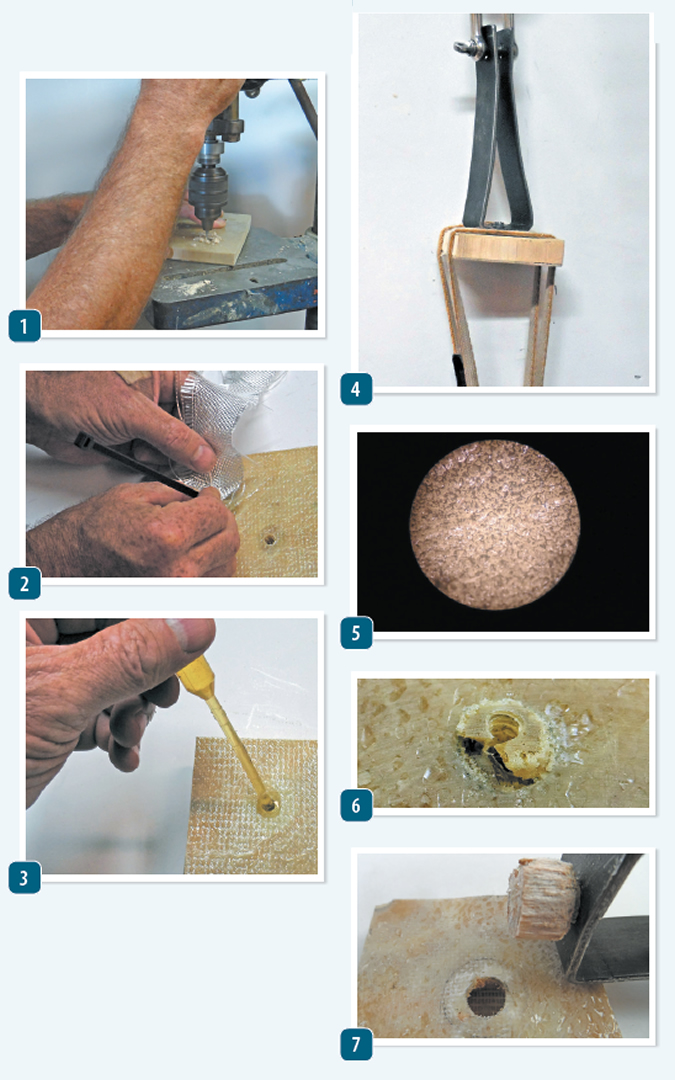
Credit: www.practical-sailor.com
Repair Methods For Stripped Holes
Stripped screw holes in fiberglass boats reduce the strength of the connection. Repairing these holes restores the hold and prevents damage. Several effective methods exist to fix stripped holes. Choose the best repair based on the hole size and location. Each method offers a strong, lasting solution.
Using Epoxy Fillers
Epoxy fillers are a popular choice for repairing stripped holes. Clean the hole well before applying the epoxy. Mix the epoxy resin and hardener as per instructions. Fill the hole with the mixture and let it cure fully. After hardening, drill a new pilot hole carefully. This method provides a firm base for new screws.
Applying Wood Or Plastic Inserts
Wood or plastic inserts fit into stripped holes to add strength. Choose an insert slightly larger than the damaged hole. Insert it with glue or epoxy for a tight fit. Trim any excess material flush with the surface. Drill a new hole into the insert for the screw. This technique offers a reliable and neat repair.
Installing Helicoil Or Threaded Inserts
Helicoil or threaded inserts restore the original thread inside the hole. Drill out the damaged hole to the required size. Tap new threads using a special tool. Screw in the Helicoil or threaded insert carefully. This creates a strong, metal thread for screws to hold. Ideal for high-stress areas on your boat.
Steps To Re-drill And Secure Screws
Fixing stripped screw holes in a fiberglass boat needs careful steps. Re-drilling and securing screws correctly ensures strong, long-lasting repairs. Follow these simple instructions to make the job easier and keep your boat safe.
Marking And Drilling The Hole
Start by cleaning the area around the hole. Use a marker to mark the exact center. This keeps the new hole straight and aligned. Choose a drill bit slightly smaller than the screw diameter. Drill slowly to avoid damaging the fiberglass. Keep the drill steady and straight.
Choosing The Right Screw Size
Select screws that fit the new hole snugly. Avoid screws that are too big or too small. The right size holds the screw firmly without cracking fiberglass. Stainless steel screws resist rust and last longer in water. Match the screw type to your boat’s needs.
Ensuring Proper Screw Tightening
Insert the screw carefully into the drilled hole. Turn the screw slowly and evenly. Stop tightening as soon as it feels secure. Over-tightening can crack fiberglass or strip the hole again. Use a screwdriver with good grip for better control.
Preventing Future Stripped Holes
Preventing future stripped screw holes in your fiberglass boat saves time and money. Proper care and smart installation keep your boat sturdy. Avoid weak spots by following simple steps. These tips help screws hold firm in fiberglass.
Best Practices For Screw Installation
Choose the right screw size for the hole. Screws that are too small can strip easily. Drill pilot holes to guide screws straight. Use a screwdriver with good grip and control. Avoid over-tightening screws; it breaks the fiberglass. Tighten screws just enough to hold firmly.
Regular Maintenance Tips
Check screws regularly for loosening or damage. Tighten loose screws carefully without forcing them. Replace rusted or worn screws quickly. Clean the screw holes to remove dirt or salt. Apply a small amount of marine-grade sealant in holes. This keeps water out and strengthens the hold.
When To Seek Professional Help
Knowing when to seek professional help is important for fixing stripped screw holes in a fiberglass boat. Small repairs might be easy to do yourself. But some problems need expert care. This protects your boat and saves money in the long run.
Signs Of Extensive Damage
Look for cracks around the screw holes. Large or deep cracks mean serious damage. Loose screws that cannot hold tight also show trouble. Soft or crumbling fiberglass near the hole is a bad sign. Water leaks or blistering paint around the area suggest hidden damage. These issues need a professional’s skill to fix safely.
Cost Vs. Diy Considerations
DIY repairs can save money at first. But they take time and might fail if done wrong. Buying tools and materials adds to cost. A professional charges more but ensures a strong, lasting fix. Think about the value of your boat. Choose the option that protects your investment best.

Credit: www.reddit.com
Frequently Asked Questions
How Do You Know If A Screw Hole In Fiberglass Is Stripped?
A stripped hole feels loose and the screw won’t hold tightly. You may see damaged or worn threads inside the hole.
What Materials Do I Need To Fix Stripped Screw Holes In Fiberglass?
You need epoxy resin, a mixing stick, sandpaper, a drill, and new screws. These help rebuild the hole and secure the screw again.
Can I Use Wood Filler To Fix Stripped Fiberglass Holes?
Wood filler is not strong enough for fiberglass repairs. Epoxy resin works better because it bonds well with fiberglass surfaces.
How Long Does It Take For Epoxy To Cure In Fiberglass Repairs?
Epoxy usually takes 24 hours to cure fully at room temperature. Dry time may vary based on product and weather conditions.
Should I Drill A Bigger Hole To Fix Stripped Screw Holes?
Drilling a slightly bigger hole can help if the original hole is too damaged. Use the right drill bit size for new anchors or screws.
Can I Reuse Screws After Fixing Stripped Holes In Fiberglass?
It’s better to use new screws for a stronger hold. Old screws may not grip well even after repair.
What Is The Best Way To Prepare The Hole Before Repair?
Clean the hole of debris and sand it lightly to roughen the surface. This helps epoxy stick better.
Is It Necessary To Use Anchors In Repaired Fiberglass Holes?
Using anchors can improve screw grip and prevent future stripping. Plastic or metal anchors work well for fiberglass.
How Do I Prevent Stripped Screw Holes In My Fiberglass Boat?
Avoid overtightening screws and use proper anchors or backing plates. Regularly check and maintain screw tightness.
Can I Fix Stripped Holes On Fiberglass With Diy Kits?
Yes, DIY kits with epoxy and fillers work well for small repairs. Follow kit instructions carefully for best results.
Conclusion
Fixing stripped screw holes in your fiberglass boat is simple. Use the right materials and take your time. Clean the hole well before starting the repair. Choose strong fillers or anchors to hold screws tight. Let everything dry completely for the best results.
This prevents damage and keeps your boat safe. Small fixes now save you from bigger problems later. Keep your boat in great shape with regular checks. Enjoy smooth sailing without worrying about loose screws. Easy repairs make your boat last longer and stay reliable.