
Finding a tiny pinhole leak in your copper water pipe can quickly turn into a big headache. You might notice water stains, dripping sounds, or a sudden drop in water pressure.
If you don’t act fast, that small leak can cause serious damage to your home and your wallet. But don’t worry—you don’t have to call a plumber right away or replace the whole pipe. You’ll learn simple, effective steps to fix that pinhole leak yourself.
Keep reading, and you’ll discover how to stop the leak quickly and save money at the same time.
Identifying Pinhole Leaks
Identifying pinhole leaks in copper water pipes is the first step to fixing them. These leaks are tiny and hard to spot. They cause water damage if not found early. Knowing the signs helps you act fast and save your pipes.
Common Signs Of Leaks
Watch for damp spots on walls or ceilings. You may see water stains or discoloration. Pipes may feel wet or have greenish-blue marks. Listen for dripping sounds even when faucets are off. A sudden drop in water pressure can also indicate leaks.
Locating The Leak Spot
Start by turning off the main water supply. Dry the pipe surface with a cloth. Look closely along the pipe for tiny holes or wet areas. Use a flashlight to see better in dark places. Check under sinks, near joints, and bends where leaks are common.
Tools Needed For Inspection
You need a flashlight to see small leaks clearly. A dry cloth helps wipe pipes for better inspection. A moisture meter can detect hidden dampness inside walls. Safety gloves protect your hands during the check. A pipe inspection camera offers a detailed view in tight spaces.

Credit: www.youtube.com
Preparing For Repairs
Preparing for repairs is the first step in fixing a pinhole leak in a copper water pipe. Careful preparation helps prevent water damage and makes the repair process smoother. Taking time to get ready ensures safety and efficiency during the fix.
Shutting Off Water Supply
Turn off the main water supply before starting the repair. This stops water flow and avoids flooding. Locate the shut-off valve near your water meter or where the pipe enters your home. Twist the valve clockwise until it stops. Double-check by opening a faucet to confirm no water flows.
Draining The Pipe
Drain the water left inside the pipe to prevent leaks during repair. Open faucets at the lowest and highest points in your home. Let water run until it stops completely. Use a bucket to catch any water draining from the pipe. Dry the pipe area around the leak with a cloth or towel.
Gathering Repair Materials
Collect all needed tools and materials before starting the fix. Common supplies include pipe cutters, sandpaper, soldering tools, and repair clamps. Get safety gear such as gloves and goggles to protect yourself. Having everything ready saves time and reduces stress during repair.
Temporary Fixes
Temporary fixes stop pinhole leaks quickly. These fixes help avoid water damage before a permanent repair. They are easy to do with simple tools and materials. Temporary fixes do not last forever but give time to plan a full repair.
Using Epoxy Putty
Epoxy putty works well on small pinhole leaks. Knead the putty until soft. Apply it directly over the wet pipe area. Press firmly to cover the hole. Allow it to cure for the time on the package. It creates a hard, waterproof seal.
Applying Pipe Repair Tape
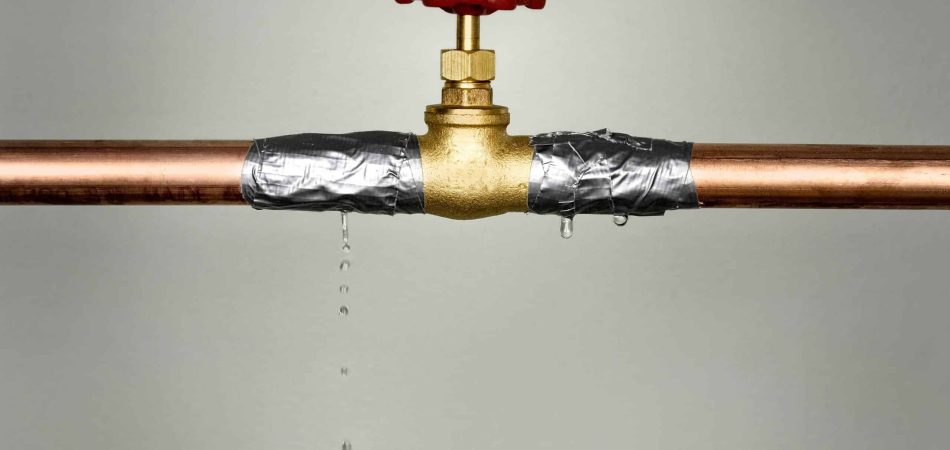
Pipe repair tape wraps tightly around the leak spot. Clean the pipe surface before wrapping. Stretch the tape as you wrap for a strong hold. Overlap each layer to cover the hole completely. The tape seals leaks and prevents water from escaping.
Rubber Patch Method
Use a piece of rubber to cover the pinhole. Cut the rubber larger than the leak. Wrap it around the pipe over the hole. Secure with hose clamps or strong tape. This method blocks water flow until a permanent fix is made.
Credit: www.instructables.com
Permanent Repair Methods
Pinhole leaks in copper water pipes need a strong fix. Temporary patches may stop the drip for a while. Permanent repair methods solve the problem for good. These methods restore the pipe’s strength and stop leaks fully.
Choose a repair method that fits your tools and skills. Safety matters. Turn off water before starting any repair. Wear gloves and eye protection.
Soldering The Leak
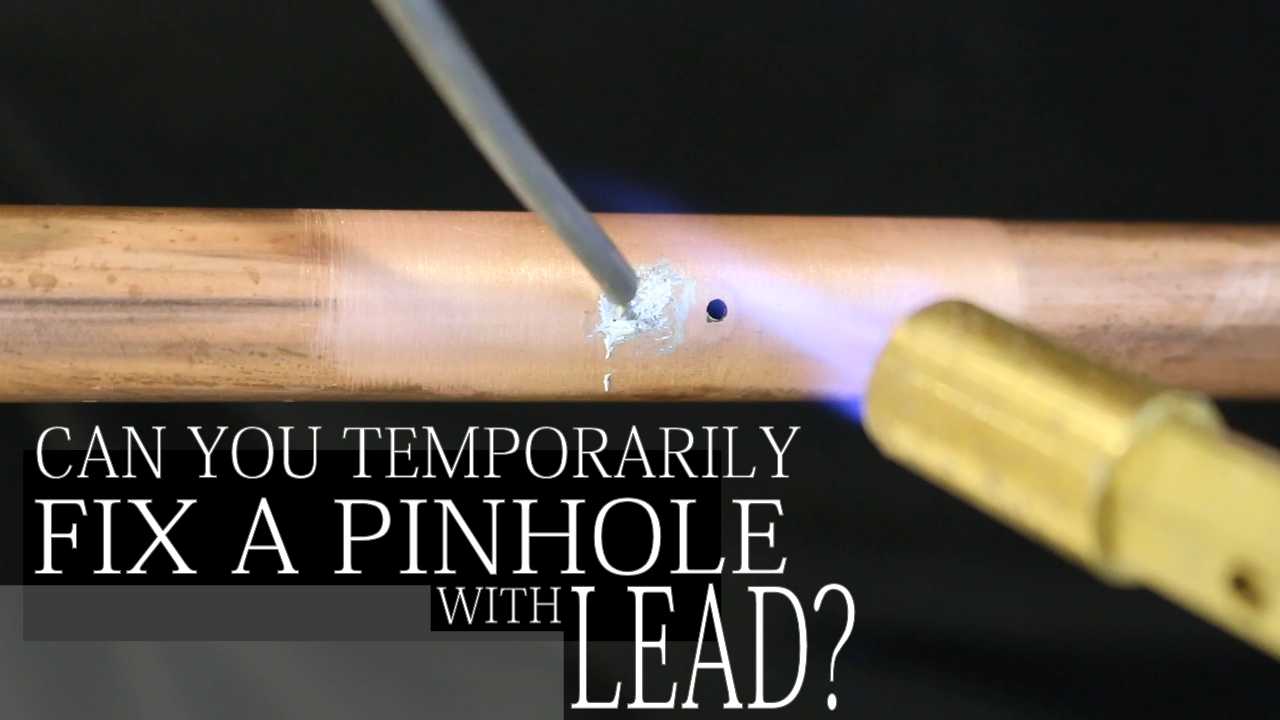
Soldering closes small holes by melting metal around the leak. First, clean the pipe area with sandpaper. Remove any dirt or corrosion. Heat the pipe with a propane torch. Apply solder to the hot spot. The solder melts and seals the pinhole. Let the pipe cool before turning water back on. This fix is strong and lasting. It works best on small leaks.
Replacing The Damaged Section
Cut out the damaged pipe part if the hole is too large. Use a pipe cutter for a clean cut. Measure and prepare a new copper pipe piece. Join it with copper fittings and solder. This method removes the weak spot completely. It gives a like-new pipe section. It takes more time but is very reliable.
Using Compression Fittings
Compression fittings offer a no-solder option for repair. Cut out the leaking pipe section. Slide compression nuts and rings on the pipe ends. Push the fitting in place between the pipe ends. Tighten the nuts with a wrench. The fitting seals the leak tightly. This method suits tight spaces or when soldering is tricky. It holds well and lasts long.
Preventing Future Pinhole Leaks
Preventing future pinhole leaks in copper water pipes saves time and money. Small leaks often start from corrosion or damage. Taking steps to protect pipes helps avoid costly repairs later. Simple habits and care keep pipes strong and leak-free for years.
Regular Pipe Maintenance
Check pipes often for signs of wear or damage. Look for green or white spots, which show corrosion. Clean pipes gently to remove dirt and buildup. Tighten loose fittings to stop leaks early. Regular checks catch problems before they grow.
Water Quality And Corrosion Control
Test water for acidity and minerals. High acidity or minerals speed up corrosion in copper pipes. Use water softeners or filters to improve water quality. Adding corrosion inhibitors protects pipes inside. Clear, balanced water keeps pipes safe and healthy.
Insulating Pipes
Cover pipes with foam or rubber insulation. Insulation stops pipes from freezing in cold weather. It also reduces moisture that causes corrosion. Insulated pipes last longer and stay leak-free. Insulation is an easy step to protect copper pipes.
When To Call A Professional
Knowing when to call a professional for a pinhole leak in a copper water pipe is very important. Some leaks are small and easy to fix, but others need expert help. Calling a plumber at the right time can save money, prevent damage, and ensure safety.
Signs The Leak Is Serious
Water pooling near the pipe is a serious sign. A constant drip that won’t stop also means the leak is bad. Rust or corrosion around the pipe shows damage that needs expert repair. If you see mold or damp spots on walls, the leak might be hidden and large. Sudden drops in water pressure can mean a big leak inside the pipe.
Safety Considerations
Water and electricity near each other are dangerous. If your leak is close to electrical wiring, call a professional. Pipes under floors or behind walls can cause more damage if handled wrong. Copper pipes carry hot water sometimes, so burns are possible. Professionals have the right tools and training to fix leaks safely.
Cost Vs. Diy Benefits
Fixing small leaks yourself can save money. But the cost of a bad repair can be much higher. Professionals fix leaks right the first time. They prevent bigger problems and costly damage later. DIY repairs can use wrong materials and cause more leaks. Spending a little on a plumber can save money in the end.
Credit: www.tnstandard.com
Frequently Asked Questions
What Causes Pinhole Leaks In Copper Water Pipes?
Pinhole leaks often result from corrosion or water acidity. Poor water quality and pipe age also contribute. Small holes form, causing slow leaks.
How Can I Find A Pinhole Leak In Copper Pipes?
Look for wet spots, water stains, or mold near pipes. Listen for dripping sounds. Check pipes for green or white corrosion marks.
Can I Fix A Pinhole Leak Without Replacing The Pipe?
Yes, small leaks can be fixed with repair clamps or epoxy putty. These provide a temporary seal until full replacement is possible.
What Tools Do I Need To Fix A Pinhole Leak?
Basic tools include a pipe cutter, sandpaper, repair clamp, epoxy putty, and a wrench. Safety gloves and a bucket help too.
How Do I Prepare The Pipe Surface Before Repair?
Clean the pipe with sandpaper to remove rust and dirt. Dry the area thoroughly for better adhesion of repair materials.
Is Epoxy Putty Effective For Fixing Pinhole Leaks?
Epoxy putty seals small leaks quickly and lasts for months. It is easy to use and works well for temporary fixes.
When Should I Replace The Copper Pipe Instead Of Repairing?
Replace the pipe if leaks are large, frequent, or if corrosion covers many areas. Replacement ensures long-term safety and prevents future leaks.
Can Water Pressure Affect Pinhole Leaks In Copper Pipes?
High water pressure can worsen pinhole leaks by stressing the pipe walls. Lowering pressure may reduce leak severity and pipe damage.
How Long Does A Pinhole Leak Repair Usually Last?
Temporary repairs last from a few months to a couple of years. Permanent fixes or replacements last much longer.
Should I Call A Professional Plumber For Pinhole Leaks?
Call a plumber if you are unsure or if leaks keep returning. Professionals ensure safe, lasting repairs and can spot hidden problems.
Conclusion
Fixing a pinhole leak in a copper water pipe is doable with the right steps. Act quickly to prevent water damage and save money. Use proper tools and materials for a lasting repair. Regularly check pipes for new leaks or damage.
Small problems can turn into big ones if ignored. Stay calm, follow the guide, and restore your water system. Simple fixes keep your home safe and dry. You can handle this repair yourself with patience and care.