
Is your car battery failing to hold a charge, leaving you stranded or frustrated every time you try to start your vehicle? You’re not alone, and the good news is you don’t always have to rush out and buy a new one.
Understanding why your battery won’t hold a charge and learning some simple fixes can save you time, money, and stress. You’ll discover easy, practical steps that anyone can follow to bring your battery back to life. Keep reading—you’re just a few fixes away from getting your car running smoothly again.
Signs Of A Failing Battery
A car battery that does not hold a charge shows clear signs before it stops working completely. Recognizing these signs early can save time and avoid being stranded. Battery problems affect the car’s starting and electrical systems.
Watch for changes in how the car behaves when starting or using electrical parts. These hints help decide if the battery needs fixing or replacing.
Slow Engine Crank
The engine turns over slower than usual when you start the car. It may take longer to start or struggle to start at all. This happens because the battery cannot supply enough power to the starter motor.
Dim Lights And Electrical Issues
Headlights and dashboard lights look dimmer than normal. Other electrical components, like power windows or radio, may work slowly or stop. A weak battery cannot keep enough power for these systems.
Frequent Jump Starts
Needing a jump start often shows the battery is losing its charge. If the car starts fine after a jump but fails later, the battery may be faulty. Frequent jumps can damage the battery and reduce its life.

Credit: www.carparts.com
Common Causes Of Battery Drain
Car batteries lose charge for several reasons. Knowing these common causes helps fix the problem fast. A battery that won’t hold a charge often has simple issues. Fixing these can save time and money. Below are the main causes of battery drain to check first.
Corroded Battery Terminals
Battery terminals can get covered in a white or blue powder. This is corrosion. Corrosion stops the battery from sending power to the car. It also makes the battery charge drain faster. Cleaning the terminals with a brush and baking soda can help. This restores a good connection and stops battery drain.
Parasitic Electrical Drain
Some car parts use power even when the engine is off. This is called parasitic drain. Lights inside the car, alarms, or faulty wiring can cause it. If these parts draw power all the time, the battery gets weak. Finding and fixing these electrical leaks stops the battery from dying quickly.
Old Or Damaged Battery
Batteries wear out over time. An old battery cannot hold a charge well. Damage from heat, cold, or leaks also hurts battery life. Testing the battery with a voltmeter shows if it’s bad. Replacing old or damaged batteries is often the only fix. This ensures the car starts every time.
Safety Precautions Before Starting
Working on a car battery can be risky without the right safety steps. Batteries contain acid and produce gases that can harm your skin, eyes, and lungs. Taking safety precautions lowers the chance of injury and damage.
Before fixing a battery that won’t hold a charge, prepare yourself and your workspace carefully. Follow simple rules to stay safe and keep your repair task smooth.
Wear Protective Gear
Always wear gloves and safety goggles before touching the battery. Gloves protect your hands from acid and dirt. Goggles shield your eyes from splashes and harmful gases. Use old clothes or a protective apron to avoid stains.
Work In A Well-ventilated Area
Battery gases can build up in closed spaces and cause harm. Work outside or in a garage with open doors and windows. Fresh air keeps dangerous gases from collecting around you. Avoid smoking or sparks near the battery to prevent fire risks.
Disconnect The Battery Properly
Start by turning off your car and removing the keys. Always disconnect the negative terminal first to stop electrical shorts. Use a wrench to loosen the terminal clamp gently. Then, disconnect the positive terminal carefully. Never touch both terminals with metal tools at the same time.
Tools And Materials Needed
Fixing a car battery that won’t hold a charge needs the right tools and materials. Having these ready helps you work safely and efficiently. Each tool plays a key role in testing, cleaning, or replacing the battery.
Multimeter For Testing
A multimeter measures the battery’s voltage and current. It shows if the battery holds a proper charge. You can spot problems like a dead cell or bad connections. Using a multimeter is simple and fast. It helps decide if the battery needs repair or replacement.
Battery Cleaner And Brushes
Corrosion on battery terminals blocks power flow. A battery cleaner removes dirt and acid buildup. Special brushes scrub off corrosion without damaging the battery. Clean terminals improve charging and performance. Keeping terminals clean prevents future issues.
Replacement Battery Or Cells
Sometimes, a battery cannot be fixed and needs replacement. You may replace the whole battery or just the bad cells. Choose a battery or cells that fit your car’s make and model. Proper replacements ensure your car starts reliably every time.
Step-by-step Battery Inspection
Start by inspecting the car battery carefully. A thorough check helps find the root cause of charging issues. This step-by-step guide walks through the key tests needed. Each step is simple and clear.
Check Voltage With A Multimeter
Use a multimeter to measure the battery voltage. Set the device to DC volts and connect its leads to the battery terminals. A fully charged battery should read about 12.6 volts. Readings below 12.4 volts mean the battery is undercharged. Take note of the voltage before and after charging.
Inspect For Corrosion And Damage
Look closely at the battery terminals and cables. White or greenish powder means corrosion. Corrosion blocks electrical flow and weakens the charge. Clean terminals gently with a mix of baking soda and water. Also, check for cracks or leaks on the battery case. Damaged batteries need replacement.
Test For Parasitic Drain
Parasitic drain happens when something uses power even when the car is off. Use the multimeter set to amps to test for this drain. Disconnect the negative battery cable and connect the meter in series. A small drain is normal, but anything over 50 milliamps can drain the battery quickly. Find and fix the source of the drain to protect the battery.
Cleaning And Maintaining Battery Terminals
Keeping your battery terminals clean is key to a healthy car battery. Dirt and corrosion block power flow. This makes your battery lose charge fast. Regular cleaning and maintenance keep your battery strong. It helps your car start smoothly every time.
Remove Corrosion Safely
Wear gloves and eye protection. Corrosion looks like white or green powder. Use a mix of baking soda and water. Apply it to terminals with a brush. Scrub gently to remove buildup. Rinse with clean water and dry with a cloth.
Apply Protective Coating
After cleaning, apply a thin layer of petroleum jelly. This stops corrosion from coming back. You can also use a commercial battery terminal protector. Cover terminals evenly to seal them. This simple step extends battery life.
Reconnect Terminals Securely
Attach the terminals to battery posts tightly. Loose connections cause poor power flow. Use a wrench to tighten bolts. Check that terminals do not move. Proper fit ensures steady electrical contact.
Recharging A Weak Battery
Recharging a weak car battery can bring life back to your vehicle. A battery that doesn’t hold charge needs a boost to regain power. This process is simple but requires care. Follow these steps to recharge your battery safely and effectively.
Using A Battery Charger
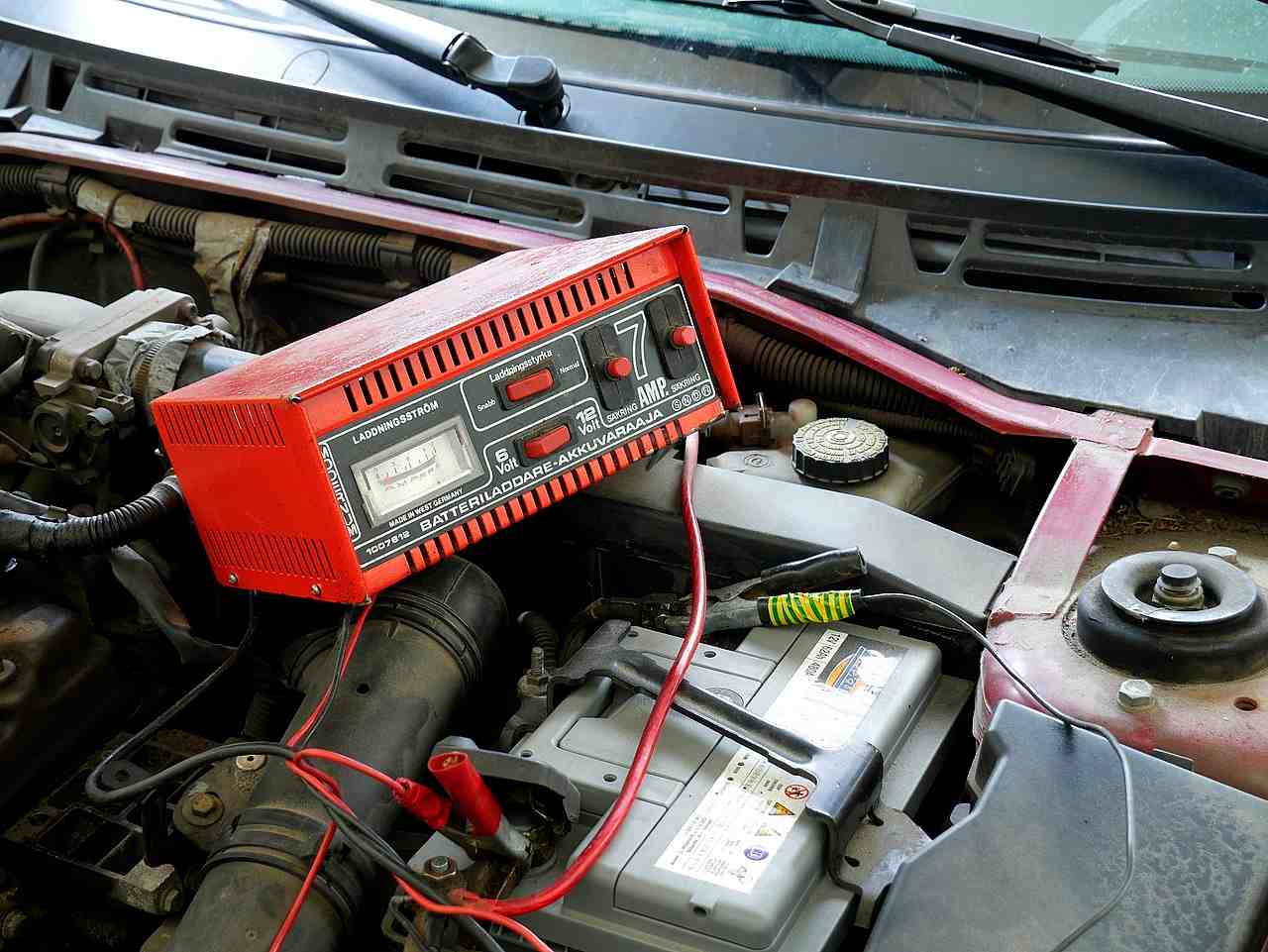
A battery charger is the safest way to recharge a weak battery. Connect the charger clamps to the battery terminals. Red clamp goes to positive (+), black clamp to negative (–). Plug in the charger and set it to the correct voltage. Let the charger work until the battery is full. This method restores power without risking damage.
Jump Starting The Vehicle
Jump starting gives your battery a quick boost. Use jumper cables and another car with a good battery. Attach red clamps to both positive terminals. Connect black clamps to the good battery’s negative and the dead battery’s metal ground. Start the working car, then the dead car. Let it run to recharge the battery.
Charging Time And Precautions
Charging time depends on battery size and charger power. It can take a few hours to overnight. Never leave the charger unattended for long periods. Check the battery for leaks or damage before charging. Avoid sparks or flames near the battery. Proper ventilation is important to avoid gas buildup.

Credit: www.carparts.com
When To Replace The Battery
Knowing when to replace a car battery saves time and avoids unexpected breakdowns. A battery that does not hold a charge might still be fixable. But some problems mean replacement is the only option. Watch for clear signs that your battery is beyond repair. Choose a new battery carefully to suit your car’s needs. Also, dispose of the old battery safely to protect the environment.
Signs Of Irreparable Damage
Look for corrosion on battery terminals that cleaning cannot fix. Cracks or leaks in the battery case are serious. Swollen or bulging battery sides show internal damage. A battery older than three to five years may fail soon. If the battery cannot hold a charge after multiple attempts, replacement is necessary.
Choosing The Right Replacement
Select a battery that matches your car’s size and power needs. Check the cold cranking amps (CCA) rating for your climate. Buy a battery with a good warranty for peace of mind. Choose a brand with reliable reviews and service support. A proper fit ensures easy installation and long life.
Proper Battery Disposal
Car batteries contain harmful chemicals and must not go in regular trash. Take the old battery to a recycling center or auto parts store. Many places offer battery recycling for free or a small fee. Recycling helps recover valuable materials and keeps the environment safe. Never leave a used battery where it can leak or cause harm.
Preventing Future Battery Issues
Preventing future battery problems saves time and money. A well-maintained battery lasts longer and works better. Small steps can stop issues before they start. Follow these simple tips to keep your car battery healthy and reliable.
Regular Maintenance Tips
Check your battery connections often. Clean any dirt or corrosion on the terminals. Tighten loose cables to keep a strong connection. Test the battery voltage every few months. Replace the battery if it shows signs of weakness. Keep an eye on the battery case for cracks or leaks.
Avoiding Short Trips
Short trips do not fully charge your battery. The alternator needs time to recharge after starting the car. Drive longer distances to give the battery a proper charge. Avoid stopping and starting the engine too often. This helps the battery stay healthy and hold charge longer.
Battery Storage Best Practices
Store the battery in a cool, dry place if not in use. Avoid extreme temperatures that can damage the battery. Disconnect the battery from the car to prevent drain. Use a battery maintainer or trickle charger for long storage. Check the battery charge regularly during storage.
Credit: carfromjapan.com
Frequently Asked Questions
How Do I Know If My Car Battery Won’t Hold A Charge?
Look for slow engine start and dim headlights. These signs often mean battery issues.
What Causes A Car Battery To Lose Its Charge Quickly?
Old age, extreme temperatures, and leaving lights on drain the battery fast.
Can I Fix A Battery That Doesn’t Hold Charge Myself?
Yes, cleaning terminals and tightening connections can help. But deep problems need a pro.
How Can I Clean Corroded Battery Terminals Safely?
Use a mix of baking soda and water with a brush. Always wear gloves and eye protection.
Does Charging A Dead Battery Always Work?
Sometimes, but not always. If the battery is old or damaged, charging may fail.
What Tools Do I Need To Fix A Battery That Won’t Hold Charge?
Basic tools like a wrench, wire brush, and a battery charger are needed.
How Often Should I Test My Car Battery’s Charge?
Test it every 3 to 6 months, especially before winter or summer seasons.
Can Extreme Weather Damage My Car Battery’s Ability To Hold Charge?
Yes, very cold or hot weather can weaken the battery and reduce performance.
Is It Safe To Jump-start A Car With A Bad Battery?
Jump-starting can help temporarily, but a bad battery needs replacement soon.
When Should I Replace My Car Battery Instead Of Fixing It?
Replace if the battery is over 3-5 years old or fails to hold a charge after charging.
Conclusion
Fixing a car battery that won’t hold charge takes patience and care. Start by cleaning the terminals and checking for corrosion. Test the battery’s health regularly to catch problems early. Replace the battery if it shows signs of damage or old age.
Keep your car’s electrical system in good shape to avoid future issues. Simple steps can save time and money. A working battery means a reliable car every day. Stay attentive, and your battery will last longer.