
Is your PC turning your room into a sauna? We get it.
That powerful machine you love can also be a significant heat generator, making your personal space uncomfortable, especially when you’re trying to focus or relax. You’ve probably tried opening windows, but sometimes that’s just not enough. Don’t sweat it! We’ll show you exactly how to combat that rising temperature and reclaim your cool.
You’ll discover simple, effective strategies to make your room a comfortable haven again, even with your PC running at full throttle. Keep reading to find out how.
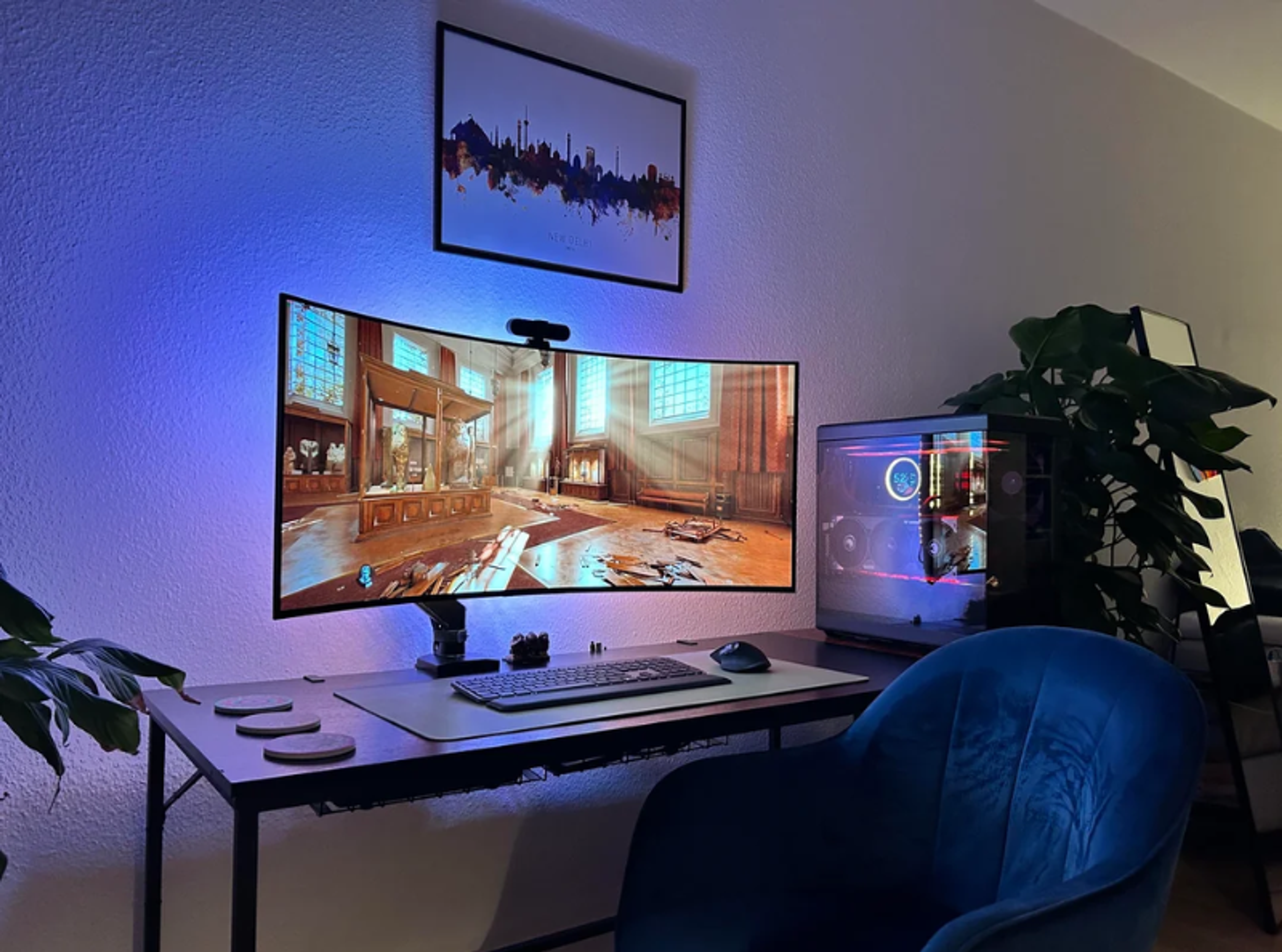
Credit: hyte.com
Pc’s Heat Contribution
Your computer generates heat. This is a fact of life. It’s a significant factor. Cooling your room becomes harder. Your PC is a heat source. It adds to the room’s temperature. Understanding this is key. It helps you find solutions.
Identifying Heat Sources
Your PC has many hot parts. The CPU is a big one. The graphics card also gets hot. Power supply units generate heat. Even hard drives produce warmth. These components work hard. They create a lot of heat. This heat escapes into your room. It makes the air warmer.
Fan Impact
Fans move air. They push hot air out. They also pull cool air in. PC fans help reduce internal heat. They vent hot air into the room. This adds to the room’s warmth. More fans mean more heat. They try to cool the PC. But the heat goes somewhere.

Credit: www.autonomous.ai
Optimizing Pc Airflow
Your computer generates heat. This heat warms your room. Better airflow cools your PC. A cooler PC means a cooler room. Let’s make your PC work smarter.
Case Fan Placement
Fans move air. They push hot air out. They pull cool air in. Place intake fans at the front. Put exhaust fans at the back. Some cases have top vents. Use them for exhaust too. Good placement is key. It creates a constant flow. Air goes where it needs to go.
Cable Management
Messy cables block air. They create hot spots. Tidy your cables. Use zip ties or Velcro straps. Route cables behind the motherboard tray. Clean cables allow better airflow. This helps everything run cooler. A tidy PC is a happy PC.
Dust Removal
Dust is an insulator. It traps heat. It clogs fans. It blocks vents. Clean your PC regularly. Use compressed air. Focus on fans and heatsinks. Wipe down dust filters. A clean PC breathes better. This reduces overall heat output.
External Cooling Strategies
External cooling strategies use your PC’s environment. They move heat away from your computer. This keeps your PC running smoothly. It also makes your room more comfortable.
Strategic Fan Placement
Your PC has fans. These fans push hot air out. Place your PC where air can flow freely. Avoid tight spaces. This helps the fans work better. It lets warm air escape easily. Consider extra case fans. Mount them for better airflow. Intake fans bring cool air in. Exhaust fans push hot air out. Proper placement is key.
Ventilation Points
Think about your room’s airflow. Open doors help. This connects rooms. It allows air to move. Create cross-ventilation. Open windows on opposite sides. This creates a breeze. It pulls cool air through. It pushes warm air out. Blocked vents are bad. Ensure vents are clear.
Window Strategies
Windows let heat in. They also let cool air out. Close blinds during the day. This blocks direct sun. It stops solar heat gain. Open windows at night. The air is cooler then. Let that cool air come in. This naturally cools your room. Curtains can also help. Dark, thick curtains are best. They block more sunlight.

Credit: www.reddit.com
Pc Component Tweaks
PC component tweaks offer smart ways to cool your room. These adjustments focus on your computer’s parts. They reduce heat output directly. You can make your PC work less hard. This means less heat for your space.
Lowering Cpu Load
Your CPU generates significant heat. Close unneeded background programs. These programs use CPU power. Fewer programs mean less work. Less work means less heat. Check your Task Manager. See what uses the most CPU. End tasks you do not need.
Gpu Settings
Your graphics card also gets hot. Lowering game settings helps. This reduces GPU workload. You can cap your frame rate. This stops the GPU from overworking. Lowering resolution also works. Your GPU will run cooler. Less heat escapes into the room.
Power Management
Adjust your PC’s power settings. Use a balanced power plan. This limits peak performance. It reduces overall power draw. Lower power draw means less heat. You can also adjust sleep settings. Let your PC sleep more often. This stops unnecessary heat. These small changes add up.
Environmental Adjustments
Your PC generates heat. Environmental adjustments help cool your room. Simple changes make a big difference.
Making small changes can help. These adjustments improve your room’s environment. They make it cooler.Curtains And Blinds
Close your curtains. Use blinds too. Keep them shut during the day. Sunlight heats your room. Block the sun’s rays. Darker curtains work best. They absorb more light. Lighter colors reflect light. Consider blackout curtains. They are very effective.Room Layout
Move your PC. Don’t place it near a window. Windows let in heat. Keep furniture away from vents. Air needs to flow freely. Open doors to other rooms. This helps air circulate. Create cross-breezes.Humidity Control
High humidity feels hotter. Use a dehumidifier. It removes moisture. Open windows when it’s dry. This brings in fresh air. Avoid drying clothes inside. This adds moisture. Use fans effectively. They move air around. This helps you feel cooler.Advanced Cooling
Your PC generates heat. This warms up your room. Advanced cooling strategies can help. They manage PC heat effectively.
Your PC generates a lot of heat. This heat can make your room feel warm. Advanced cooling methods tackle this heat directly. They keep your PC running smoothly. Your room stays cooler too.Liquid Cooling Considerations
Liquid cooling is very effective. It moves heat away from components. Water or coolant absorbs the heat. This heated liquid then goes to a radiator. Fans push air through the radiator. The heat escapes into the air. This process cools the liquid. The cooled liquid returns to your PC. Choosing the right liquid cooler matters. All-in-one (AIO) coolers are simple. Custom loops offer more control. They require more setup. Check radiator size. Bigger radiators cool better. Ensure pump power is adequate. Research fan noise levels.Case Modifications
Modifying your PC case helps airflow. Better airflow means better cooling. You can add more fans. Mount fans for intake and exhaust. Intake fans bring cool air in. Exhaust fans push hot air out. Consider fan placement carefully. Front intake is common. Rear exhaust is also good. Top exhaust helps hot air rise. Side panel vents improve airflow. Dust filters are a good idea. They keep dust out. Clean filters improve cooling. Drilling holes can add vents. This requires care and skill. Some cases allow radiator mounting. Mount radiators for optimal airflow. Ensure no components block airflow. Good cable management is vital. Tidy cables do not block air.Frequently Asked Questions
How Can My Pc Make My Room Hot?
Your PC generates a lot of heat. This heat escapes into the air. Over time, this warmth builds up in your room.
What’s The Fastest Way To Cool A Room With A Pc?
Turn off your PC and open windows. This is the quickest method. It lets hot air out fast.
Can I Use My Pc Fan To Cool The Room?
Yes, your PC fan helps a bit. It moves air around inside the computer. This can help push some warm air out.
How Can I Reduce Pc Heat In My Room?
Improve your PC’s airflow. Clean dust from fans and vents. Consider a cooler PC case.
Will Closing Pc Vents Cool My Room?
No, closing vents traps heat inside. This makes your PC hotter. It also heats your room more.
What Is The Best Way To Cool A Room?
Open windows and use fans. Create a cross breeze. This is very effective.
Can My Pc’s Exhaust Fan Cool My Room?
It can help slightly. The fan pushes warm air out. This removes some heat from the room.
Conclusion
Your PC generates heat. Cool your room effectively. Try these simple tips. Open windows for fresh air. Use fans strategically. Clean your PC regularly. Reduce PC load when possible. Enjoy a cooler space. Simple steps make a big difference. Stay comfortable at home.