
Ever accidentally spilled coffee on your keyboard? Or maybe a beloved vintage game console isn’t working quite right because of a faulty switch?
Don’t toss it just yet! Learning how to desolder switches is a superpower for any electronics hobbyist or fixer. It’s the key to repairing, upgrading, or even salvaging parts from your favorite gadgets. Ready to breathe new life into your electronics?
We’ll walk you through exactly how to do it, step-by-step, so you can tackle those tricky desoldering jobs with confidence.
Why Desolder Switches?
You might need to desolder switches for repairs. Replacing a faulty switch is common. This process allows for component upgrades too.
Credit: switchandclick.com
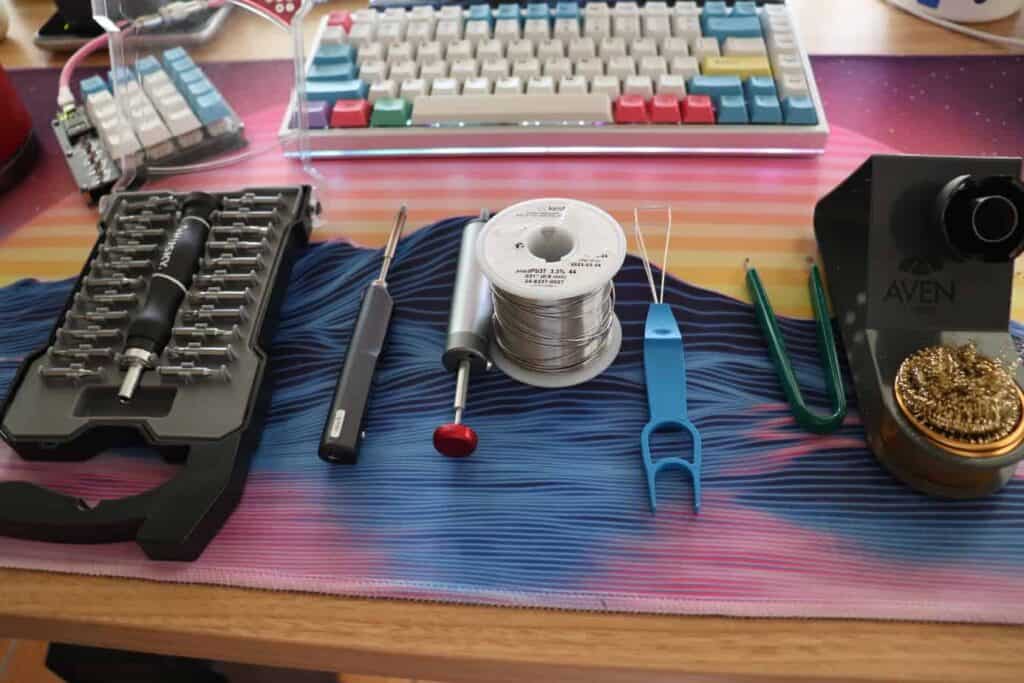
Essential Tools For Desoldering
You need the right tools for desoldering switches. A desoldering pump removes molten solder. Solder wick absorbs excess solder. These make switch removal easier.
Preparing For Desoldering
Gather your tools. A clean workspace is essential. Ensure good lighting.
Desoldering Techniques
Removing switches requires care. You can use a desoldering pump. A desoldering braid also works well. These tools help remove old solder cleanly.
Here are several ways to remove solder. Each method works well. Choose the best one for your needs. Practice makes perfect.Using A Desoldering Pump
A desoldering pump is a tool. It sucks up melted solder. Heat the solder joint. Press the pump’s trigger. It pulls the molten solder away. This leaves a clean pad. It is a quick process.Using Desoldering Wick
Desoldering wick is a braid. It is made of copper. It soaks up melted solder. Heat the solder joint. Touch the wick to the solder. The wick absorbs the solder. Remove the hot wick carefully. Repeat as needed. It is very effective.The ‘drag’ Method
This method uses a soldering iron. You need a wide tip. Heat the solder joint. Drag the iron across pads. Solder flows onto the tip. This clears the connection. It takes some practice. You can clear multiple pins.Dealing With Stubborn Solder
Some solder is difficult. It might be old. It might be oxidized. Add a little fresh solder. This helps melt the old solder. Then use a pump or wick. Sometimes a desoldering gun helps. These tools have strong suction. Patience is key here. Don’t force it.Removing The Switch
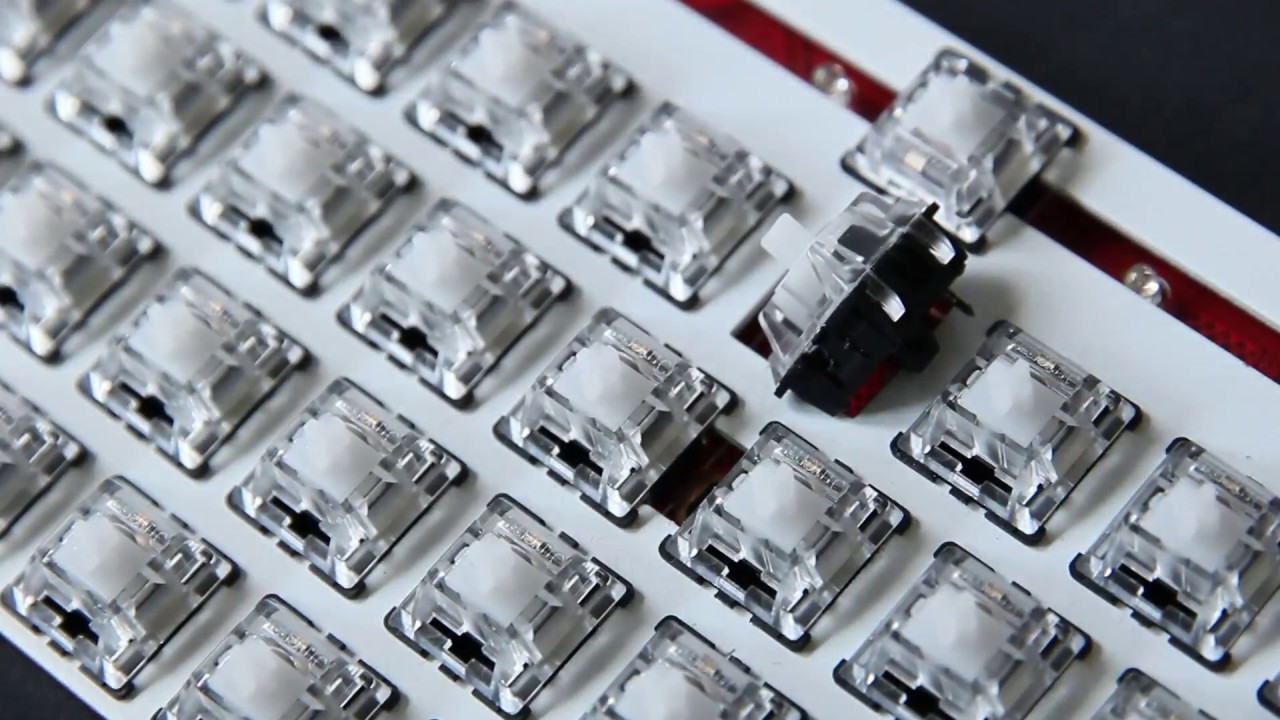
Carefully remove switches with a soldering iron. Melt the solder holding the switch. Gently pull the switch free. This process is key to replacing old components.
Removing the switch is a crucial step. This requires care. We want to protect the circuit board. A gentle approach works best.Gentle Extraction
Heat the solder joint. Use your soldering iron. The solder will melt. Gently pull the switch leg. A desoldering pump helps. It sucks up molten solder. Repeat for all pins. Be patient. Do not force it.Avoiding Pad Damage
Circuit board pads are delicate. Ripping the switch damages them. This makes reassembly hard. Use a desoldering wick. It absorbs excess solder. It also cleans the pads. Apply it to the joint. Then use the iron. The wick soaks up solder. This prevents lifting pads. Lift the switch slowly. Check for stuck pins. Reheat if needed.Cleaning Up
Cleaning up is vital. It makes your work look professional. Good cleaning prevents future issues. It prepares the board for new components. Take your time with this step.
Solder Residue Removal
Leftover solder is messy. It can cause shorts. Use desoldering braid. This is also called wick. Apply heat to the braid. It soaks up molten solder. Work slowly and carefully. Repeat as needed. Clean all the pads.
Flux Cleaning
Flux helps solder flow. It leaves a sticky residue. This residue attracts dirt. It can corrode the board. Use isopropyl alcohol. Get a high percentage alcohol. Use a soft brush. Gently scrub the area. A cotton swab also works. Wipe away the residue. Let the board dry completely. A clean board is a happy board.
Common Pitfalls To Avoid
Don’t overheat components. Use the right solder wick size. Avoid rushing the process. These steps prevent damage.
Credit: www.reddit.com
Advanced Desoldering Tips
Ready to take your switch desoldering skills up a notch? Advanced techniques can make tough jobs easier. These methods offer more control. They help protect your components. Let’s explore some expert tips.
Hot Air Rework Stations
Hot air is very helpful. It heats up solder joints. This makes them melt quickly. A good hot air station has controls. You can set the temperature. You can adjust the airflow. This prevents damage. Use a small nozzle. Aim it directly at the solder. Move it around gently. The solder will become liquid. Then, pull the switch away. Use desoldering braid for cleanup.
Pre-heating Boards
Pre-heating is a smart step. It warms the entire board. This reduces thermal shock. Thermal shock can crack components. It also helps solder flow. Use a pre-heat station. Or use a heat gun carefully. Keep the temperature low. Aim for around 100-150 degrees Celsius. This makes desoldering faster. It protects the board. Apply heat evenly. Do not overheat any area.
Working With Surface Mount Switches
Surface mount switches are small. They require precise work. Hot air is often best. Use a fine-tip nozzle. Set a lower temperature. Apply heat to all pins. Wiggle the switch gently. It should lift off easily. If it sticks, add a little solder. This helps heat transfer. Then try desoldering again. Solder wick is also useful. Use it to absorb excess solder. Patience is key here.
Credit: www.reddit.com
Frequently Asked Questions
What Tools Do I Need For Desoldering Switches?
Gather a soldering iron, desoldering pump, desoldering wick, and safety glasses. A helping hand tool is also very useful. Always work in a well-ventilated area.
How Do I Safely Remove A Switch?
Heat the solder joint with your iron. Use the desoldering pump or wick to remove the melted solder. Gently pull the switch from the board.
Can I Reuse Old Solder?
Yes, you can reuse old solder. Melt it again with your iron. Clean the tip of your iron often.
What Is The Best Way To Clean A Pcb?
Use isopropyl alcohol and a brush. Gently scrub the area around the switch. Let the board dry completely before use.
How Do I Avoid Damaging The Pcb?
Use the right temperature on your iron. Do not apply too much force. Work slowly and carefully.
What If A Switch Is Stuck?
Apply a little fresh solder to the joint. This helps the old solder melt again. Try desoldering again with the pump or wick.
How Can I Prevent Bad Solder Joints?
Ensure good contact with the joint. Use enough solder for a smooth connection. Practice makes perfect for good joints.