
Is your vibrant LED strip light display looking a little…off? Seeing weird colors where there should be bright, uniform light can be frustrating.
Don’t worry, you’re not alone, and the good news is, you can often fix discolored LED strip lights yourself. This guide will walk you through the common causes and simple solutions to get your lights looking their best again. Let’s dive in and bring back the brilliance to your space!
Why Led Strips Discolor
LED strip lights discolor. This is frustrating. Many reasons cause this. Understanding them helps. It helps you fix them too.
Uv Exposure
Sunlight harms LEDs. Ultraviolet rays break them down. The plastic casing fades. Colors change over time. This happens outdoors. Indoor lights can also fade. Windows let UV light in.
Heat Damage
LEDs get hot. Too much heat is bad. It damages internal parts. The light output suffers. Colors shift. Reddish or yellowish tints appear. Poor ventilation causes this. Overdriving LEDs also heats them.
Water Intrusion
Water and electronics do not mix. Moisture can seep in. This corrodes the circuits. It causes shorts. Discoloration is a symptom. It often looks patchy. Water resistance is important. Check your IP rating.
Aging Components
LEDs have a lifespan. Components degrade over time. The diodes themselves age. Their color output changes. This is natural wear. Cheaper LEDs age faster. Quality matters for longevity.
Manufacturing Defects
Sometimes, LEDs are faulty. Poor quality control happens. Bad solder joints occur. Inconsistent chip batches exist. These defects cause early failure. Discoloration is a common sign. It might appear right away.
Troubleshooting Color Issues
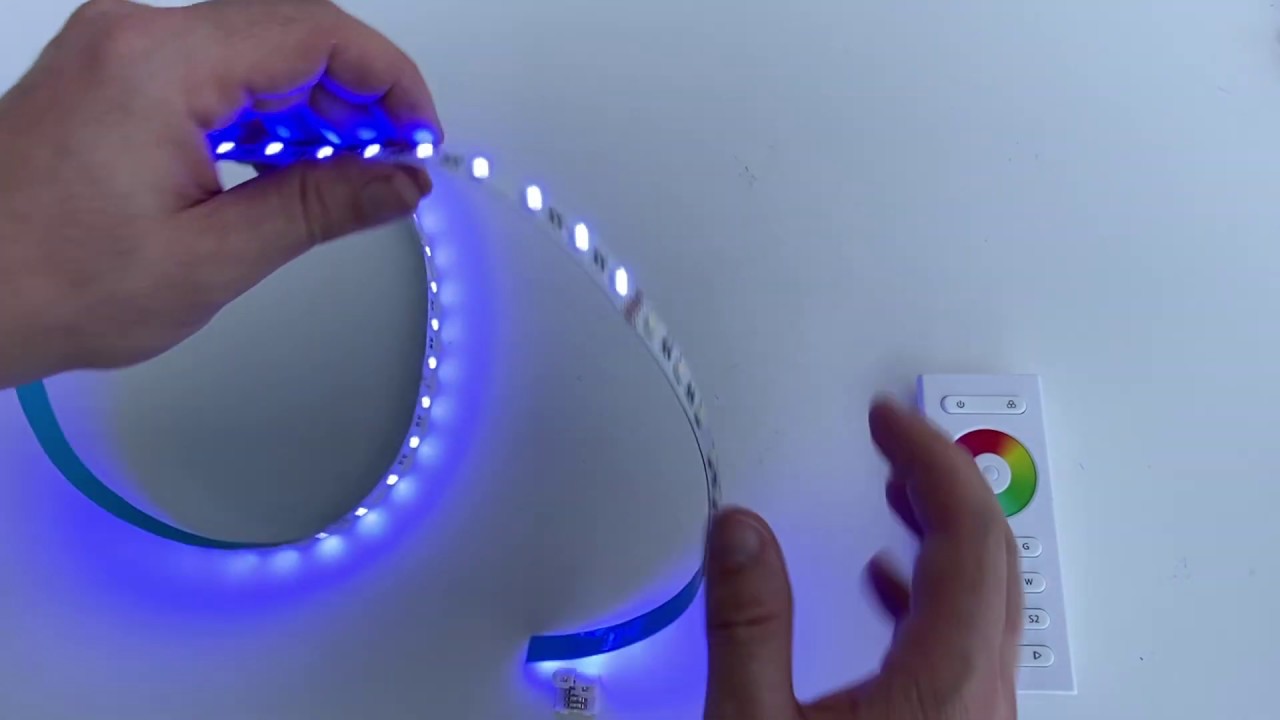
Discolored LED strip lights? Fixing them is often simple. Check connections first. Then, try adjusting the controller settings.
When your LED strip lights show the wrong colors, it’s frustrating. Don’t worry. Troubleshooting color issues is straightforward. We will guide you. Follow these steps. You can fix the problem. Get your lights back to normal.Check Connections
Loose connections cause color problems. Check each wire connection. Ensure they are secure. Wiggle them gently. A poor connection is bad. This affects the light color.Inspect The Power Supply
The power supply might be failing. Look for any damage. Is it overheating? Is it the correct voltage? A weak power supply can cause issues. It might not power all colors.Examine The Controller
The controller manages colors. It might be faulty. Try resetting the controller. Check its settings carefully. Is the color selection correct? A broken controller is a common cause.Test Individual Segments
Divide the strip into sections. Test each segment separately. This helps pinpoint the fault. One bad segment can affect others. This isolates the problem area.Repairing Discolored Sections
Discolored LED strip lights can be frustrating. Don’t throw them away yet. You can often repair these sections. This guide helps you fix them. We will focus on repairing specific discolored areas. Get your lights looking bright again.
Cleaning The Strips
Dirt causes discoloration. Grime builds up over time. This blocks the light. Gently clean the LED strip. Use a soft, dry cloth. For stubborn dirt, use a damp cloth. Never use harsh chemicals. Alcohol can damage LEDs. Ensure the strip is dry. Then test the lights again. Often, this is all you need.
Replacing Damaged Segments
Sometimes, a segment is truly broken. Individual LEDs might fail. Look for burnt-out spots. You might see dark areas. These segments need replacement. Cut the strip at the marked lines. Use sharp scissors. Get a new, matching LED strip. Connect the new segment. Use the provided connectors. Ensure a secure connection. Test the repair. This restores full brightness.
Sealing Exposed Areas
Exposure causes damage. Moisture can get inside. This leads to corrosion. Corrosion causes discoloration. Check for any open connections. You might see exposed wires. Seal these areas carefully. Use waterproof silicone sealant. Apply a small amount. Cover the exposed parts completely. Let the sealant dry fully. This protects the strip. It prevents future problems.

Credit: sstlighting.com
Preventing Future Discoloration
Proper installation prevents future discoloration. Protect your LED strips from direct sunlight. Keep them away from moisture and extreme heat.
When To Replace Led Strips
Sometimes, fixing LED strip lights is not the best solution. Replacing them becomes necessary. This section helps you decide. When is it time for new lights?
Extensive Damage
Some damage is too severe. You see many broken LEDs. The entire strip looks damaged. Repairing this is difficult. A new strip is simpler. It offers better results.
Persistent Issues
You tried fixing the color. The problem keeps coming back. Flickering lights annoy you. Some sections do not light up. These persistent issues signal failure. New strips avoid future headaches. They provide consistent light.
Cost-effectiveness
Repair parts can cost money. Time spent fixing adds up. Sometimes, buying new is cheaper. New LEDs are often brighter. They use less energy too. Consider the long-term value. Replacement is often the smart choice.

Credit: verde-beach.com
Credit: www.youtube.com
Frequently Asked Questions
Why Are My Led Strip Lights Changing Color?
Your LED strip lights might change color due to a few common issues. This can include loose connections, damaged power supplies, or problems with the controller. Sometimes, the LEDs themselves can degrade over time.
How Can I Fix Discolored Led Strip Lights?
First, check all connections for looseness or corrosion. Ensure your power adapter is working correctly and matches the strip’s requirements. Try resetting the controller if yours has that feature.
What Causes Led Strips To Turn Yellow Or Brown?
Overheating is a frequent cause of yellowing or browning. This can happen if the strip is overloaded or not properly ventilated. Age and exposure to UV light can also contribute to discoloration.
Can I Repair Discolored Led Strip Sections?
It depends on the cause. If a connection is bad, fixing it might help. For damaged LEDs or widespread discoloration from age, replacing the section or the entire strip is often best.
Is It Safe To Use Discolored Led Strip Lights?
Discolored lights may indicate a problem. They could be overheating, posing a fire risk. It’s safer to investigate the cause or replace the strip.
How Do I Clean Led Strip Lights?
Gently wipe the strip with a soft, dry cloth. For stubborn dirt, use a slightly damp cloth with water only. Avoid harsh chemicals or abrasive cleaners.
Should I Replace My Led Strip If It’s Discolored?
Consider replacement if the discoloration is widespread. If the lights are old or overheating, new ones are a safer bet. A simple fix might work for minor issues.
Conclusion
Discolored LED strips happen. Don’t worry. You can fix them. Check your connections first. Loose wires cause problems. Inspect the power supply too. A faulty adapter needs replacing. Sometimes, the strip itself is bad. You might need a new one.
Simple steps bring back bright light. Enjoy your vibrant LEDs again.