
Sciatica pain can make even the simplest things, like sitting, feel impossible. You’re not alone.
Many people struggle to find a comfortable position when sciatica flares up. But what if there were simple adjustments you could make right now to ease that shooting pain? This article will show you exactly how to sit more comfortably, so you can get back to enjoying your day without constant discomfort.
Read on to discover the secrets to sitting pain-free.

Credit: www.kingskids.de
The Sciatic Nerve Explained
Understanding your sciatic nerve is key. It is your body’s longest nerve. It runs from your lower back down each leg. Pain from this nerve is sciatica. This section explains what it is.
What Is The Sciatic Nerve?
Your sciatic nerve starts deep in your lower back. It branches out through your hips and buttocks. Then it travels down the back of each thigh. It ends at your feet. This nerve controls muscles in your legs. It also sends feeling signals to your legs and feet. It is a vital pathway. It carries messages between your brain and your lower body.
Why Does Sciatica Hurt?
Sciatica happens when this nerve gets irritated. Something presses on the nerve. This pressure causes pain. The pain can range from mild to severe. It often feels like a sharp, shooting pain. Burning or tingling sensations are common. Sometimes, numbness occurs. Weakness in the leg can happen too. It affects your daily life. Sitting becomes difficult. Walking can be painful.
Common Causes Of Sciatica
Several things can cause sciatica. A herniated disc is a frequent culprit. This is when a disc in your spine bulges. It presses on the nerve root. Spinal stenosis is another cause. This is a narrowing of the spinal canal. Bone spurs can also irritate the nerve. Piriformis syndrome is less common. The piriformis muscle can spasm. It can pinch the sciatic nerve. Understanding the cause helps treatment.
Why Sitting Worsens Sciatica
Sitting often makes sciatica pain worse. This happens for several reasons. Understanding these reasons helps you find relief. Let’s explore why your chair becomes your enemy.
The Pressure Point
Your sciatic nerve is long. It runs from your lower back down your leg. Sitting puts direct pressure on this nerve. This pressure pinches the nerve. Pain shoots down your leg. It can feel sharp or like a burning sensation. Your glutes and hips also feel it.
Slouching’s Sinister Side
Many people slouch when sitting. This posture hurts your spine. It rounds your lower back. This movement irritates the nerve roots. The nerve roots connect to your sciatic nerve. Slouching compresses these sensitive areas. Good posture is vital. Bad posture fuels sciatica.
Limited Movement Matters
Sitting means staying still. Your body needs to move. Lack of movement stiffens muscles. It reduces blood flow. This can increase inflammation. Inflammation aggravates the sciatic nerve. Sitting for long periods limits circulation. This makes your pain persist.
Tight Hamstrings And Hips
Sitting for hours tightens muscles. Your hamstrings get very tight. Your hip flexors also shorten. Tight hamstrings pull on your pelvis. This can misalign your spine. It puts extra strain on your lower back. This strain affects the sciatic nerve. Tight hips contribute to nerve compression.
Finding Your Ideal Sitting Posture
Finding your ideal sitting posture is key. It helps ease sciatica pain. Experiment with different positions. Listen to your body. What feels best for you?
The Reclined Approach
Try leaning back. Use a recliner. Support your lower back. A pillow works well. This position takes pressure off nerves. It feels very relaxing. You can sit longer.
Neutral Spine Technique
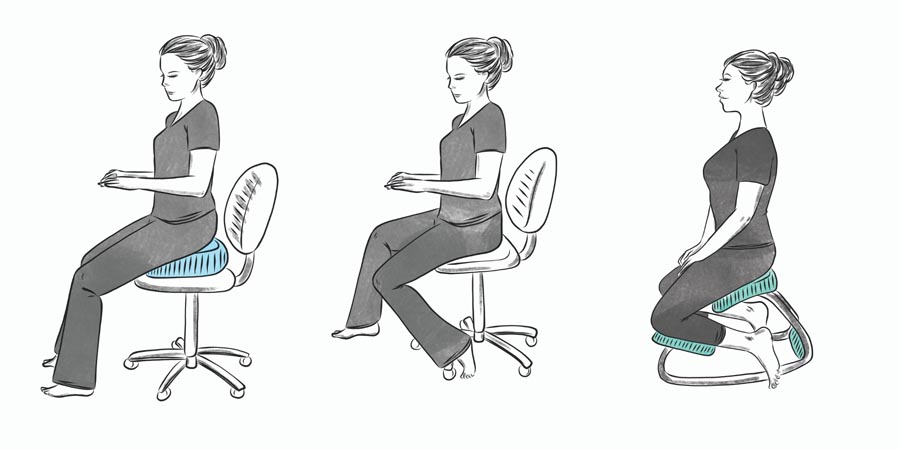
Sit up straight. Keep your spine neutral. Your back should have a slight curve. Use a lumbar support cushion. Feet should be flat on the floor. Avoid slouching. This posture distributes weight evenly.
The Forward Lean Advantage
Sometimes leaning forward helps. Try a slight forward tilt. Use a desk to support yourself. This can decompress the spine. It opens up space. It reduces nerve compression. This position offers relief.
Essential Seating Tools
Find the right seat. Support your lower back. A cushion helps. Adjust your posture often.
Finding relief from sciatica pain often means adapting your environment. Your chair plays a big role. Simple tools can make a huge difference. These items support your body correctly. They reduce pressure on your sciatic nerve. Discover helpful seating aids below.Lumbar Support Cushions
This cushion supports your lower back. It fits most chairs. It helps maintain a natural spine curve. This reduces strain. Sit taller. Feel less pain.Wedge Cushions For Pelvic Tilt
A wedge cushion tilts your pelvis forward. This aligns your spine. It eases pressure on the sciatic nerve. It promotes better posture. Sit more comfortably.Knee Pillows For Leg Support
Use knee pillows when lying down. They go between your knees. This keeps your hips aligned. It prevents twisting. It relaxes your lower back. Sleep better.Adjustable Office Chairs
An adjustable chair is key. Look for good lumbar support. It should have adjustable height. Armrests are helpful. Fine-tune your seating position. Find your perfect fit.Movement Is Medicine
Movement is medicine for sciatica. Your body needs to move. Stillness can worsen pain. Gentle activity helps your nerves. It reduces inflammation too. Embrace movement to feel better.
Regular Breaks And Stretching
Sitting too long hurts. Get up often. Walk around your space. Simple stretches offer relief. Try a gentle hamstring stretch. A cat-cow pose helps. Move your spine gently.
Gentle Walking Routines
Walking is very good. Start with short walks. A few minutes will do. Gradually increase your time. Find a flat, even path. Avoid hills at first. Listen to your body’s signals.
Avoiding Prolonged Static Positions
Static positions cause stiffness. Do not sit for hours. Change your sitting posture. Stand up and move. Even small shifts help. Avoid slouching too much. Sit upright when possible.
Credit: www.campusdinamo.es
Home Comfort Strategies
Home comfort strategies make a big difference. Simple changes ease sciatica pain. You can feel better at home. These tips help you relax. They reduce pressure on your sciatic nerve. Discover easy ways to sit. Find better sleep positions. Make your car rides smoother.
Sofa And Armchair Seating
Choose furniture wisely. Support is key. Use cushions for support. Place one behind your lower back. This helps maintain good posture. Avoid sinking too deep. Firm seating is often best. Sit upright when possible. Keep your feet flat on the floor. Or use a footrest. Don’t sit for too long. Get up and move around. Short walks help circulation.
Sleeping Positions For Sciatica Relief
Sleep can be tricky. Find a comfortable position. Try sleeping on your side. Bend your knees slightly. Place a pillow between your knees. This keeps your hips aligned. It reduces nerve pressure. Avoid sleeping on your stomach. This position can strain your back. If you sleep on your back, use a pillow. Place it under your knees. This supports your lower back curve. Keep your mattress firm. A supportive mattress is crucial.
Car Seat Adjustments
Car rides can aggravate sciatica. Adjust your car seat. Use a lumbar support cushion. Place it in your lower back. This provides needed support. Sit with your back straight. Keep your knees level. They should be slightly higher than your hips. Use a small stool or block. Place it under your feet if needed. Take frequent breaks. Get out and walk around. Even short stops help. Avoid slouching in the seat. Good posture is vital.
When To Seek Professional Help
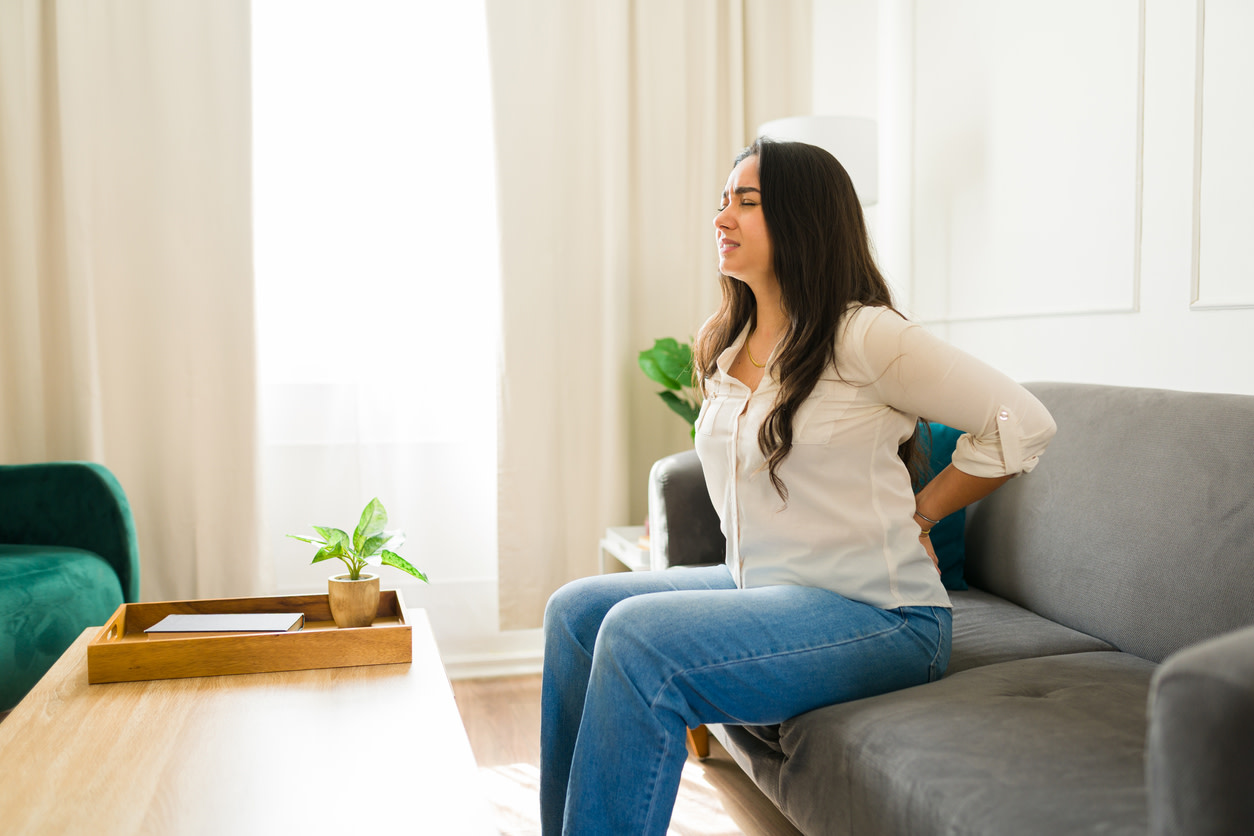
Sometimes, home remedies are not enough. Sciatica pain can be severe. It can disrupt your daily life. Knowing when to ask for expert help is crucial. This ensures you get the right treatment.
When Your Pain Becomes Unbearable
Severe pain needs attention. It might stop you from moving. Normal activities become impossible. Do not ignore this level of pain. Seek medical advice quickly. A doctor can diagnose the cause.
If Sciatica Affects Your Bladder Or Bowels
This is a serious sign. Loss of bladder control is alarming. Bowel control issues are also concerning. These symptoms require immediate medical care. They could indicate nerve compression. Urgent treatment is vital.
When Numbness Or Weakness Spreads
Numbness in your leg is common. Weakness can also happen. If it worsens or spreads, see a doctor. Feeling less sensation is a worry. Muscles feeling weak is concerning. This might mean nerve damage. Professional evaluation is necessary.
If Symptoms Don’t Improve Over Time
You try home care methods. Pain management is a goal. Your sciatica symptoms persist. They do not get better. This is a signal to seek help. Weeks pass with no relief. A professional can offer new options. They can adjust your treatment plan.
Credit: www.hingehealth.com
Frequently Asked Questions
What Is The Best Sitting Position For Sciatica?
Try sitting with your feet flat on the floor. Keep your back straight and supported by a cushion. Avoid crossing your legs.
How Can I Make My Office Chair More Comfortable For Sciatica?
Use a lumbar support pillow for your lower back. Adjust your chair height so your feet are flat. A footrest can also help.
What Chairs Should I Avoid With Sciatica?
Avoid chairs that are too low or too soft. Stiff, upright chairs are usually better. Don’t sit on chairs without back support.
Can I Sit For Long Periods With Sciatica?
It’s best to avoid sitting for too long. Take frequent breaks to stand and walk around. Even short walks help.
What Are Good Sitting Tips For Sciatica Pain Relief?
Use a rolled towel behind your back. Try a wedge cushion to tilt your pelvis forward. Keep your knees slightly lower than your hips.
How Do I Sit On A Sofa With Sciatica?
Choose a sofa with good back support. Sit upright with your feet on the floor. Use pillows for extra comfort.
Should I Use A Special Cushion For Sciatica?
Yes, a supportive cushion can help a lot. Look for one that keeps your spine aligned. It can make sitting much easier.
Conclusion
Sitting with sciatica can be tough. Finding comfort is possible. Try different chair positions. Use cushions for support. Regular movement helps greatly. Listen to your body always. Small changes make a big difference. Your comfort matters most. Take steps for relief today.
You deserve to feel better.