
Common Causes Of Flickering
Flickering recessed lights can be annoying. Many things can cause this problem. Understanding the cause helps you fix it. Let’s explore common culprits.
Loose Bulb
A bulb may not be screwed in tightly. This is a simple fix. Turn off the light first. Gently twist the bulb. Make sure it feels secure. A loose connection causes flickering.
Dimmer Switch Issues
Your dimmer switch might be the problem. Old dimmers do not work well. They may not be compatible. Some dimmers are for incandescent bulbs only. LED bulbs need specific dimmers. Check your dimmer’s compatibility. Consider replacing an old dimmer.
Faulty Wiring
Wiring issues can cause flickering. Connections might be loose. Wires can fray over time. This is a safety concern. Always turn off power at the breaker. Inspect visible wiring carefully. If unsure, call an electrician. Faulty wiring needs professional attention.
Power Surges
Sudden power changes cause surges. A surge can make lights flicker. This often happens during storms. It can also occur with appliance use. A surge protector helps. It shields your lights from damage. Consider whole-house surge protection.

Credit: www.youtube.com
Troubleshooting Steps
Flickering recessed lights can be annoying. Try checking the bulb first. Ensure it is screwed in tightly. A loose bulb often causes this issue.
Flickering recessed lights can be annoying. Don’t worry. We can fix this. Follow these simple steps. You can identify the problem. Then you can solve it.Check Bulb Seating
Is the bulb loose? Gently push it in. Make sure it is snug. A loose bulb causes flickering. This is a common issue. It is easy to fix.Test With A New Bulb
Old bulbs fail. They can flicker. Try a new bulb. Use a known good bulb. Does the flickering stop? If yes, the old bulb is bad. Replace it.Inspect Dimmer Switch
Dimmer switches control light. They can malfunction. Is your switch old? Is it compatible? Some bulbs don’t work with dimmers. Check dimmer settings. Adjust the brightness. A faulty dimmer causes problems.Examine Wiring Connections
Loose wires cause issues. This can be dangerous. Turn off the power first. Check all wire connections. Are they secure? Are they tight? If you see damage, call an electrician. Safety is important.Fixing Dimmer Switch Problems
Dimmer switches control light brightness. Sometimes, they cause lights to flicker. This section helps you fix dimmer switch issues. These problems are common. Don’t worry. We will guide you through it.
Compatibility Check
Your dimmer might not work. It may not match your bulbs. Check the dimmer’s label. Look for LED or CFL compatibility. Old dimmers do not work. They don’t work with new bulbs. Ensure your dimmer is compatible. This is a crucial first step.
Resetting The Dimmer
Some dimmers have a reset function. This can clear minor glitches. Turn off the power at the breaker. Wait for a minute. Turn the power back on. Test the lights again. A simple reset can solve flickering. Try this before replacing it.
Replacing The Dimmer
If resetting fails, replace the dimmer. Turn off power at the breaker. This is very important. Remove the old dimmer switch. Wire in the new dimmer. Follow the manufacturer’s instructions. Install a compatible dimmer. New dimmers often fix the problem. This is a common solution.

Credit: www.youtube.com
Addressing Wiring Concerns
Wiring issues often cause flickering lights. These problems hide inside your walls. Safety comes first. Always turn off power. Never work with live wires.
Loose Connections
Loose wires create bad contact. This causes lights to flicker. Check the wire nuts. Make sure they are tight. Gently tug on each wire. A secure connection is key. Loose wires are a fire risk.
Damaged Wires
Wires can get damaged. Look for nicks or cuts. Frayed insulation is a sign. Rodents can chew wires. Old wiring degrades over time. Damaged wires need replacement. This is a job for an electrician.
Circuit Breaker Check
Your circuit breaker protects circuits. A tripped breaker means overload. Sometimes breakers loosen. This can cause flickering. Find your electrical panel. Check if any breaker is off. Flip it fully off, then on. If it trips again, call an expert.
When To Call A Professional
Sometimes, DIY fixes are not enough. Flickering lights can signal deeper problems. Knowing when to step back is crucial. Calling a professional ensures safety. It also guarantees a lasting solution. Don’t risk your home’s electrical system. Trust the experts for complex issues.
Complex Electrical Issues
Simple fixes might not work. Your flickering lights could be serious. There may be loose wiring. The circuit breaker might be faulty. Perhaps the dimmer switch is incompatible. These problems need special knowledge. A professional electrician can diagnose them. They understand intricate electrical systems. They have the right tools. They find the root cause. This prevents future problems.
Safety Precautions
Electricity is dangerous. Working with it requires caution. Incorrect repairs can cause fires. They can also cause electric shocks. Always turn off power first. Use a voltage tester. Wear safety glasses. If unsure, stop immediately. A professional electrician prioritizes safety. They follow strict safety protocols. This protects your family and home. Their expertise minimizes risks.
Seeking Expert Help
You tried basic troubleshooting. The flickering persists. You feel uncomfortable with the wiring. This is a clear sign. Call a qualified electrician. They have the experience needed. They can identify hidden dangers. They perform safe and effective repairs. They ensure your lights work properly. They provide peace of mind. Let them handle the complex electrical work.
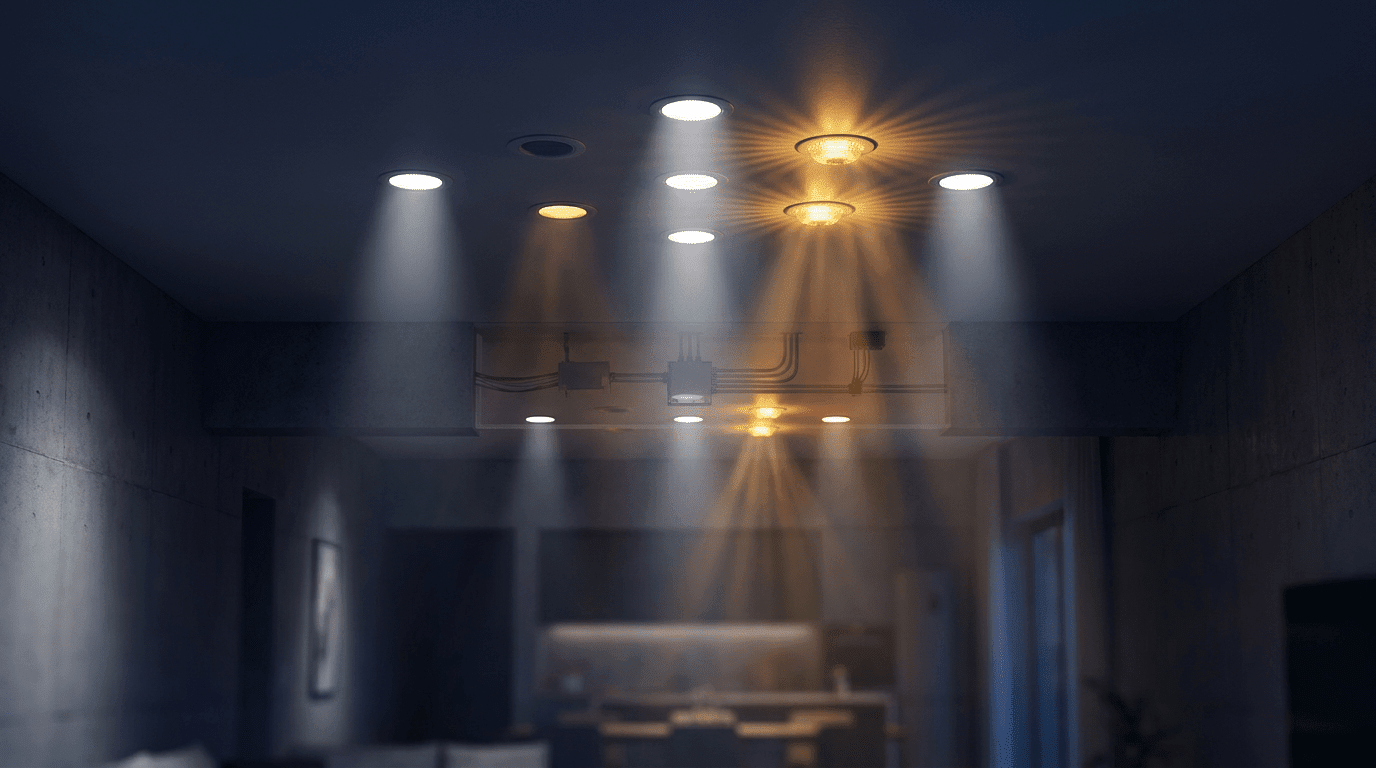
Credit: amicolight.com
Conclusion
Your flickering lights are fixable. Simple steps can restore calm. Check your bulbs first. Loose connections cause problems. Dimmer switches might be faulty. Consider a new dimmer. Always turn off power. Safety is very important. Enjoy your steady, bright lights.
You can do this.